 Back
Regulation of Gene Expression, Cloning, and the Genetic Basis of Cancer
Study Guide - Smart Notes
 Tailored notes based on your materials, expanded with key definitions, examples, and context.
Control of Gene Expression
Gene Expression and Regulation in Prokaryotes
Gene expression is the process by which genetic information flows from genes to proteins, resulting in the manifestation of genotype as phenotype. In prokaryotes, gene regulation allows cells to respond to environmental changes by turning genes on or off.
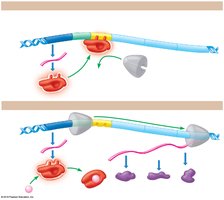
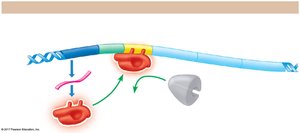
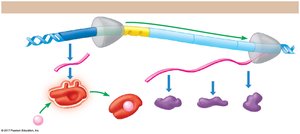
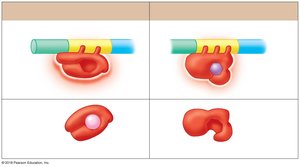
Operons: Groups of related genes controlled together by regulatory proteins. The lac operon is inducible, activated in the presence of lactose, while the trp operon is repressible, turned off when tryptophan is present.
Regulatory Proteins: Bind to DNA control sequences, such as promoters and operators, to regulate transcription.
Example: In the absence of lactose, the lac operon is off due to an active repressor; when lactose is present, it inactivates the repressor, allowing transcription of lactose-utilization genes.
Gene Expression in Eukaryotes: Chromosome Structure and Epigenetics
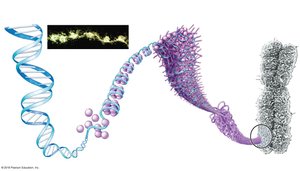
Eukaryotic cells regulate gene expression through chromatin structure and chemical modifications.
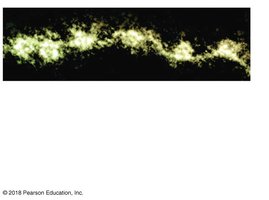
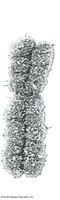
Chromatin Packing: DNA is wound around histone proteins, forming nucleosomes. Tight packing blocks access to transcription machinery, reducing gene expression.
Epigenetic Inheritance: Chemical modifications (e.g., methylation) of DNA or histones can be inherited and affect gene expression without altering DNA sequence.
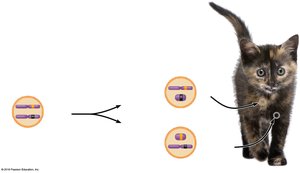
X Chromosome Inactivation: In female mammals, one X chromosome is randomly inactivated in each cell, leading to mosaic expression (e.g., tortoiseshell coat in cats).

Transcriptional Regulation in Eukaryotes
Eukaryotic gene expression is controlled by complex assemblies of regulatory proteins.
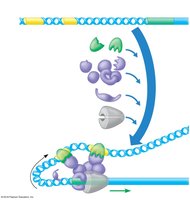
Transcription Factors: Proteins that promote the binding of RNA polymerase to a gene's promoter.
Enhancers: DNA sequences that increase transcription when bound by activator proteins.
DNA Bending: Facilitates interactions between distant regulatory elements and the transcription machinery.
Alternative RNA Splicing
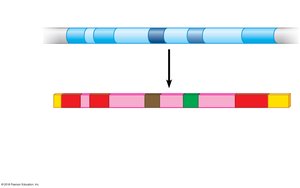
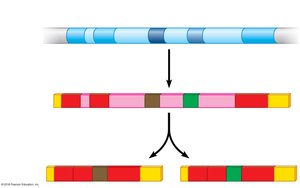
After transcription, eukaryotic RNA can be spliced in multiple ways, generating different mRNAs from the same gene.
Exons and Introns: Exons are coding regions; introns are non-coding and removed during splicing.
Alternative Splicing: Allows a single gene to produce multiple polypeptides, increasing protein diversity.
Example: Humans have fewer than 21,000 genes but can produce over 100,000 polypeptides.
Post-Transcriptional and Translational Regulation
Gene expression can be regulated at later stages, including mRNA stability, translation, and protein activation.
mRNA Lifetime: Determines how much protein is produced.
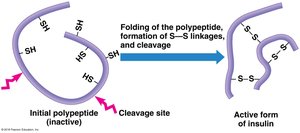
Protein Activation: Some proteins require modification or cleavage to become active (e.g., insulin).
Protein Breakdown: Regulates protein levels in the cell.
Noncoding RNAs and Gene Regulation
Most of the genome does not code for proteins but produces noncoding RNAs that regulate gene expression.
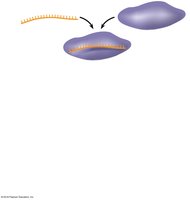
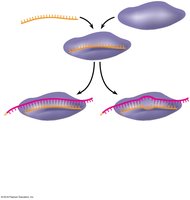
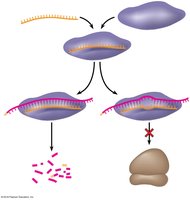
MicroRNAs (miRNAs): Small RNAs that bind to mRNA, leading to degradation or blocking translation.
Outcomes: miRNA binding can result in mRNA degradation or inhibition of translation.
Multiple Mechanisms of Gene Regulation in Eukaryotes
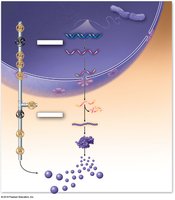
Gene expression is regulated at many levels in both the nucleus and cytoplasm.
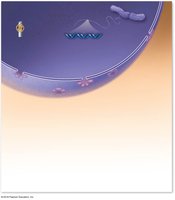
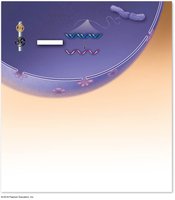
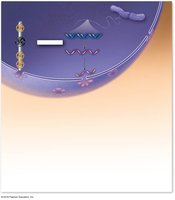
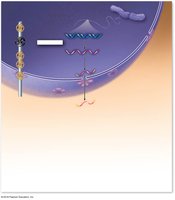
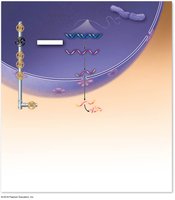
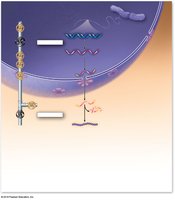
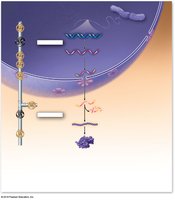
Regulatory Steps: DNA unpacking, transcription, RNA processing, mRNA transport, mRNA breakdown, translation, protein modification, and protein breakdown.
Cell Signaling and Development
Cell Signaling and Signal Transduction Pathways
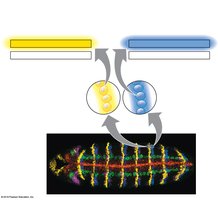
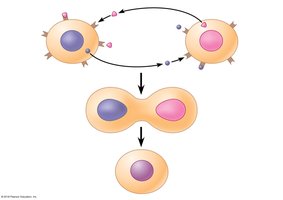
Cell-to-cell signaling coordinates activities via proteins or molecules that transmit messages from signaling cells to target cells.
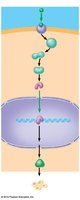
Signal Transduction Pathway: Series of molecular changes converting a surface signal to a specific cellular response.
Example: Binding of a signaling molecule to a receptor triggers a cascade leading to gene expression changes.
Homeotic Genes and Animal Development
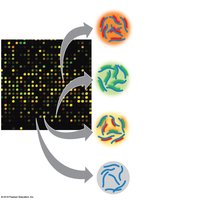
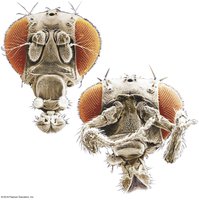
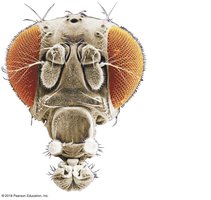
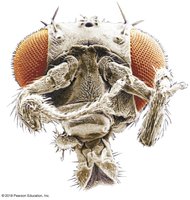
Homeotic genes are master control genes that regulate groups of other genes, determining the anatomy of body parts.
Example: Mutations in homeotic genes can result in abnormal development, such as extra legs in flies.
Cloning of Plants and Animals
Plant Cloning and Genetic Potential
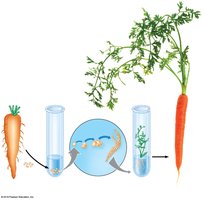
Plant cloning demonstrates that differentiated cells retain their genetic potential.
Totipotency: Ability of a cell to produce every kind of specialized cell in an organism.
Regeneration: Regrowth of lost body parts, showing that differentiation is based on gene expression control.
Animal Cloning via Nuclear Transplantation
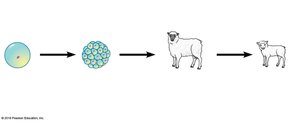
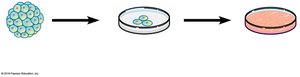
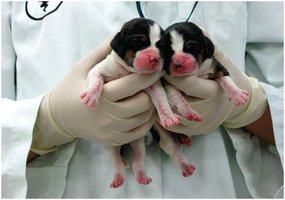
Animal cloning involves transferring DNA from a donor cell into a nucleus-free host egg, producing a clone of the donor.
Reproductive Cloning: Implantation of a blastocyst into a surrogate mother results in a new individual.
Therapeutic Cloning: Produces embryonic stem cells for medical purposes.
The Genetic Basis of Cancer
Cancer and Mutations in Cell Cycle Genes
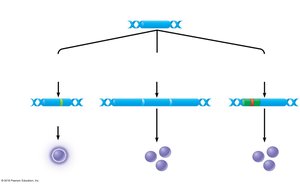
Cancer results from mutations in genes that control cell division.
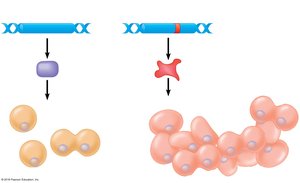
Proto-oncogenes: Normal genes that help control cell division; mutations convert them to oncogenes, causing excessive division.
Tumor-Suppressor Genes: Mutations that inactivate these genes can also lead to cancer.
Development of Cancer: Multiple Genetic Changes
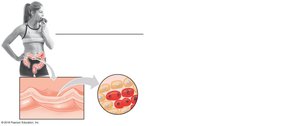
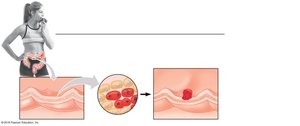
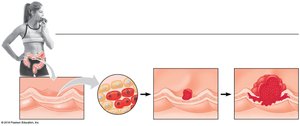
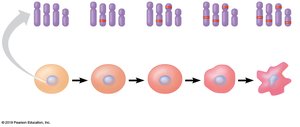
Cancer develops gradually through a series of genetic changes, as illustrated by colon cancer progression.
Stages: Activation of oncogenes, inactivation of tumor-suppressor genes, formation of benign and malignant tumors.
Signal Transduction Pathways and Cancer
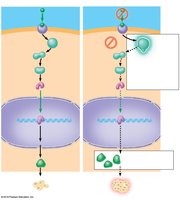
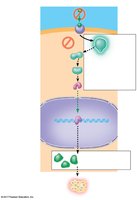
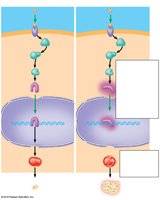
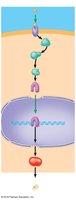
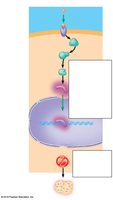
Faulty proteins in signal transduction pathways can disrupt normal cell cycle regulation.
Oncogenes: May produce hyperactive relay proteins, leading to uncontrolled cell division.
Faulty Tumor-Suppressor Genes: Nonfunctional proteins fail to inhibit cell division.
Reducing Cancer Risk
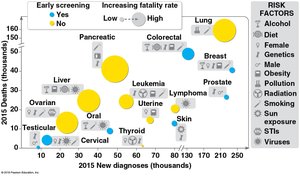
Most cancers arise from mutations caused by environmental factors called carcinogens.
Risk Reduction: Avoiding carcinogens and making healthy lifestyle choices can decrease cancer risk.
Screenable Cancers: Early detection improves outcomes for certain cancers.
Summary Table: Key Mechanisms of Gene Regulation
Mechanism | Description | Example |
|---|---|---|
Operon Regulation | Genes grouped and controlled together | lac operon in E. coli |
Chromatin Packing | DNA accessibility affects transcription | X chromosome inactivation |
Transcription Factors | Proteins promote RNA polymerase binding | Enhancers in eukaryotes |
Alternative Splicing | Multiple mRNAs from one gene | Human protein diversity |
miRNA Regulation | Small RNAs block or degrade mRNA | Gene silencing |
Signal Transduction | Cell surface signals trigger gene expression | Growth factor pathways |
Cloning | Production of genetically identical organisms | Plant and animal cloning |
Cancer Genes | Mutations in cell cycle genes | Oncogenes, tumor-suppressor genes |
Key Equations and Concepts
Central Dogma:
Gene Regulation:
Additional info:
Epigenetic changes such as histone methylation can silence or activate genes without altering DNA sequence.
Therapeutic cloning aims to produce stem cells for regenerative medicine, while reproductive cloning produces whole organisms.
Multiple mutations are required for cancer development, explaining its gradual progression.
