 Back
Regulation of Gene Expression: Mechanisms and Concepts
Study Guide - Smart Notes
 Tailored notes based on your materials, expanded with key definitions, examples, and context.
Regulation of Gene Expression
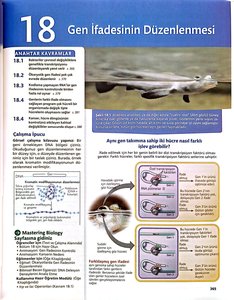
Introduction to Gene Expression Regulation
Gene expression regulation is a fundamental process that allows cells to control which genes are transcribed and translated, enabling cellular differentiation and adaptation to environmental changes. This process is essential for both prokaryotic and eukaryotic organisms, ensuring that the correct proteins are produced at the right time and in appropriate amounts.
Gene Expression: The process by which information from a gene is used to synthesize a functional gene product, typically a protein.
Regulation: Mechanisms that control the timing, location, and amount of gene expression.
Importance: Allows cells to respond to environmental signals, differentiate, and maintain homeostasis.
Example: Different cell types in a multicellular organism express distinct sets of genes, leading to specialized functions.
Regulation in Prokaryotes
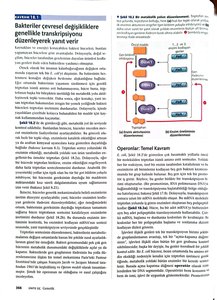
Bacterial Response to Environmental Changes
Bacteria often regulate gene expression at the transcriptional level in response to environmental changes. This allows them to conserve energy and resources by producing proteins only when needed.
Transcriptional Regulation: Control of gene expression occurs primarily during transcription.
Operons: Clusters of genes under the control of a single promoter, allowing coordinated regulation.
Example: The lac operon in Escherichia coli is activated in the presence of lactose.
Operon Concept
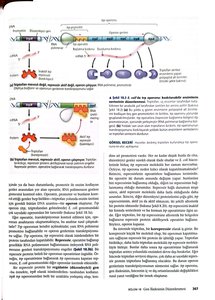
The operon model describes how groups of genes are regulated together. An operon consists of a promoter, operator, and structural genes.
Promoter: DNA sequence where RNA polymerase binds to initiate transcription.
Operator: Regulatory sequence where repressors or activators bind.
Structural Genes: Genes encoding proteins with related functions.
Types of Negative Gene Regulation
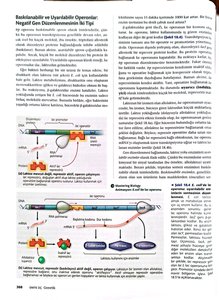
Negative regulation involves repressible and inducible operons, which use repressors to inhibit transcription.
Repressible Operon: Usually active; can be turned off by a repressor (e.g., trp operon).
Inducible Operon: Usually inactive; can be turned on by an inducer (e.g., lac operon).
Positive Gene Regulation
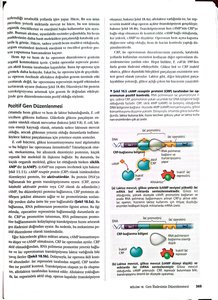
Positive regulation involves activators that enhance transcription. For example, the catabolite activator protein (CAP) increases transcription of the lac operon when glucose is scarce.
Activator Proteins: Bind to DNA and increase transcription.
Example: CAP binds to the promoter in the presence of cAMP, enhancing lac operon expression.
Regulation in Eukaryotes
Multiple Levels of Regulation
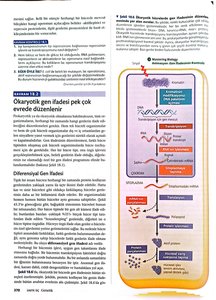
Eukaryotic gene expression is regulated at many stages, including chromatin modification, transcription, RNA processing, translation, and post-translational modification.
Chromatin Structure: DNA packaging affects accessibility for transcription.
Transcriptional Control: Regulatory proteins and enhancers influence transcription initiation.
Post-transcriptional Control: Includes RNA splicing, editing, and transport.
Translational and Post-translational Control: Regulation of protein synthesis and modification.
Chromatin Modification
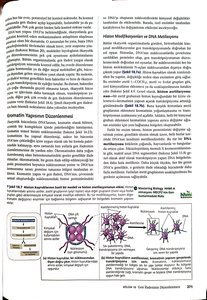
Chromatin structure is modified by histone proteins and DNA methylation, affecting gene accessibility and expression.
Histone Modification: Addition or removal of chemical groups alters chromatin structure.
DNA Methylation: Addition of methyl groups to DNA, often silencing gene expression.
Epigenetic Inheritance
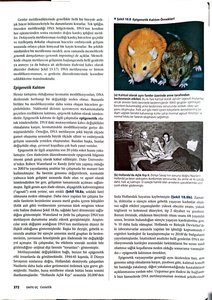
Epigenetic changes, such as DNA methylation and histone modification, can be inherited and affect gene expression without altering DNA sequence.
Epigenetic Inheritance: Transmission of gene expression patterns through cell division.
Example: Mice with different coat colors due to epigenetic modifications.
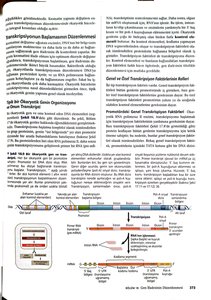
Transcription Initiation Regulation
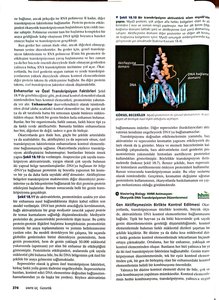
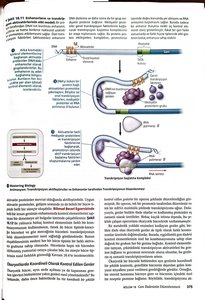
Transcription initiation in eukaryotes is controlled by general and specific transcription factors, which bind to promoters and enhancers.
General Transcription Factors: Required for transcription of all genes.
Specific Transcription Factors: Regulate expression of particular genes.
Enhancers: DNA sequences that increase transcription when bound by activators.
Coordinated Control of Gene Expression
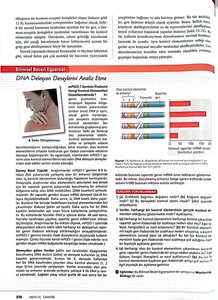
Genes with related functions can be coordinately regulated by shared regulatory elements, allowing simultaneous expression in response to signals.
Coordinated Regulation: Multiple genes controlled by the same regulatory proteins.
Example: Genes involved in a metabolic pathway are activated together.
Post-transcriptional Regulation
Gene expression can be regulated after transcription through mechanisms such as alternative splicing, mRNA stability, and RNA interference.
Alternative Splicing: Different mRNA variants produced from the same gene.
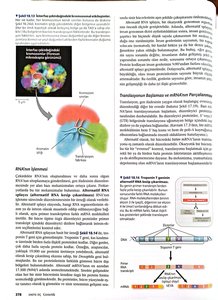
RNA Interference (RNAi): Small RNAs (miRNA, siRNA) can silence gene expression by degrading mRNA or blocking translation.
Regulation by Non-coding RNAs
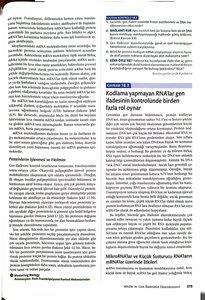
Non-coding RNAs, such as microRNAs (miRNAs) and small interfering RNAs (siRNAs), play crucial roles in gene expression regulation.
miRNA: Binds to complementary mRNA sequences, leading to degradation or inhibition of translation.
siRNA: Similar function, often involved in defense against viruses.
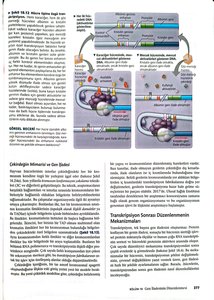
Chromatin Remodeling and Transcription Regulation
Chromatin remodeling complexes and activator proteins can alter chromatin structure, making genes accessible for transcription.
Chromatin Remodeling: ATP-dependent complexes reposition nucleosomes.
Activator Proteins: Recruit remodeling complexes and transcription machinery.
Cell Differentiation and Developmental Gene Regulation
Gene expression programs guide cell differentiation, allowing multicellular organisms to develop specialized cell types.
Cell Differentiation: Process by which cells become specialized.
Genetic Program: Sequential activation and repression of genes during development.
Signaling Molecules and Inductive Signals
Cell signaling molecules and inductive signals play a role in regulating gene expression during development and in response to environmental cues.
Signaling Molecules: Hormones, growth factors, and other signals influence gene expression.
Inductive Signals: Trigger changes in gene expression in target cells.
Summary Table: Levels of Gene Expression Regulation
Level | Mechanism | Example |
|---|---|---|
Chromatin Modification | Histone acetylation, DNA methylation | Gene silencing |
Transcriptional Control | Promoters, enhancers, transcription factors | Cell type-specific expression |
Post-transcriptional Control | Alternative splicing, mRNA stability | Protein diversity |
Translational Control | Regulation of ribosome binding | Protein synthesis rate |
Post-translational Control | Protein modification, degradation | Protein activity regulation |
Key Equations and Concepts
Central Dogma:
Operon Regulation:
Additional info: Some explanations and context were inferred to ensure completeness and clarity for General Biology students.
