 Back
BackRegulation of Gene Expression: Prokaryotic and Eukaryotic Mechanisms
Study Guide - Smart Notes
 Tailored notes based on your materials, expanded with key definitions, examples, and context.
Regulation of Gene Expression
Overview
Gene expression is tightly regulated in both prokaryotic and eukaryotic cells to ensure that proteins are produced only when needed. This regulation is essential for cellular efficiency, adaptation, and differentiation. In prokaryotes, gene regulation often involves operons, while eukaryotes utilize multiple levels of control, including chromatin structure, transcription, and post-transcriptional mechanisms.
Prokaryotic Gene Regulation
Feedback Inhibition and Gene Regulation
Prokaryotes regulate gene expression to conserve resources and respond to environmental changes. Two main strategies are used: feedback inhibition and regulation of gene expression at the transcriptional level.
Feedback inhibition: The end product of a metabolic pathway inhibits an early enzyme in the pathway, providing a rapid, short-term response to changes in product concentration.
Gene regulation: The end product can also inhibit the expression of genes encoding pathway enzymes, providing a longer-term solution.
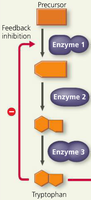
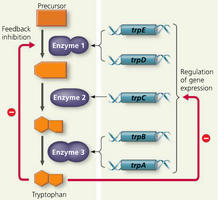
The Operon Model
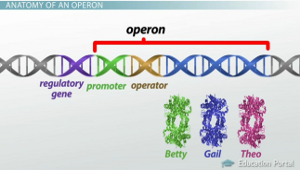
An operon is a cluster of functionally related genes under the control of a single promoter and operator, allowing coordinated regulation. Operons are common in prokaryotes and enable efficient gene expression in response to environmental signals.
Promoter: DNA sequence where RNA polymerase binds to initiate transcription.
Operator: DNA segment acting as an on/off switch, where regulatory proteins (repressors) bind.
Structural genes: Genes encoding proteins involved in a common pathway.
The trp Operon (Repressible Operon)
The trp operon encodes enzymes for tryptophan biosynthesis. It is a repressible operon, usually active but can be turned off when tryptophan is abundant.
Composed of five genes (trpE, trpD, trpC, trpB, trpA) transcribed as a single mRNA.
Regulated by a repressor protein that is inactive unless bound by tryptophan (the corepressor).
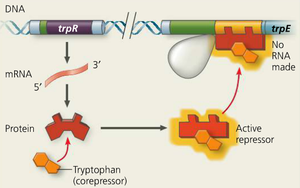
When tryptophan is present, it binds to the repressor, activating it to bind the operator and block transcription.
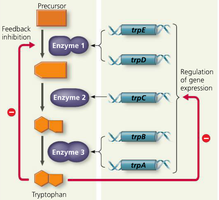
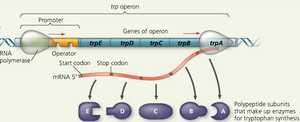
Mechanism of Repression in the trp Operon
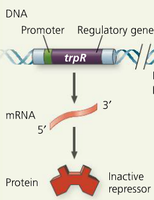
Inactive repressor: Produced by the trpR gene, cannot bind the operator alone.
Active repressor: Formed when tryptophan binds the repressor, enabling it to attach to the operator and block RNA polymerase.
The lac Operon (Inducible Operon)
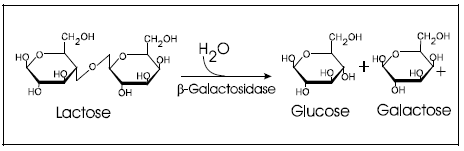
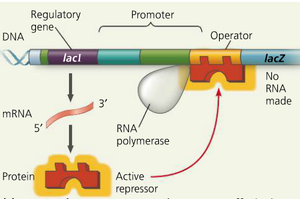
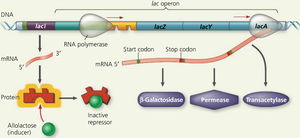
The lac operon controls the breakdown of lactose. It is an inducible operon, usually off but can be turned on in the presence of lactose.
Contains genes for β-galactosidase, permease, and transacetylase.
Regulated by a repressor protein that is active by default, binding the operator and blocking transcription.
Lactose (specifically allolactose) acts as an inducer, binding the repressor and inactivating it, allowing transcription.
Comparison of Repressible and Inducible Operons
Repressible operons (e.g., trp): Usually on; turned off by a corepressor (end product).
Inducible operons (e.g., lac): Usually off; turned on by an inducer (substrate).
Positive Gene Regulation in the lac Operon
In addition to negative control by the repressor, the lac operon is subject to positive regulation by the cAMP-CRP complex, which enhances transcription when glucose is scarce.
Low glucose increases cAMP, which binds to CRP (cAMP receptor protein).
CRP-cAMP complex binds near the promoter, increasing RNA polymerase affinity and transcription rate.
Regulation of Gene Expression in Eukaryotes
Differential Gene Expression
In multicellular eukaryotes, different cell types express different sets of genes, despite having the same DNA. This process, called differential gene expression, is essential for cell specialization and development.
Only a subset of genes is expressed in each cell type.
Gene expression is regulated at multiple levels: chromatin structure, transcription, RNA processing, translation, and post-translation.
Regulation of Chromatin Structure
Chromatin modifications influence gene accessibility and transcriptional activity.
Histone acetylation: Addition of acetyl groups to histone tails loosens chromatin, increasing transcription.
Histone methylation: Addition of methyl groups condenses chromatin, reducing transcription.
DNA methylation: Addition of methyl groups to cytosine bases silences genes and is involved in genomic imprinting and cell differentiation.
Epigenetic inheritance: Chromatin modifications can be inherited without changes to the DNA sequence.
Regulation of Transcription
Transcription in eukaryotes is regulated by control elements and transcription factors.
Control elements: Noncoding DNA sequences that serve as binding sites for transcription factors.
General transcription factors: Required for the transcription of all protein-coding genes; result in low levels of transcription.
Specific transcription factors: Bind to enhancers (distal control elements) and can greatly increase or decrease transcription rates.
Enhancers: DNA elements located far from the promoter that can increase transcription when bound by activators.
Post-Transcriptional Regulation
Gene expression can be regulated after transcription through several mechanisms:
Alternative RNA splicing: Allows a single gene to code for multiple proteins by varying exon inclusion.
mRNA degradation: The stability of mRNA affects how long it is available for translation.
Translational control: Regulatory proteins can block translation by binding to the mRNA's untranslated regions (UTRs).
Post-translational modifications: Proteins can be activated, inactivated, or degraded after translation (e.g., ubiquitin-mediated degradation).
Noncoding RNAs in Gene Regulation
Types and Functions
Many noncoding RNAs (ncRNAs) play crucial roles in regulating gene expression at the transcriptional and post-transcriptional levels.
microRNAs (miRNAs): Small, endogenous RNAs (~22 nucleotides) that bind complementary mRNA sequences, leading to mRNA degradation or inhibition of translation. Nearly half of human genes are regulated by miRNAs.
Small interfering RNAs (siRNAs): Often exogenous, used in research and therapeutics to silence specific genes via RNA interference (RNAi).
Gene Expression and Cancer
Genetic Changes Leading to Cancer
Cancer results from mutations that disrupt normal gene regulation, leading to uncontrolled cell growth. Two main classes of genes are involved:
Proto-oncogenes: Normal genes that promote cell growth and division. Mutations can convert them into oncogenes, causing excessive activity.
Tumor suppressor genes: Genes that inhibit cell division or promote apoptosis. Loss-of-function mutations can remove these restraints, contributing to cancer.
Mechanisms converting proto-oncogenes to oncogenes include gene amplification, point mutations, and chromosomal translocations. Both alleles of a tumor suppressor gene must be inactivated for cancer to develop, while a single mutated proto-oncogene allele can drive oncogenesis.
Summary Table: Comparison of trp and lac Operons
Feature | trp Operon | lac Operon |
|---|---|---|
Type | Repressible | Inducible |
Default State | On | Off |
Regulatory Molecule | Corepressor (tryptophan) | Inducer (allolactose) |
Pathway Type | Anabolic (biosynthetic) | Catabolic (degradative) |
Regulation | Negative (repressor) | Negative (repressor) and positive (CRP-cAMP) |
