 Back
BackRenal Physiology: Nephron Function, Osmoregulation, and Kidney Disorders
Study Guide - Smart Notes
 Tailored notes based on your materials, expanded with key definitions, examples, and context.
Distal Convoluted Tubule (DCT)
Structure and Function
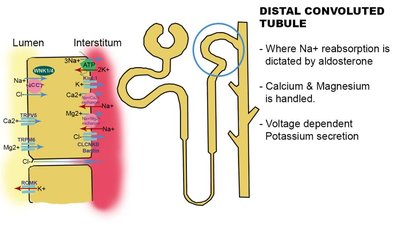
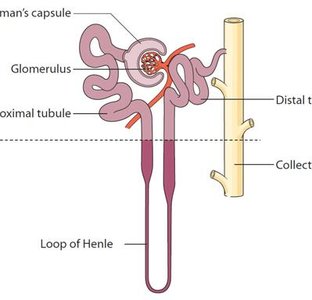
The distal convoluted tubule is a segment of the nephron located after the loop of Henle. It plays a crucial role in the regulation of electrolyte balance and blood pressure by selectively reabsorbing sodium and handling calcium and magnesium ions.
Selective sodium reabsorption is regulated by the hormone aldosterone.
Calcium and magnesium reabsorption occurs here, influenced by parathyroid hormone.
Potassium secretion is voltage-dependent and helps maintain electrolyte balance.
Example: When aldosterone levels rise, more sodium is reabsorbed in the DCT, increasing blood volume and pressure.
Collecting Duct Function
Role in Water Reabsorption
The collecting duct receives filtrate from multiple nephrons and is essential for the final regulation of water reabsorption and urine concentration. Its permeability to water is controlled by hormones, especially antidiuretic hormone (ADH).
Water permeability is increased by ADH, allowing more water to be reabsorbed into the bloodstream.
Final urine concentration is determined here, depending on the body's hydration status.
Antidiuretic Hormone (ADH)
Synthesis, Storage, and Release
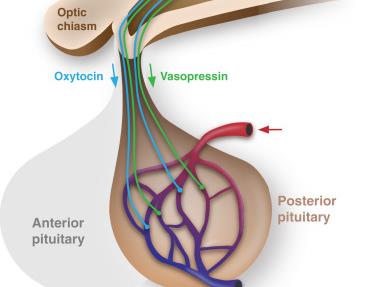
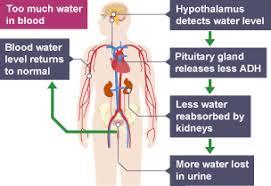
ADH (antidiuretic hormone, also called vasopressin) is produced in the hypothalamus and stored in the posterior pituitary gland. It is released into the bloodstream when the body needs to conserve water, such as during dehydration.
Produced by: Hypothalamus
Stored and released by: Posterior pituitary gland
Stimulus for release: Increased plasma osmolality or decreased blood volume
ADH Action on the Collecting Duct
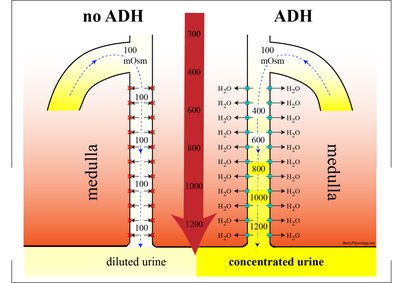
ADH binds to receptors on the cells of the collecting duct, triggering the insertion of aquaporin water channels into the cell membrane. This increases water permeability, allowing more water to be reabsorbed from the filtrate back into the blood.
Mechanism: ADH → receptor binding → aquaporin insertion → increased water reabsorption
Result: More concentrated urine and conservation of body water
ADH in Osmoregulation
Osmoregulation is the process of maintaining water and solute balance in the blood. ADH plays a central role in this process:
Low blood water (high osmolality) → more ADH released → more water reabsorbed → concentrated urine
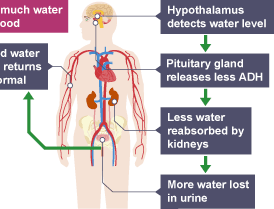
High blood water (low osmolality) → less ADH released → less water reabsorbed → dilute urine
Kidney Failure
Definition and Consequences
Kidney failure occurs when the kidneys lose their ability to filter waste and excess fluid from the blood, leading to toxin and fluid accumulation in the body. Severe cases require medical intervention such as dialysis or kidney transplantation.
Symptoms: Edema (swelling), tiredness, shortness of breath, blood in urine, infrequent urination, itchy skin, muscle cramps
Treatments: Lifestyle changes, medications, dialysis, kidney transplant
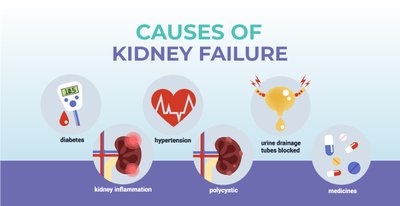
Causes of Kidney Failure
High blood pressure (hypertension)
Diabetes
Glomerulonephritis (inflammation of the glomerulus)
Genetic kidney conditions
Long-term kidney infections
Oedema (Edema)
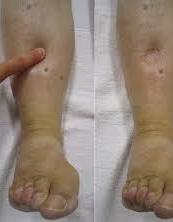
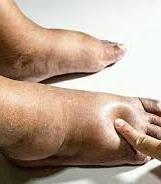
Oedema is swelling caused by excess fluid trapped in body tissues, often seen in the legs, feet, and ankles. It is a common symptom of kidney failure due to the kidneys' inability to remove excess fluid.
Treatments for Kidney Failure
Lifestyle changes (diet, exercise, reduced salt intake)
Medications to control blood pressure and cholesterol
Medications to slow kidney damage
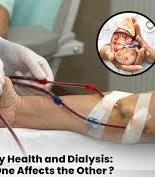
Dialysis to filter blood
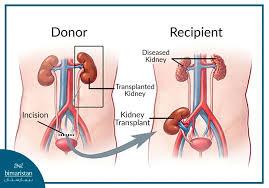
Kidney transplant
Kidney Stones
Formation and Composition
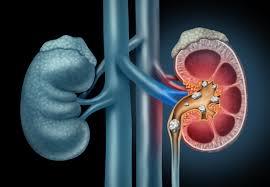
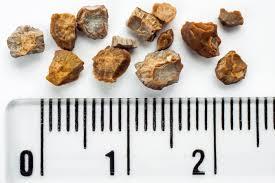
Kidney stones are hard deposits formed from chemicals in urine, such as calcium or uric acid. They develop when these substances crystallize inside the kidney.
Causes of Kidney Stones
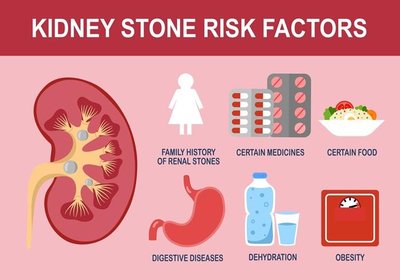
Insufficient fluid intake
High levels of certain chemicals in urine
Urinary tract infections
Diet high in salt or protein
Family history of kidney stones
Symptoms of Kidney Stones
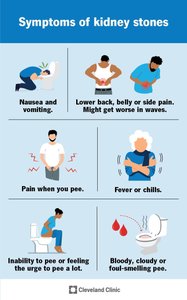
Severe side or back pain (due to ureter blockage)
Pain spreading to the groin (stone moving through urinary tract)
Blood in urine (stone scratching urinary tract lining)
Nausea or vomiting (from severe pain)
Fever or chills (possible infection)
Treatments for Kidney Stones
Pain relief medications (e.g., NSAIDs)
Anti-sickness medications
Increased fluid intake
Alpha-blocker medications to help pass stones
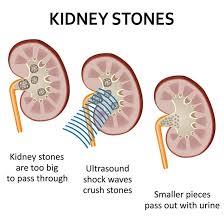
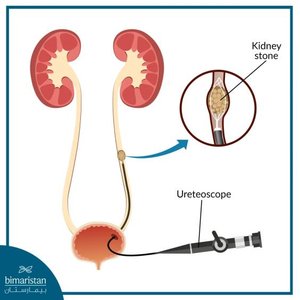
Surgical procedures for large stones
Lithotripsy (ultrasound shock waves to break up stones)
Condition | Main Cause | Key Symptoms | Main Treatments |
|---|---|---|---|
Kidney Failure | Hypertension, diabetes, infections, genetics | Edema, fatigue, shortness of breath, blood in urine | Diet, medication, dialysis, transplant |
Kidney Stones | Dehydration, diet, infections, genetics | Pain, blood in urine, nausea, fever | Fluids, pain relief, lithotripsy, surgery |
