 Back
Reproduction and Development in Animals
Study Guide - Smart Notes
 Tailored notes based on your materials, expanded with key definitions, examples, and context.
Chapter 36: Reproduction and Development
Overview: Diversity of Animal Reproduction
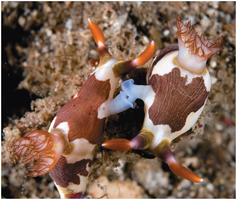
Animal reproduction is essential for the continuation of species and takes many forms, ranging from asexual to sexual mechanisms. Some animals, such as sea slugs, can produce both sperm and eggs, acting as both mother and father to the next generation.
Concept 36.1: Asexual and Sexual Reproduction in Animals
Sexual vs. Asexual Reproduction
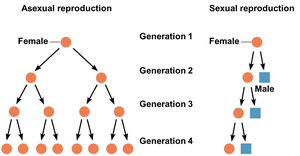
Sexual reproduction involves the fusion of male (sperm) and female (egg) gametes to form a zygote, resulting in genetically diverse offspring. Asexual reproduction produces offspring without gamete fusion, resulting in genetically identical individuals.
Mechanisms of Asexual Reproduction
Budding: New individuals arise from outgrowths of existing ones, common in invertebrates.
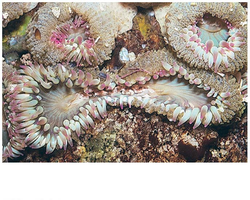
Fission: Parent organism splits into two individuals of similar size.
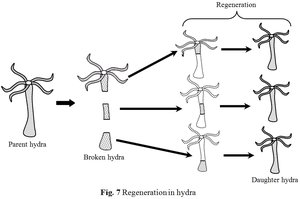
Fragmentation and Regeneration: Body breaks into pieces, each capable of developing into a new adult, provided regeneration occurs.
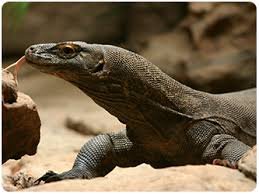
Parthenogenesis: Development of a new individual from an unfertilized egg, observed in some invertebrates and vertebrates.
Evolutionary Significance of Sexual Reproduction
Sexual reproduction has a “twofold cost” because sexual females produce half as many daughters as asexual females.
Despite this, sexual reproduction is prevalent among eukaryotes due to the genetic variation it generates, which enhances adaptability in changing environments.
Reproductive Cycles and Environmental Influence
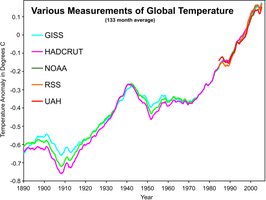
Most animals have reproductive cycles synchronized with environmental cues, such as changing seasons. Hormones regulate these cycles, and climate change can disrupt reproductive success by altering these cues.

Behavioral Adaptations in Asexual Species
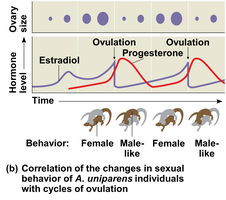
Some asexual species, like certain whiptail lizards, display courtship and mating behaviors despite lacking males. Females alternate roles, mimicking male behavior, which is correlated with hormonal cycles.
Variation in Patterns of Sexual Reproduction
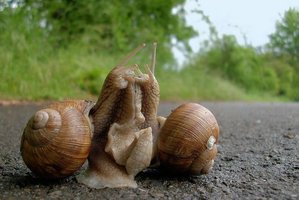
Hermaphroditism: Individuals possess both male and female reproductive systems, allowing any two to mate or self-fertilize.
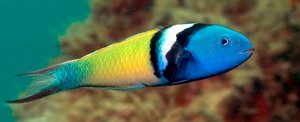
Sex Reversal: Some species, such as the bluehead wrasse, can change sex in response to social cues.
Fertilization: External vs. Internal
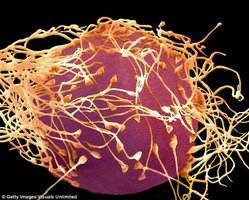
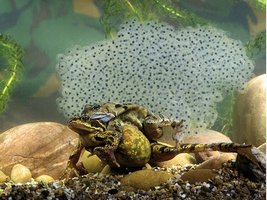
Fertilization is the union of sperm and egg. In external fertilization, eggs are fertilized outside the female’s body, typically in aquatic environments. Internal fertilization occurs within the female reproductive tract and requires specialized anatomy and behaviors.
Adaptations for Offspring Survival
Internal fertilization is often associated with fewer gametes but higher survival rates due to parental care and protective mechanisms. Some animals lay eggs with protective shells, while others retain embryos internally.
Concept 36.2: Reproductive Organs and Gamete Production
Gonads and Reproductive Systems
Most animals have gonads (testes or ovaries) that produce gametes. Some species lack true gonads, with gametes forming from undifferentiated tissues. More complex systems include accessory structures for gamete transport, nourishment, and protection.
Variation in Animal Reproductive Anatomy
Insects often have complex reproductive systems, with females storing sperm in a spermatheca.
Nonmammalian vertebrates may have a cloaca, a common opening for digestive, excretory, and reproductive tracts.
Human Male Reproductive Anatomy
External organs: Scrotum and penis.
Internal organs: Testes (produce sperm and hormones), accessory glands (seminal vesicles, prostate, bulbourethral glands), and ducts (epididymis, vas deferens, urethra).
Testes: Sperm produced in seminiferous tubules; scrotum maintains optimal temperature.
Accessory glands: Secrete fluids that nourish and transport sperm.
Human Female Reproductive Anatomy
External structures: Clitoris, labia majora, labia minora.
Internal organs: Ovaries (produce eggs), oviducts (transport eggs), uterus (houses embryo/fetus), vagina (birth canal and copulatory organ).
Mammary glands: Produce milk for offspring, not part of the reproductive system but essential for mammalian reproduction.
Concept 36.3: Hormonal Regulation of Reproduction
Hormonal Control in Mammals
Reproduction is regulated by hormones from the hypothalamus, anterior pituitary, and gonads. Gonadotropin-releasing hormone (GnRH) stimulates the release of FSH and LH, which regulate gamete production and sex hormone secretion.
Male Hormonal Regulation
FSH: Stimulates Sertoli cells to nourish sperm.
LH: Stimulates Leydig cells to produce testosterone.
Negative feedback: Testosterone and inhibin regulate hormone levels to maintain homeostasis.
Female Hormonal Regulation
Ovarian cycle: Cyclic events in the ovaries, including oocyte maturation and ovulation.
Menstrual (uterine) cycle: Changes in the uterus to prepare for embryo implantation; if fertilization does not occur, menstruation follows.
Menopause: Cessation of ovulation and menstruation after about 500 cycles.
Estrous cycles: In most mammals, the endometrium is reabsorbed, and sexual receptivity is limited to estrus (“heat”).
Concept 36.4: Embryonic Development
Fertilization
Fertilization involves the fusion of sperm and egg, activation of the egg, and prevention of polyspermy. Sperm entry triggers a calcium release, activating the egg and initiating embryonic development.
Cleavage and Gastrulation
Cleavage: Rapid cell divisions without growth, forming a blastula (hollow ball of cells).
Gastrulation: Cells move to form germ layers (ectoderm, mesoderm, endoderm), establishing the basic body plan.
Organogenesis
Germ layers differentiate into organs and tissues. Each layer contributes to specific structures in the adult animal.
Human Development and Birth
Conception: Fertilization occurs in the oviduct.
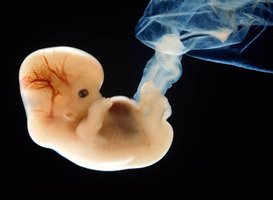
Gestation: Embryo develops in the uterus; placenta forms for nutrient and waste exchange.
Trimesters: First trimester is organogenesis; second and third trimesters involve growth and maturation.
Birth: Initiated by hormonal signals and uterine contractions.
Lactation: Milk production and release are hormonally regulated, providing nutrition for the newborn.
Contraception
Contraceptive methods prevent pregnancy by inhibiting gamete production or release, blocking fertilization, or preventing embryo implantation. Methods include hormonal contraception, physical barriers, surgical procedures, and behavioral strategies.
