 Back
BackL 9.1: Seedless Vascular Plants: Structure, Diversity, and Life Cycles
Study Guide - Smart Notes
 Tailored notes based on your materials, expanded with key definitions, examples, and context.
L 9.1
Seedless Vascular Plants
Introduction to Seedless Vascular Plants
Seedless vascular plants, also known as tracheophytes without seeds, represent a major evolutionary step in the plant kingdom. These plants possess vascular tissues (xylem and phloem) for the transport of water, minerals, and nutrients, but they do not produce seeds. Instead, they reproduce via spores. The main groups include Lycophyta (club mosses, spike mosses, quillworts), Psilotophyta (whisk ferns), and Polypodiophyta (ferns and their relatives).
Lycophyta: Club Mosses, Spike Mosses, and Quillworts
General Characteristics of Lycophyta
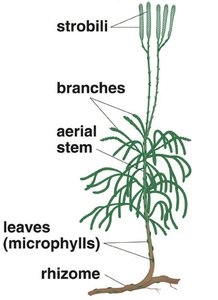
Vascular tissue: True leaves (microphylls) with a single unbranched vein, and roots.
Strobili: Cone-like structures composed of sporophylls bearing sporangia.
Reproduction: Spore-producing, with alternation of generations.
Club Mosses (e.g., Lycopodium)
Habitat: Common in temperate and tropical forests.
Structure: Horizontal rhizomes, upright stems, microphylls, and terminal strobili.
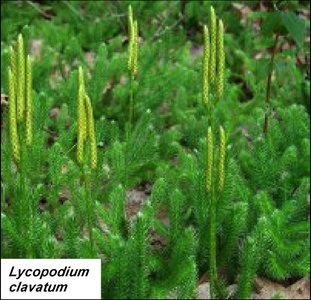
Example: Lycopodium clavatum is a widespread species.
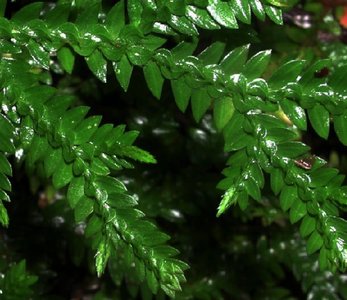
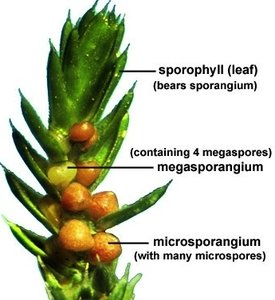
Spike Mosses (Selaginella)
Heterospory: Produces both megaspores and microspores.
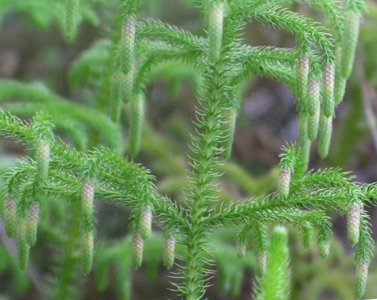
Structure: Small, scale-like leaves and strobili.
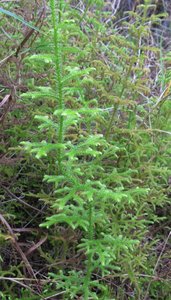
Example: Selaginella diffusa is a representative species.
Quillworts (Isoetes)
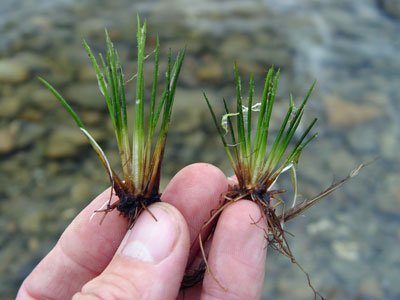
Habitat: Aquatic or semi-aquatic environments.
Structure: Grass-like leaves arising from a corm-like base.
Reproduction: Heterosporous, producing both megaspores and microspores.
Psilotophyta: Whisk Ferns
General Characteristics
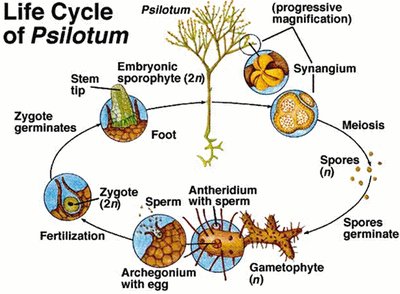
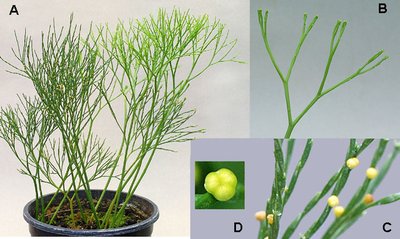
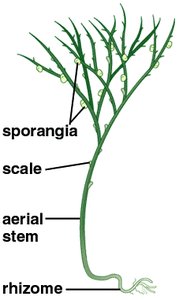
Lack true leaves and roots: Possess dichotomously branched stems with scale-like appendages.
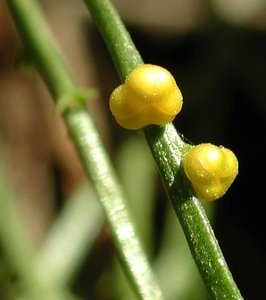
Sporangia: Fused into synangia on the stems.
Representative genus: Psilotum.
Polypodiophyta: Ferns and Relatives
Classification and Diversity
Class Polypodiopsida: Includes true ferns and several subclasses (Equisetidae, Marattiidae, Ophioglossidae, Polypodiidae).
Major Orders: Hymenophyllales, Gleicheniales, Schizaeales, Salviniales, Cyatheales, Osmundales, Polypodiales.
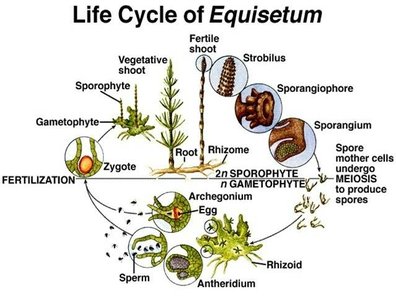
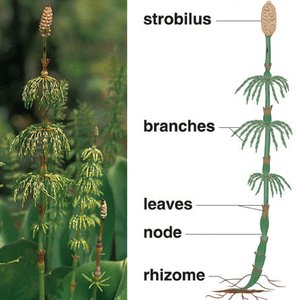
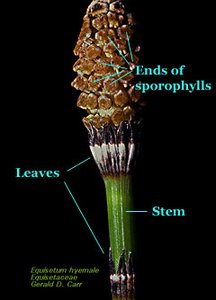
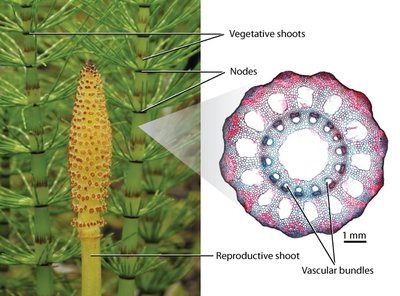
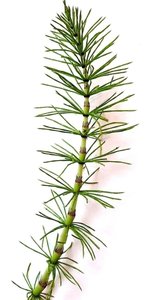
Equisetidae: Horsetails (Family Equisetaceae)
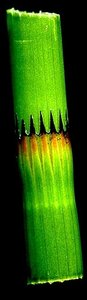
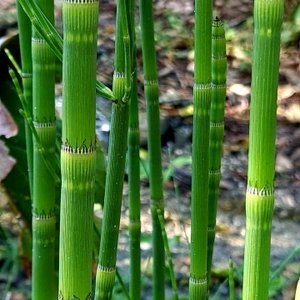
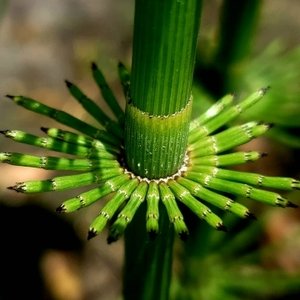
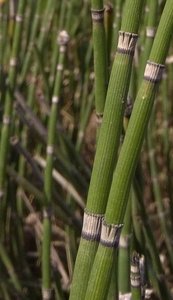
Structure: Ribbed, jointed stems with nodes and internodes; microphyllous leaves in whorls.
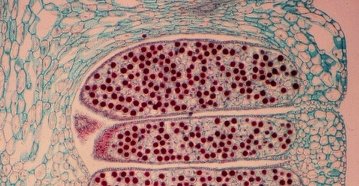
Reproduction: Sporangia produced in strobili at stem tips.
Life Cycle: Exhibits alternation of generations.
Ophioglossidae: Adder's Tongue Ferns (Family Ophioglossaceae)
Habitat: Mostly terrestrial, some epiphytic.
Unique features: Produce one frond per year; fleshy leaves; large eusporangia (arise from multiple cells).
Gametophytes: Subterranean and myco-heterotrophic (dependent on fungi).
Cyatheaceae: Tree Ferns
Size: Includes the tallest ferns, up to 20 meters.
Structure: Erect or creeping rhizomes; large, pinnately or bipinnately compound fronds; sori with indusia.
Reproduction: Homosporous, producing bisexual gametophytes.
Osmundaceae: Royal Fern Family
Vascular arrangement: Phloem outside a ring of xylem surrounding the pith.
Leaves: Holodimorphic (separate fertile and sterile fronds) or with distinct fertile/sterile portions.
Fossil record: Richest among extant ferns.
Order Polypodiales: True Ferns
Diversity: Over 80% of modern fern species.
Life cycle: Alternation of generations with multicellular gametophytes and sporophytes.
Sori: Clusters of sporangia on the underside of fronds.
Annulus: Specialized ring of cells on the sporangium for spore dispersal.
Gametophytes: Green, heart-shaped, and surface-growing.
Life Cycle of Ferns (Generalized)
Sporophyte (2n): Dominant, leafy plant produces spores in sporangia.
Spore (n): Germinates to form a gametophyte.
Gametophyte (n): Produces eggs (archegonia) and sperm (antheridia).
Fertilization: Sperm swims to egg, forming a zygote (2n) that grows into a new sporophyte.
Key Terms and Concepts
Microphyll: A small leaf with a single unbranched vein, characteristic of lycophytes.
Strobilus: A cone-like structure bearing sporangia.
Sporangium: A structure where spores are produced.
Homosporous: Producing one type of spore.
Heterosporous: Producing two types of spores: megaspores (female) and microspores (male).
Annulus: A ring of cells on the sporangium that aids in spore dispersal.
Indusium: A flap of tissue covering the sori in some ferns.
Table: Comparison of Major Seedless Vascular Plant Groups
Group | Leaves | Roots | Sporangia | Spore Type | Example |
|---|---|---|---|---|---|
Lycophyta | Microphylls | Present | Strobili | Homo- or Heterosporous | Lycopodium, Selaginella, Isoetes |
Psilotophyta | Absent (scale-like appendages) | Absent | Synangia | Homosporous | Psilotum |
Equisetophyta (Horsetails) | Microphylls (whorled) | Present | Strobili | Homosporous | Equisetum |
Polypodiophyta (Ferns) | Megaphylls (fronds) | Present | Sori | Homosporous (mostly) | Polypodium, Nephrolepis |
Additional info: This guide covers the main groups of seedless vascular plants, their structures, reproductive strategies, and evolutionary significance. Understanding these plants is essential for grasping the transition of plant life from aquatic to terrestrial environments and the development of complex plant organs.
