 Back
BackSexual Reproduction, Mutation, and Inheritance
Study Guide - Smart Notes
 Tailored notes based on your materials, expanded with key definitions, examples, and context.
Reproduction and Cell Division
Overview of Reproduction
Reproduction is the biological process by which new individual organisms are produced. It ensures the continuity of life and can occur asexually or sexually. In asexual reproduction, offspring are genetically identical to the parent, while sexual reproduction involves the combination of genetic material from two parents, increasing genetic diversity.
Interphase: The cell grows, performs normal functions, and replicates its DNA in preparation for division.
Mitosis: The process by which a cell divides to produce two genetically identical daughter cells.
Synthesis of Nucleic Acids
DNA Replication and Transcription
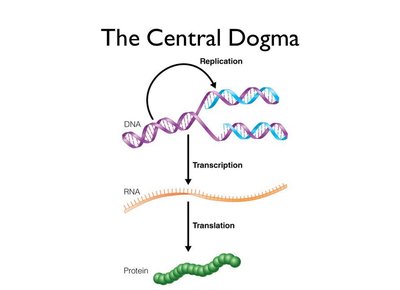
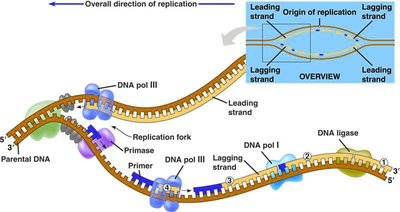
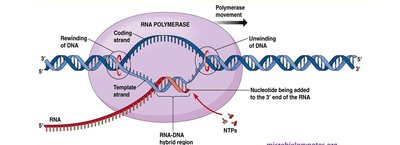
All cells synthesize nucleic acids, which are essential for storing and expressing genetic information. DNA replication ensures that each new cell receives a complete copy of the genome, while transcription produces mRNA transcripts for protein synthesis.
DNA Replication: The process of copying the entire DNA genome before cell division.
Transcription: The synthesis of mRNA from a DNA template, allowing for protein production.
Mutation and Evolution
Nature and Consequences of Mutation
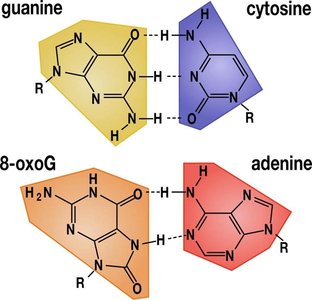
A mutation is a change in the DNA sequence. Mutations can arise from replication errors or unrepaired DNA damage. While most mutations are neutral or harmful, some can provide beneficial traits that enhance survival and reproduction, driving evolution.
Mutation Rate: In humans and E. coli, the mutation rate is about one in a billion base pairs per cell division.
Evolution: The process by which populations change over time due to genetic variation, mutation, and natural selection.
Mutation Rate and Experimental Evolution
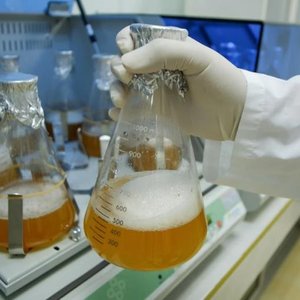
Mutation rates are shaped by evolutionary pressures. Experiments with bacteria show that environmental conditions can influence the mutation rate over generations.
Fresh media and frequent population bottlenecks can select for different mutation rates.
Sexual Reproduction and Meiosis
Sexual Reproduction in Multicellular Organisms
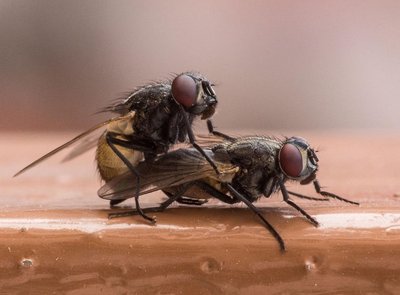
Sexual reproduction involves the fusion of haploid gametes (egg and sperm) to form a diploid zygote. This process increases genetic diversity through recombination and independent assortment during meiosis.
Gametes: Specialized cells (sperm and egg) that carry half the genetic material of the parent.
Meiosis: A special type of cell division that reduces chromosome number by half, producing four genetically unique haploid cells.
Chromosomes and Genetic Inheritance
Each chromosome is a physical molecule carrying genes. Homologous chromosomes pair during meiosis, and crossing over can shuffle alleles, increasing genetic diversity. Genes located close together on the same chromosome tend to be inherited together.
Genotype, Phenotype, and Polygenic Traits
From DNA to Observable Traits
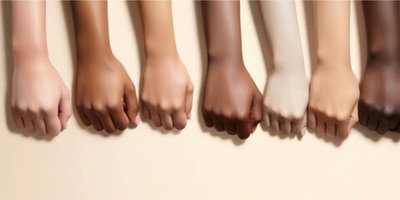
The genotype is the genetic makeup of an organism, while the phenotype is the set of observable traits. Most traits are polygenic, meaning they are influenced by multiple genes and environmental factors.
Polygenic Traits: Traits like skin color and height are influenced by many genes and environmental factors.
Monogenic Traits: Some traits, such as flower color in pea plants, are determined by a single gene.

Molecular Consequences of Mutation
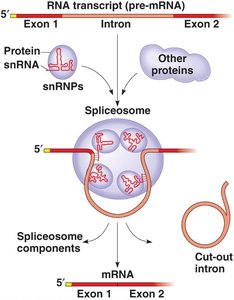
Single nucleotide mutations can have significant effects, such as altering mRNA splicing and causing frameshifts or premature stop codons. These changes can affect protein function and lead to observable phenotypic differences.
Predicting Inheritance
Punnett Squares and Mendelian Genetics
Punnett squares are used to visualize the probabilities of different genotypes and phenotypes in offspring. Mendelian genetics focuses on traits determined by single genes with dominant and recessive alleles.
Sex Determination Systems
Diversity of Sex Determination Mechanisms
Sex determination varies widely among animals. In humans, individuals with XY chromosomes produce small gametes (sperm), while those with XX chromosomes produce large gametes (eggs). Other systems include ZW/ZZ in birds and temperature-dependent sex determination in some reptiles.
Sex Chromosomes: Chromosomes that determine the sex of an individual (e.g., X and Y in humans).
X-Inactivation: In individuals with two X chromosomes, one is often inactivated to balance gene expression.
Mutation Types and Evolutionary Consequences
Types of Mutations
Mutations can involve changes in chromosome number, chromosome structure, or point mutations in DNA sequences. Sexual reproduction increases the frequency of mutations and genetic diversity, which is essential for evolution in changing environments.
Chromosome Number: Changes can result in conditions like Down syndrome (trisomy 21).
Chromosome Structure: Rearrangements can disrupt gene function.
Point Mutations: Single nucleotide changes can alter protein function.
Evolutionary Importance of Sexual Reproduction
Sex and Diversity
Sexual reproduction creates genetic diversity, which is crucial for the survival of populations in changing environments. While many offspring may be less fit than their parents, rare beneficial combinations can lead to evolutionary success.
Speciation: When genetic exchange stops between populations, new species can arise.
Reproductive Skew: Some individuals contribute more to the next generation than others.
Summary Table: Types of Mutations
Type of Mutation | Description | Example |
|---|---|---|
Point Mutation | Change in a single nucleotide | Sickle cell anemia (Glu to Val in hemoglobin) |
Chromosome Number | Gain or loss of entire chromosomes | Down syndrome (trisomy 21) |
Chromosome Structure | Rearrangement, deletion, or duplication of chromosome segments | Cri-du-chat syndrome (deletion on chromosome 5) |
Key Takeaways
Sexual reproduction and mutation are fundamental sources of genetic diversity.
Meiosis and crossing over generate new allele combinations.
Mutations can be neutral, harmful, or beneficial, influencing evolution.
Inheritance patterns can be predicted using Mendelian genetics, but most traits are polygenic.
Sex determination systems are diverse and contribute to evolutionary adaptation.
