 Back
BackLec 29
Study Guide - Smart Notes
 Tailored notes based on your materials, expanded with key definitions, examples, and context.
Sexual Selection
Introduction to Sexual Selection
Sexual selection is a form of natural selection that arises from differences in mating success among individuals. It explains the evolution of traits that improve an individual's chances of attracting mates and reproducing, even if these traits do not necessarily enhance survival.
Sexual selection can lead to pronounced differences between males and females (sexual dimorphism).
It operates through two main mechanisms: intrasexual selection (competition among the same sex, usually males) and intersexual selection (mate choice, usually by females).
Variance in Reproductive Success
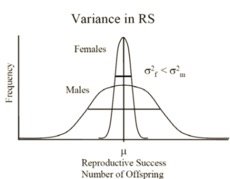
The variance in reproductive success (RS) is often greater in males than in females. This difference is a key driver of sexual selection.
Females typically have lower variance in RS because their reproductive output is limited by the number of eggs they can produce and care for.
Males often have higher variance in RS because their reproductive output is limited by the number of mates they can acquire.
Parental Investment Theory
Parental investment refers to the energy and time parents devote to producing and raising offspring.
Females usually invest more in each offspring (e.g., eggs, gestation, care), making them a limiting resource for males.
Males often compete for access to females, while females are more selective in choosing mates.
Empirical Examples of Sexual Selection
Case Study: Rough-skinned Newt (Taricha granulosa)
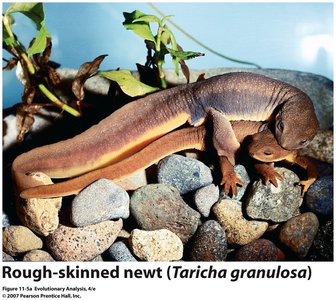
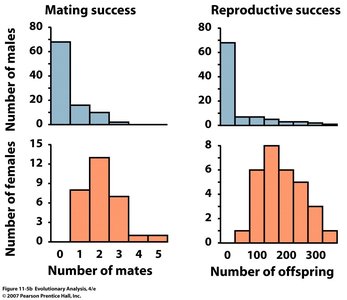
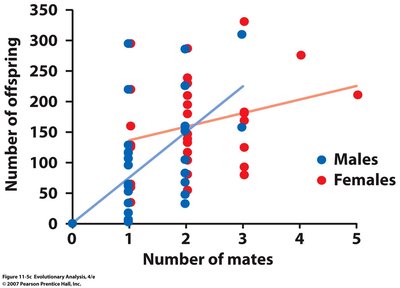
In rough-skinned newts, most males fail to mate, while most females mate and produce offspring. This leads to strong sexual selection on males.
Mating success and reproductive success are highly skewed among males.
Females show less variance in reproductive success.
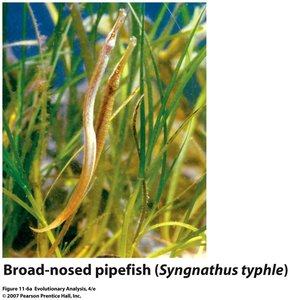
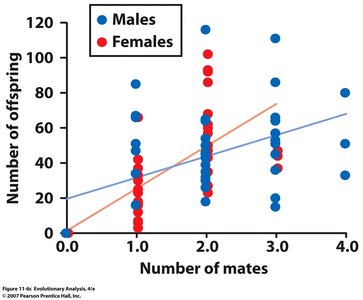
Case Study: Broad-nosed Pipefish (Syngnathus typhle)
In this species, males provide most of the parental care, and females compete for access to males.
Sexual selection can act more strongly on females when males are the limiting sex.
Social Mating Systems and Reproductive Strategies
Types of Mating Systems
Mating systems describe the social structures and behaviors surrounding reproduction in animal groups.
Monogamy: One male mates with one female.
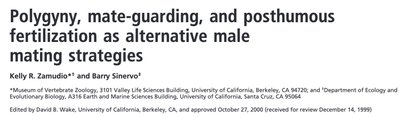
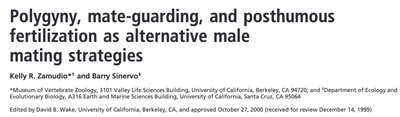
Polygyny: One male mates with multiple females.
Polyandry: One female mates with multiple males.
Promiscuity: Both sexes have multiple mating partners.
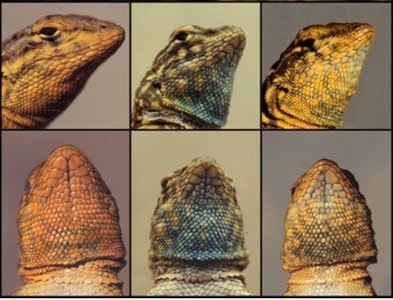
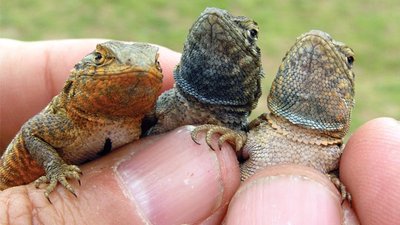
Alternative Male Reproductive Strategies
Males may adopt different strategies to maximize reproductive success, such as:
Dominant males controlling harems and mating with many females.
Mate-guarding males that remain monogamous and protect their mate.
Sneaker males that attempt to mate with females in another male's territory.
Genetic Correlation and Heritability
The evolution of alternative reproductive strategies can be influenced by genetic correlations between sexes and heritability of traits.
Traits that benefit one sex may be inherited by the other, leading to sexual conflict.
Female Choice and Sexual Selection
Female Choice
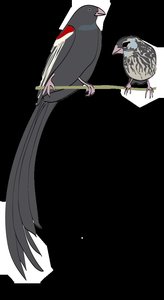
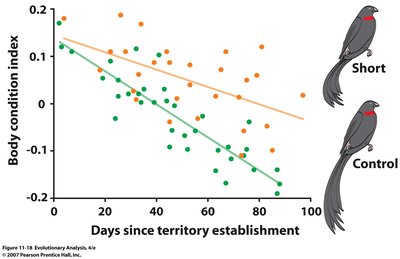
Females often choose mates based on traits that signal genetic quality or resources.
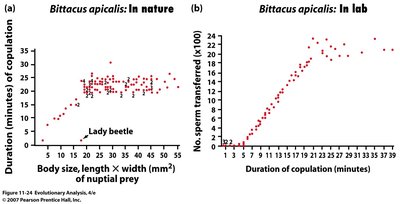
Examples include elaborate plumage, courtship displays, or nuptial gifts.
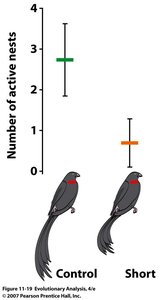
Female choice can drive the evolution of exaggerated male traits.
Runaway Sexual Selection
Runaway sexual selection occurs when female preference for a trait and the trait itself become genetically linked, leading to rapid exaggeration.
Example: Stalk-eyed flies, where females prefer males with longer eye stalks.
Sexual Selection in Females
Female-Female Competition
In some species, females compete for access to breeding territories, social rank, or mates, especially in lek breeding systems.
Competition among females can influence reproductive success and the evolution of female traits.
Summary Table: Key Differences in Sexual Selection
Aspect | Males | Females |
|---|---|---|
Gamete Investment | Many, small, inexpensive (sperm) | Few, large, expensive (eggs) |
Limiting Factor | Access to mates | Resources for offspring |
Variance in RS | High | Low |
Sexual Selection Pressure | Strong | Usually weaker, but can be strong in some systems |
Key Terms
Sexual selection: Selection for traits that increase mating success.
Parental investment: Time and energy devoted to offspring.
Mating system: The pattern of mating between males and females in a population.
Runaway selection: Positive feedback between female preference and male trait.
Lek: An aggregation of males that display to attract females.
Relevant Equations
Variance in reproductive success:
Bateman's Principle: The sex with greater variance in reproductive success will be subject to stronger sexual selection.
