 Back
BackSheep and Goat Management: Breeds, Production, and Health
Study Guide - Smart Notes
 Tailored notes based on your materials, expanded with key definitions, examples, and context.
Introduction to Sheep and Goat Management
Sheep and goats are important livestock species in the United States, valued for their meat, milk, wool, and fiber. Tennessee is a leader in new producer growth, with a focus on meat production, but also supporting wool and dairy industries. Understanding breed characteristics, production systems, and health management is essential for effective small ruminant husbandry.
Types and Purposes of Sheep and Goats
Meat: Breeds selected for muscle and carcass quality.
Milk: Breeds optimized for high milk yield and quality.
Wool/Hair: Breeds producing valuable fiber for textiles.
Dual-Purpose: Breeds suitable for more than one production goal.
Meat Sheep Breeds
General Characteristics
Meat sheep are generally larger, later maturing, and often have black faces. Wool quality is typically marginal, as selection focuses on muscle and growth.
Hampshire
Large frame, black face with no wool below the eyes or knees.
Moderate size ears, wool cap present.
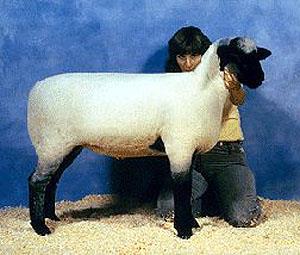
Suffolk
Large breed, no wool on head or legs, black head and legs, large ears, thin legs, Roman nose.
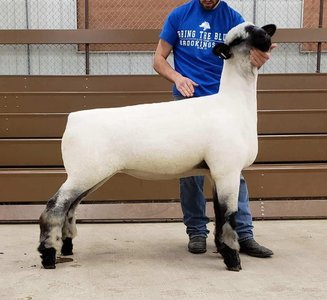
Shropshire (slick shear)
Farm flock favorite, wool cap and wool below eyes, wool on front and rear legs, small ears, mousy colored face and legs, polled.

Southdown (good for kids)
Heavy wool on face, naturally hornless (polled), small ears, compact body.
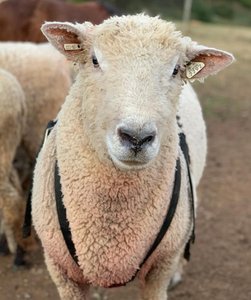
Katahdin ( meat sheep but with hair)
Small to medium frame, polled, hair instead of wool, high-quality carcasses, good mothers, easy to manage (shed naturally).
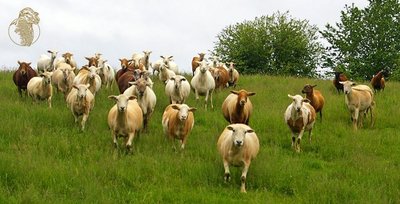
Wool Sheep Breeds (merino, ramb)
General Characteristics
Wool sheep are typically large-framed, white-faced, and produce fine, high-quality wool. White fleece is most valuable commercially due to its dyeing versatility and softness.
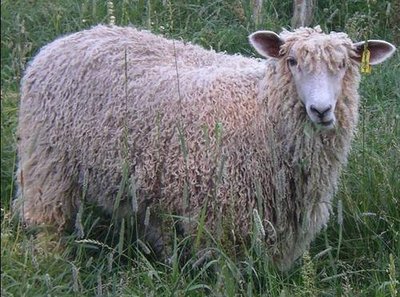
Merino
Large frame, white fleece and face, horned, highest wool quality, many breeds developed from Merino genetics.
More skin folds increase wool surface area.
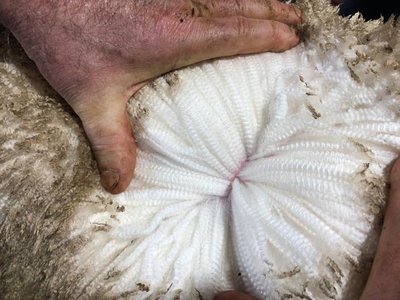
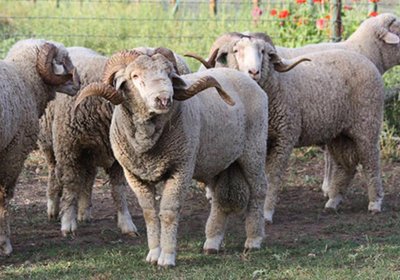
Rambouillet
Moderate to large frame, white fleece and face, horned, extremely high-quality fleece, descendant of Merino genetics.
Be careful of skin folds when shearing.
Dairy Goat Breeds
General Characteristics
Dairy goats are bred for maximum milk production with efficient feed conversion. Selection emphasizes milk yield, butterfat, and protein content.
Nubian
Large breed, long pendulous ears, any color, high milk fat and protein, but lower overall production, can live in hot climates.
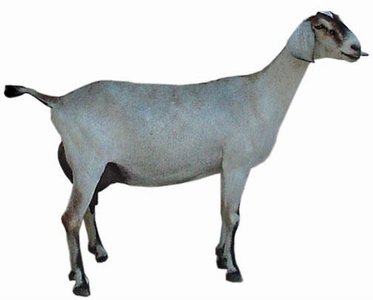
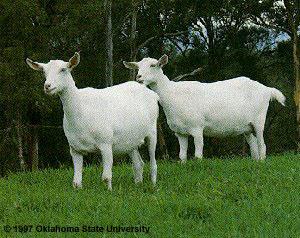
Saanen (Queen)
Originated in Switzerland, largest dairy breed, white or cream color, highest producing breed, known as the "Queen of Dairy Goats".
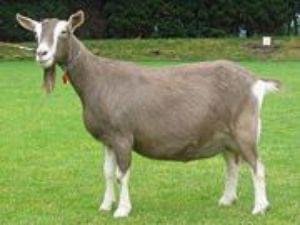
Toggenburg (beard)
Oldest dairy breed, light fawn to dark chocolate coat, two white stripes down the face, low butterfat, excellent udder development.
Meat Goat Breeds
General Characteristics
Any goat breed can be used for meat, but some have been specifically selected for muscle and growth. The main breeds in the US are Boer, Kiko, and Spanish goats.
Boer
Originated in South Africa, large and heavily muscled, white with red head and blaze, smooth horns, large pendulous ears, susceptible to parasites.
Kiko
Developed in New Zealand from feral goats, adaptable, easy conception, multiple births, spiral horns in bucks, small non-pendulous ears.
Also remember LaMancha, Nigerian Dwarf, Spanish type, and alpine for dairy breeds
Fiber Goat Breeds
Angora
Originated in Turkey, produces mohair (US is largest prod of), small frame, white and horned, docile, fleece grows year-round.
Cashmere
Type, not a breed; produces fine, crimpy down (cashmere) grown in autumn and summer, must be separated from other hair.
Handling and Health Management
Handling Sheep and Goats
Sheep do not jump without encouragement; facilities should prevent crowding and jumping.
Work sheep slowly, avoid sudden movements and loud noises.
Secure handling: hand under jaw and behind rump/head.
Internal Parasites
Internal parasites are the number one health problem in sheep, especially Haemonchus contortus (most common death in young sheep in summer)(barber pole worm).
Minority of sheep are majority of problem
Most effective to treat the less resistant sheep
Few approved anthelmintics, increasing resistance, and no new drugs in development.
Integrated parasite management is essential, including rotational grazing and targeted deworming.
FAMACHA System
Regularly checks mucous membranes around the eye for anemia due to blood loss from parasites.
Helps identify and cull susceptible animals, slows resistance development, and targets deworming.
Requires training, good records, and is only useful for H. contortus.
Fecal Panels
McMaster chamber: fecal egg count to assess contamination and deworming efficacy.
Centrifugal (sucrose): comprehensive fecal exams, higher parasite detection. (more comprehensive)
Reproduction in Sheep and Goats
Key Numbers
Puberty: 5-8 months (bucks sooner).
Estrous cycle: 14-19 days (sheep), 18-24 days (goats).
Estrus length: 20-42 hours (sheep), 25-40 hours (goats).
Gestation: 143-152 days (~5 months).
Reproductive Management
Sheep and goats are short-day breeders (seasonally polyestrus), breeding in fall and lambing/kidding in spring.
Limited manipulation, sometimes using hormones/CIDRs.
Males typically introduced to females in August or September.
