 Back
Speciation and Macroevolution: Mechanisms and Case Studies
Study Guide - Smart Notes
 Tailored notes based on your materials, expanded with key definitions, examples, and context.
Speciation and Macroevolution
Introduction to Speciation
Speciation is the evolutionary process by which new biological species arise. It forms a conceptual bridge between microevolution (changes within populations) and macroevolution (large-scale evolutionary changes above the species level). Understanding speciation is fundamental to explaining the diversity of life and the mechanisms that drive evolutionary change.
Galápagos Islands: Iconic Species and Adaptive Radiation
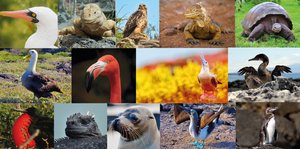
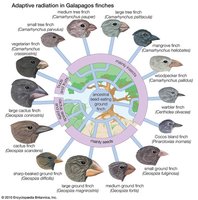
The Galápagos Islands are renowned for their unique species, which played a pivotal role in Darwin's development of evolutionary theory. Adaptive radiation, especially among finches, illustrates how a single ancestral species can diversify into multiple species, each adapted to different ecological niches.
Adaptive Radiation: Rapid diversification of a lineage into multiple species, often in response to new ecological opportunities.
Galápagos Finches: Exhibit varied beak shapes and sizes, each suited to specific food sources.
Iconic Species: Includes tortoises, iguanas, sea lions, and various birds.
Example: Darwin's finches demonstrate how environmental pressures can lead to speciation.
Defining a Species
Biological Species Concept
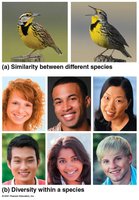
The biological species concept defines a species as a group of populations whose members can interbreed in nature and produce fertile offspring. This concept emphasizes reproductive compatibility and genetic cohesion within species.
Key Criteria: Interbreeding capability and production of fertile offspring.
Reproductive Independence: Populations maintain unique characteristics and are reproductively isolated from other groups.
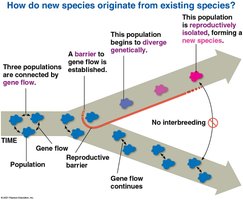
Gene Flow: Genetic exchange between populations holds a species together.
Species Identification Methods
Species can be distinguished based on morphology, physiology, biochemistry, and DNA sequences. However, these criteria may not always align perfectly, leading to challenges in species identification.
Morphological Distinction: Physical differences used to classify species.
Genetic Analysis: DNA sequencing provides precise identification.
Reproductive Isolation: The Key to Speciation
Reproductive Isolating Mechanisms
Reproductive isolation prevents gene flow between populations, enabling speciation. These mechanisms are classified as prezygotic (before fertilization) or postzygotic (after fertilization).
Prezygotic Barriers: Prevent mating or fertilization.
Postzygotic Barriers: Affect hybrid viability or fertility.
Zygote: The cell formed by the union of two gametes.
Types of Prezygotic Isolation
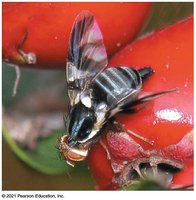
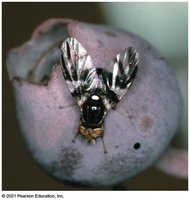
Habitat Isolation: Species occupy different habitats and rarely encounter each other.
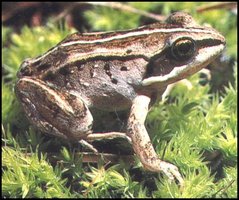
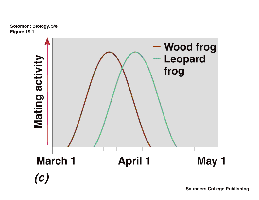
Temporal Isolation: Species breed at different times, seasons, or years.
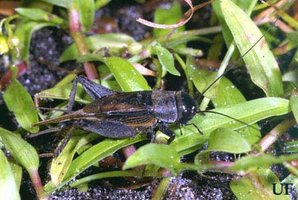
Behavioral Isolation: Unique courtship behaviors prevent mating between species.
Mechanical Isolation: Structural differences in reproductive organs prevent mating.
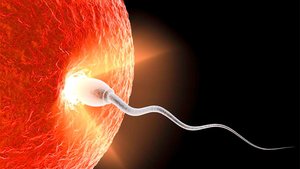
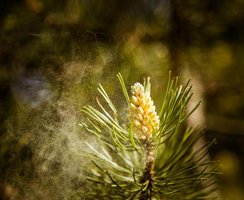
Gametic Isolation: Gametes of different species are incompatible.
Types of Postzygotic Isolation
Reduced Hybrid Viability: Hybrids fail to develop or survive.
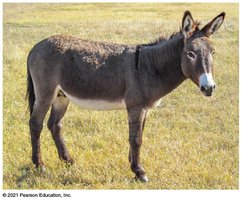
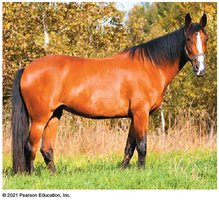
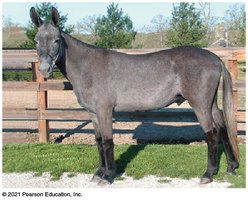
Reduced Hybrid Fertility: Hybrids are sterile (e.g., mule).
Hybrid Breakdown: First-generation hybrids are viable/fertile, but subsequent generations are less fit.

Case Studies in Speciation
Hybridization in Baptisia Species
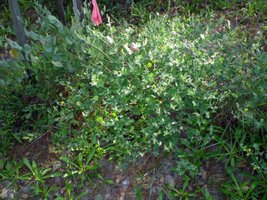
Hybridization between Baptisia arachnifera and Baptisia lecontei demonstrates how morphological and genetic analysis can identify hybrids and assess threats to endangered species. Microscopic examination of vegetative and reproductive organs reveals intermediate traits in hybrids.
Microscopy: Used to compare leaf, fruit, and flower structures.
Hybrid Traits: Hybrids share characteristics with both parent species.
Conservation Implications: Hybridization may threaten genetic integrity of endangered species.
Barriers to Hybridization in Gelsemium Species
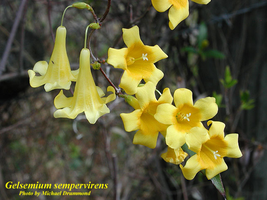
Gelsemium sempervirens and Gelsemium rankinii share pollinators but differ in flowering time and floral fragrance, reducing gene flow and maintaining species boundaries.
Temporal Isolation: Different flowering times prevent hybridization.
Behavioral Isolation: Absence of floral fragrance in one species may influence pollinator behavior.

Mechanisms of Speciation
Allopatric Speciation
Allopatric speciation occurs when populations are geographically separated, leading to genetic divergence through mutation, natural selection, and genetic drift. Physical barriers prevent interbreeding, but biological barriers are intrinsic to the organisms.
Founder Event: Small population colonizes a new area, leading to rapid speciation.
Vicariance: Physical barrier splits a population.
Dispersal: Movement of individuals to new habitats.
Sympatric Speciation
Sympatric speciation occurs within a single geographic area, often due to polyploidy in plants or habitat differentiation and sexual selection in animals.
Polyploidy: Chromosome duplication leads to reproductive isolation.
Autopolyploidy: Chromosomes from a single species.
Allopolyploidy: Chromosomes from two different species.
Habitat Differentiation: Exploitation of new resources or habitats.
Sexual Selection: Preferences for specific traits drive divergence.
Speed of Evolution and Speciation
Patterns of Speciation
Speciation can occur rapidly, followed by periods of stasis, or gradually over time. Transitional links may or may not be evident in the fossil record, depending on the mode of speciation.
Punctuated Equilibrium: Rapid speciation followed by stasis.
Gradualism: Slow, continuous evolutionary change.
Summary Table: Types of Reproductive Isolation
Type | Mechanism | Example |
|---|---|---|
Habitat Isolation | Species occupy different habitats | Rhagoletis flies on apples vs. blueberries |
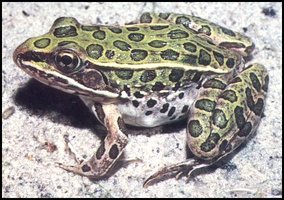
Temporal Isolation | Species breed at different times | Wood frog vs. leopard frog |
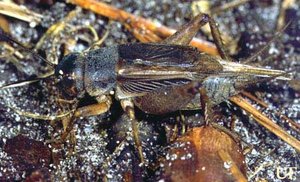
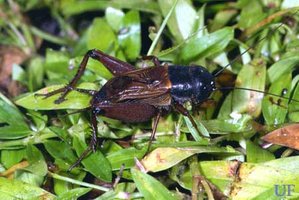
Behavioral Isolation | Unique courtship behaviors | Cricket calling songs |
Mechanical Isolation | Structural differences prevent mating | Enallagma damselflies |
Gametic Isolation | Gametes are incompatible | Coral spawning, wind pollinated plants |
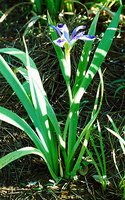
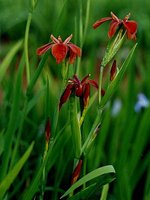
Reduced Hybrid Viability | Hybrids fail to survive | Iris hybrids |
Reduced Hybrid Fertility | Hybrids are sterile | Mule (donkey × horse) |
Hybrid Breakdown | Second generation hybrids are less fit | Cotton hybrids |
Conclusion
Speciation is a fundamental process in biology, explaining the origin and diversity of species. Reproductive isolation, whether prezygotic or postzygotic, is essential for maintaining species boundaries. Case studies and examples from plants and animals illustrate the complexity and variety of speciation mechanisms.
