 Back
BackSpeciation and the Origin of Species: Mechanisms and Patterns
Study Guide - Smart Notes
 Tailored notes based on your materials, expanded with key definitions, examples, and context.
The Origin of Species
Introduction to Speciation
Speciation is the evolutionary process by which one species splits into two or more distinct species. This process is central to evolutionary theory and explains the diversity of life forms observed on Earth.
Species: A group of populations whose members can interbreed in nature and produce viable, fertile offspring.
Speciation: The formation of new and distinct species in the course of evolution.
The Biological Species Concept
Definition and Importance
The biological species concept defines a species as a group of populations whose members have the potential to interbreed and produce viable, fertile offspring. This concept emphasizes reproductive isolation as the key factor maintaining species boundaries.
Reproductive isolation: Biological barriers that prevent two species from producing viable, fertile offspring.
Reproductive Isolation Mechanisms
Prezygotic Barriers
Prezygotic barriers prevent fertilization from occurring between members of different species. These barriers can impede mating attempts, prevent successful mating, or hinder fertilization if mating occurs.
Habitat isolation: Species occupy different habitats and rarely encounter each other, even though not separated by physical barriers.
Temporal isolation: Species breed at different times of the day or in different seasons.
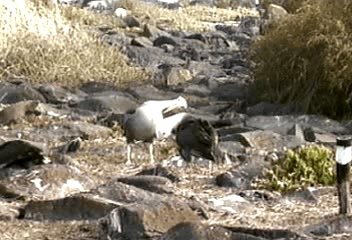
Behavioral isolation: Unique courtship rituals and behaviors prevent mating between species.
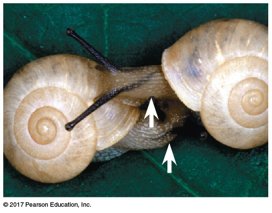
Mechanical isolation: Morphological differences prevent successful mating.
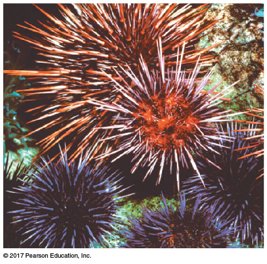
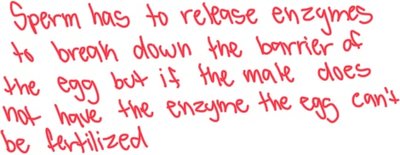
Gametic isolation: Sperm of one species cannot fertilize eggs of another species due to incompatibility.
Examples:
Habitat isolation: Two species of flies that feed and mate on different fruits.
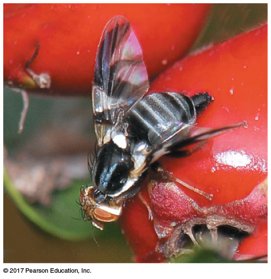
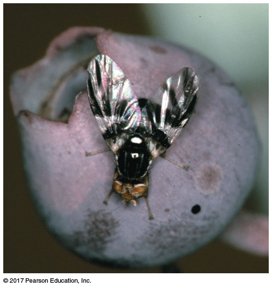
Temporal isolation: Two species of skunks that breed in different seasons.
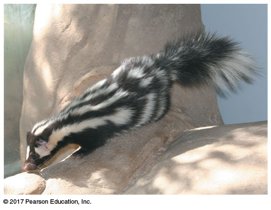
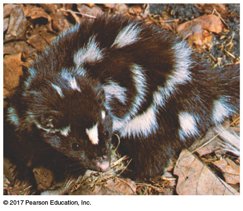
Behavioral isolation: Albatross courtship rituals.
Mechanical isolation: Snails with incompatible shell shapes.
Gametic isolation: Sea urchins with incompatible gametes.
Postzygotic Barriers
Postzygotic barriers occur after fertilization and prevent the hybrid zygote from developing into a viable, fertile adult. These include reduced hybrid viability, reduced hybrid fertility, and hybrid breakdown.
Reduced hybrid viability: Genes of different parent species interact and impair the hybrid’s development or survival.
Reduced hybrid fertility: Hybrids are vigorous but sterile.
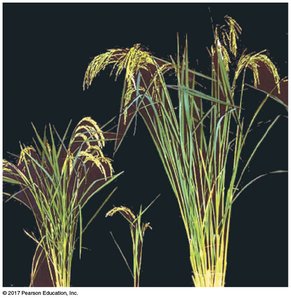
Hybrid breakdown: First-generation hybrids are fertile, but their offspring are sterile.
Examples:
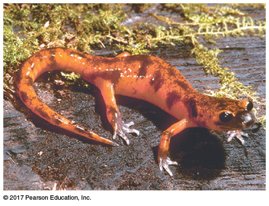
Reduced hybrid viability: Salamander hybrids with impaired survival.
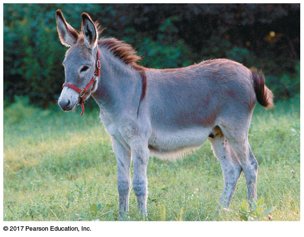
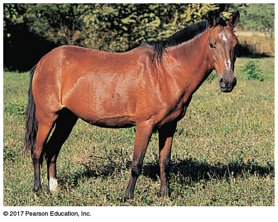
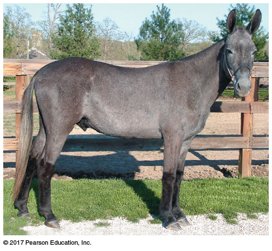
Reduced hybrid fertility: Mule, a hybrid of horse and donkey, is sterile.
Hybrid breakdown: Rice hybrids with reduced fertility in subsequent generations.
Modes of Speciation
Allopatric Speciation
Allopatric speciation occurs when gene flow is interrupted or reduced due to geographic separation of populations. Physical barriers such as mountains, rivers, or land masses can divide populations, leading to divergence and the formation of new species.
Example: Formation of new species of shrimp on either side of the Isthmus of Panama.
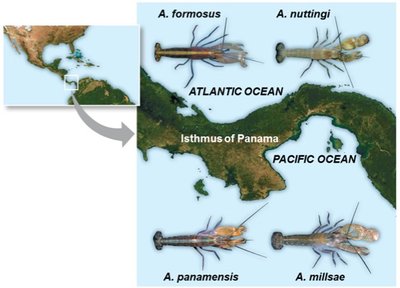
Diagram: Population split by a barrier, leading to two distinct populations.

Sympatric Speciation
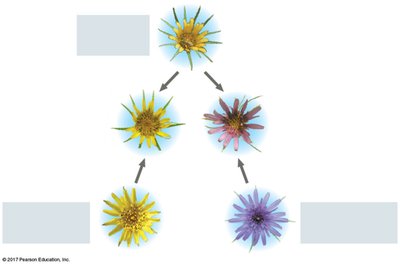
Sympatric speciation occurs within populations that share the same geographic area. It can result from polyploidy, sexual selection, or habitat differentiation, which reduce gene flow within the population.
Polyploidy: Presence of extra sets of chromosomes due to errors in cell division. Common in plants and some vertebrates.
Sexual selection: Individuals with certain inherited traits are more likely to acquire mates.
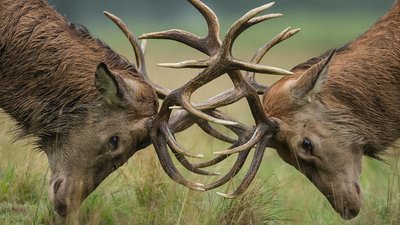
Habitat differentiation: Subpopulations exploit different resources or habitats within the same area.
Polyploidy Examples:
Autopolyploid: Individual with more than two chromosome sets from a single species.
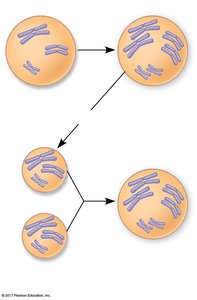
Allopolyploid: Species with multiple chromosome sets from different species.
Patterns and Rates of Speciation
Rapid vs. Gradual Speciation
Speciation can occur rapidly or slowly, depending on genetic and environmental factors. The fossil record, morphological data, and molecular data are used to study the rate of speciation.
Punctuated model: Species appear suddenly and remain unchanged for long periods.
Gradual model: Species change gradually over time.
Diagram: Comparison of punctuated and gradual models of speciation. 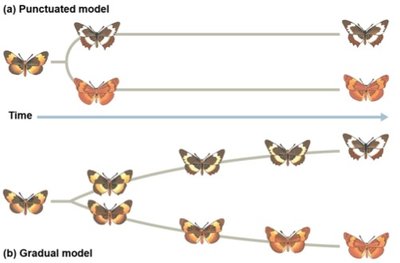

Macroevolution
Definition and Scope
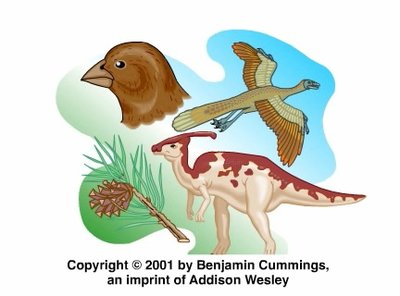
Macroevolution refers to broad patterns of evolutionary change above the species level, resulting from the cumulative effects of many speciation and extinction events.
Example: Evolution of major groups such as birds, dinosaurs, and flowering plants.
Summary Table: Reproductive Isolation Mechanisms
Barrier Type | Mechanism | Example |
|---|---|---|
Prezygotic | Habitat isolation | Flies on different fruits |
Prezygotic | Temporal isolation | Skunks breeding in different seasons |
Prezygotic | Behavioral isolation | Albatross courtship |
Prezygotic | Mechanical isolation | Snails with incompatible shells |
Prezygotic | Gametic isolation | Sea urchins |
Postzygotic | Reduced hybrid viability | Salamander hybrids |
Postzygotic | Reduced hybrid fertility | Mule (horse x donkey) |
Postzygotic | Hybrid breakdown | Rice hybrids |
Additional info: The notes include inferred academic context to clarify mechanisms and examples, ensuring completeness and self-contained explanations for exam preparation.
