 Back
Speciation: Mechanisms and Concepts in General Biology
Study Guide - Smart Notes
 Tailored notes based on your materials, expanded with key definitions, examples, and context.
Speciation
Defining a Species
The concept of a species is central to biology and must account for both the distinctiveness of species that coexist and the connections among populations within a species. Scientists debate whether organisms are truly divided into discrete units called species, as variation exists within and between populations.
Distinctiveness: Sympatric species occur together in an area, are phenotypically different, utilize different parts of the habitat, and behave separately.
Connection: Allopatric species do not have overlapping ranges, but populations within a single species may be distinct yet connected by gene flow.
Gene Flow: Geographically distant populations are often connected by intermediate populations, maintaining species integrity.
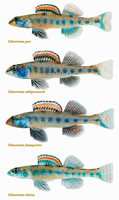
The Biological Species Concept
The Biological Species Concept (BSC), defined by Ernst Mayr, states that species are groups of actually or potentially interbreeding natural populations that are reproductively isolated from other such groups. This concept emphasizes reproductive isolation as the key criterion for species boundaries.
Reproductive Isolation: Biological factors (barriers) impede two species from producing viable, fertile offspring, blocking gene flow and reducing hybrid formation.
Limitations: The BSC does not apply well to organisms that reproduce asexually or to fossils.
Reproductive Isolating Mechanisms
Types of Barriers
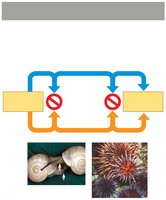
Reproductive isolation is achieved through various mechanisms that prevent gene exchange between species. These mechanisms are classified as prezygotic or postzygotic barriers.
Prezygotic Isolating Mechanisms: Prevent formation of a zygote by impeding mating or fertilization.
Postzygotic Isolating Mechanisms: Prevent proper functioning of the zygote or its development into a viable, fertile adult.
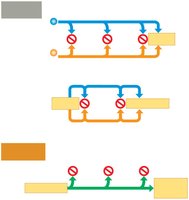
Prezygotic Isolating Mechanisms
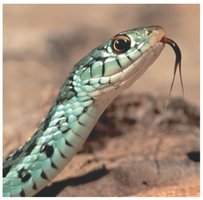
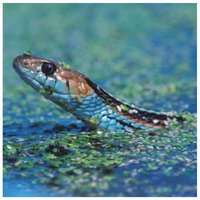
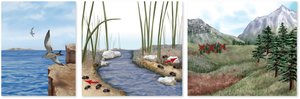
Habitat (Ecological) Isolation: Two species rarely encounter each other because they occupy different habitats, even if not separated by physical barriers.
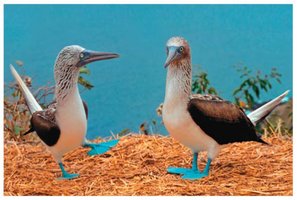
Behavioral Isolation: Unique courtship rituals and behaviors prevent mating between species. For example, blue-footed boobies select mates after elaborate displays and will not mate with other booby species.
Temporal Isolation: Species breed at different times (day, season, or year), preventing gamete mixing.
Mechanical Isolation: Morphological differences prevent successful mating.
Gametic Isolation: Sperm of one species cannot fertilize eggs of another species.
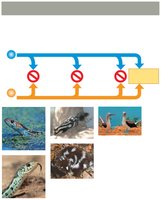
Postzygotic Isolating Mechanisms
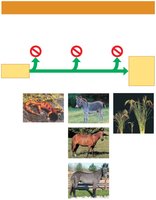
Reduced Hybrid Viability: Genes from different parent species may impair hybrid development or survival.
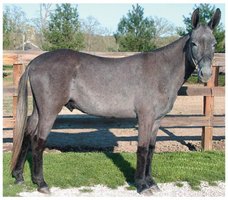
Reduced Hybrid Fertility: Hybrids may be vigorous but sterile (e.g., mules).
Hybrid Breakdown: Hybrids may be fertile, but their offspring are weak or sterile.
Mechanisms of Speciation
Process of Speciation
Speciation occurs when one ancestral species becomes divided into two descendant species. If species are defined by reproductive isolation, speciation is the evolution of reproductive isolating mechanisms.
Divergence: Initially identical populations must diverge.
Reproductive Isolation: Must evolve to maintain differences.
Gene Flow: Homogenizing effect of gene flow erases differences unless populations are isolated.
Geography of Speciation
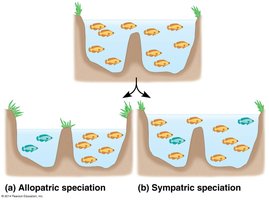
Allopatric Speciation: Occurs in geographically isolated populations. Isolation increases the likelihood of substantial differences evolving, leading to speciation.
Sympatric Speciation: Occurs without geographical separation. Often results from polyploidy (having more than two sets of chromosomes), especially in plants. Disruptive selection can also drive sympatric speciation by favoring individuals with different phenotypes.
Character Displacement
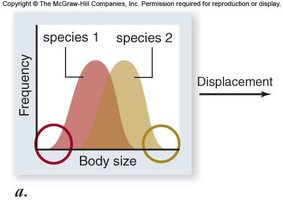
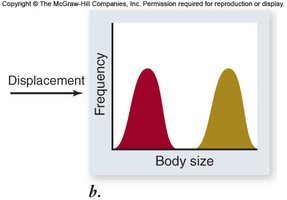
During sympatric speciation, natural selection favors individuals that use resources not used by the other species, reducing competition and increasing fitness. Trait differences in resource use increase in frequency, causing species to diverge.
Greater Fitness: Individuals most different from the other species are favored.
Divergence: Trait differences become more pronounced over time.
Summary Table: Reproductive Isolating Mechanisms
Type | Mechanism | Example |
|---|---|---|
Prezygotic | Habitat Isolation | Terrestrial vs. aquatic snakes |
Prezygotic | Behavioral Isolation | Blue-footed boobies courtship |
Prezygotic | Temporal Isolation | Species breeding at different times |
Prezygotic | Mechanical Isolation | Snail shell shape differences |
Prezygotic | Gametic Isolation | Sea urchin sperm and egg incompatibility |
Postzygotic | Reduced Hybrid Viability | Hybrid mice with low survival |
Postzygotic | Reduced Hybrid Fertility | Mule (horse × donkey) |
Postzygotic | Hybrid Breakdown | Hybrid plants with sterile offspring |
Key Equations and Concepts
Gene Flow: The movement of alleles between populations, which can prevent speciation unless populations are isolated.
Polyploidy: A mechanism of sympatric speciation, especially in plants. Polyploid individuals have more than two sets of chromosomes.
Equation for gene flow:
Equation for polyploidy:
(where n is the basic chromosome number)
Summary
Speciation is a fundamental process in evolution, driven by reproductive isolating mechanisms and influenced by geographic and ecological factors. Understanding the mechanisms of speciation helps explain the diversity of life and the formation of new species.
