 Back
Structure and Function of Macromolecules: Carbohydrates, Lipids & Phospholipids
Study Guide - Smart Notes
 Tailored notes based on your materials, expanded with key definitions, examples, and context.
The Four Classes of Large Biomolecules
Overview of Biomolecules
All living organisms are composed of four major classes of large biological molecules: carbohydrates, lipids, proteins, and nucleic acids. These macromolecules are essential for cellular structure and function, and their molecular architecture is closely tied to their biological roles.
Macromolecules are large molecules made up of thousands of covalently bonded atoms.
Most macromolecules are polymers, constructed from repeating units called monomers.
Three classes—carbohydrates, proteins, and nucleic acids—are true polymers; lipids are not.
Polymer Synthesis and Breakdown
Polymers are synthesized and broken down by specific chemical reactions:
Dehydration reaction: Joins two monomers by removing a water molecule.
Hydrolysis: Breaks a polymer into monomers by adding a water molecule.
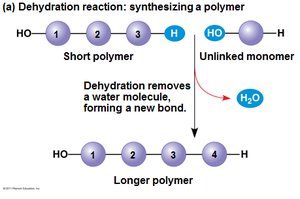
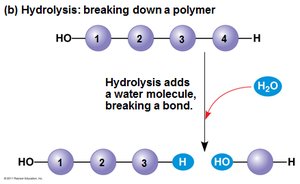
Example: The formation and breakdown of starch, proteins, and nucleic acids follow these principles.
Carbohydrates
Structure and Function
Carbohydrates serve as both fuel and structural material in cells. They include simple sugars (monosaccharides) and complex polymers (polysaccharides).
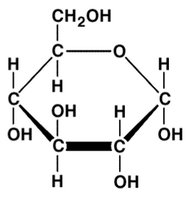
Monosaccharides: Single sugar units, e.g., glucose (C6H12O6).
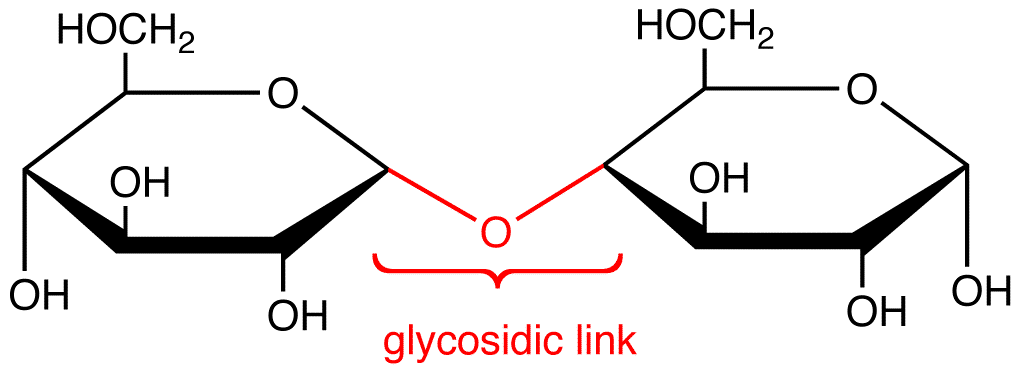
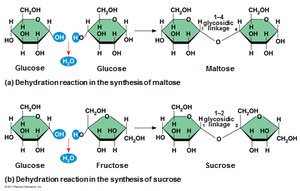
Disaccharides: Two monosaccharides joined by a glycosidic linkage.
Polysaccharides: Long chains of monosaccharides, serving storage or structural roles.
Monosaccharides
Monosaccharides are classified by the location of their carbonyl group and the number of carbons in their skeleton.
Disaccharides
Disaccharides are formed by dehydration reactions, creating a covalent glycosidic bond between two monosaccharides.
Polysaccharides
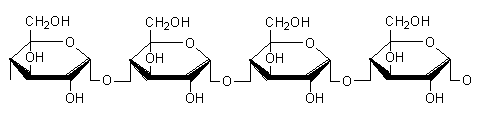
Polysaccharides are polymers of sugars with storage and structural functions. Their properties depend on the types of monomers and the positions of glycosidic linkages.
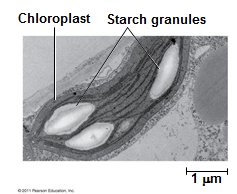
Starch: Storage polysaccharide in plants, composed of glucose monomers.
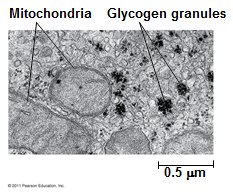
Glycogen: Storage polysaccharide in animals, stored in liver and muscle cells.
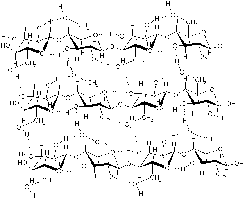
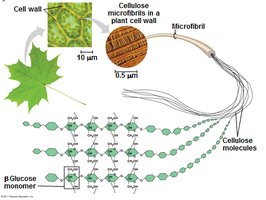
Cellulose: Structural polysaccharide in plant cell walls, composed of β-glucose monomers.
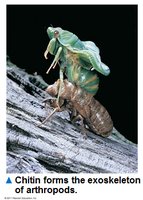
Chitin: Structural polysaccharide in arthropod exoskeletons and fungal cell walls.
Storage Polysaccharides
Starch and glycogen are used for energy storage in plants and animals, respectively.
Structural Polysaccharides
Cellulose is a major component of plant cell walls, and its β-linkages make it indigestible to most animals. Chitin provides structural support in arthropods and fungi.

Lipids
Structure and Properties
Lipids are hydrophobic molecules that do not form polymers. Their main types are fats, phospholipids, and steroids.
Hydrophobicity: Lipids are water-fearing due to their hydrocarbon content.
Fats: Composed of glycerol and fatty acids, joined by ester linkages.
Phospholipids: Major component of cell membranes, forming bilayers.
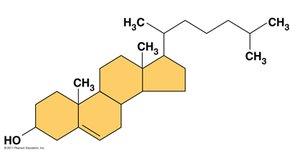
Steroids: Characterized by four fused carbon rings, e.g., cholesterol.
Fats
Fats are constructed from glycerol and fatty acids. The joining of these molecules occurs via dehydration synthesis, forming ester linkages.
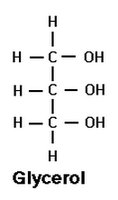
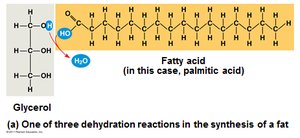
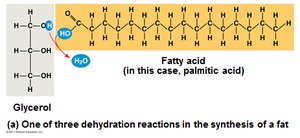
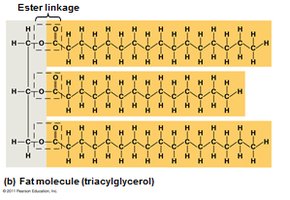
Three fatty acids joined to glycerol form a triacylglycerol (triglyceride).
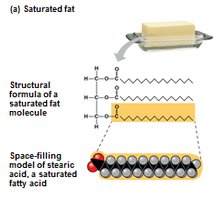
Saturated vs. Unsaturated Fats
Saturated fats: No double bonds, solid at room temperature, mostly animal fats.
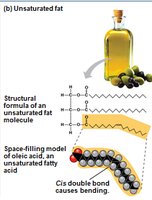
Unsaturated fats: One or more double bonds, liquid at room temperature, mostly plant and fish fats.
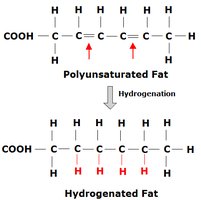
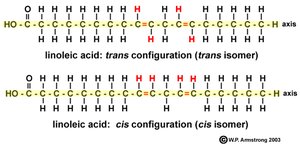
Trans fats: Created by hydrogenation, may increase cardiovascular risk.
Essential fatty acids: Not synthesized by humans, must be obtained from diet (e.g., omega-3 fatty acids).
Functions of Fats
Energy storage
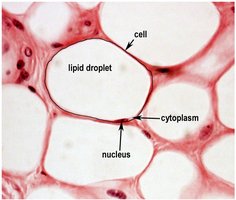
Cushioning and insulation in adipose tissue
Phospholipids
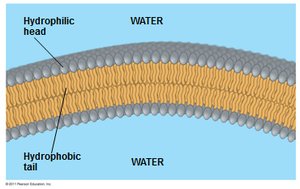
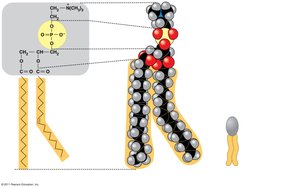
Phospholipids are amphipathic molecules, with hydrophilic heads and hydrophobic tails. They self-assemble into bilayers, forming the basis of cell membranes.
Steroids
Steroids are lipids with a characteristic four-ring structure. Cholesterol is a key steroid in animal cell membranes, but excessive levels can contribute to disease.
Summary Table: Classes of Biomolecules
Class | Monomer | Polymer | Main Function |
|---|---|---|---|
Carbohydrates | Monosaccharide | Polysaccharide | Energy, structure |
Lipids | Fatty acid, glycerol | None (not true polymers) | Energy storage, membranes, hormones |
Proteins | Amino acid | Polypeptide | Enzymes, structure, transport |
Nucleic Acids | Nucleotide | DNA/RNA | Genetic information |
Additional info: Proteins and nucleic acids are not covered in detail in these notes but are also essential macromolecules in biology.
