 Back
BackStructure and Function of the Intestines
Study Guide - Smart Notes
 Tailored notes based on your materials, expanded with key definitions, examples, and context.
Structure and Function of the Intestines
Overview of the Intestines
The intestines are a major component of the digestive system, responsible for the digestion of food, absorption of nutrients, and regulation of water balance. The intestines are divided into two main sections: the small intestine and the large intestine (colon). Key anatomical regions include the duodenum, ileum, and colon.
Small Intestine: Composed of the duodenum, jejunum, and ileum.
Large Intestine (Colon): Includes the cecum, colon (ascending, transverse, descending, sigmoid), rectum, and anus.
Primary Functions: Digestion, absorption, water reabsorption, and feces formation.
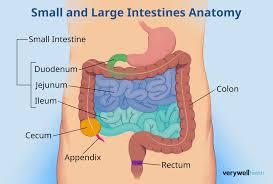
Small Intestine
Duodenum – Structure and Function
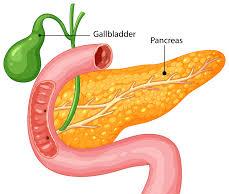
The duodenum is the first and shortest segment of the small intestine, forming a C-shaped chamber approximately 25–30 cm long. It connects the stomach to the jejunum and receives secretions from the bile duct and pancreatic duct.
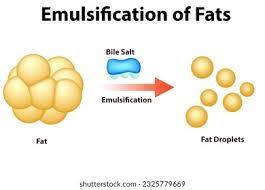
Bile Duct: Delivers bile from the liver and gallbladder to neutralize acidic chyme and emulsify fats.
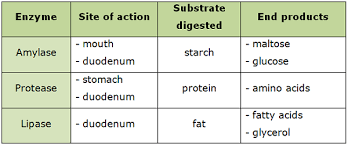
Pancreatic Duct: Delivers digestive enzymes (lipase, amylase, trypsin) from the pancreas for the breakdown of fats, carbohydrates, and proteins.
Receives Chyme: Partially digested food from the stomach enters the duodenum for further digestion.
Key Enzymes and Actions:
Lipase: Breaks down triglycerides into fatty acids and glycerol.
Amylase: Converts disaccharides into monosaccharides.
Trypsin: A protease that breaks peptide chains into amino acids.
Ileum – Structure and Function
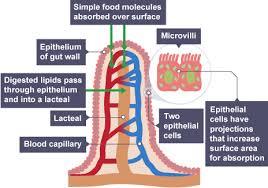
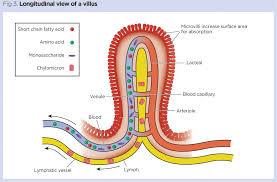
The ileum is the final and longest part of the small intestine. Its walls are lined with numerous villi and microvilli, which greatly increase the surface area for nutrient absorption. The villi contain capillaries and lacteals for efficient transport of absorbed nutrients.
Villi and Microvilli: Increase surface area for absorption.
Capillaries: Absorb amino acids, glucose, vitamins, and minerals into the bloodstream.
Lacteals: Absorb fatty acids and glycerol into the lymphatic system.
Thin Epithelium: Provides a short diffusion pathway for efficient absorption.
Mitochondria: Present in epithelial cells to provide ATP for active transport.
Muscle Layers: Longitudinal and circular smooth muscles facilitate peristalsis and segmentation, ensuring maximum contact with villi.
Absorption: Vitamin B12 and bile salts are absorbed in the ileum.
Further Digestion: Enzymes produced by microvilli complete the digestion of nutrients.
Assimilation of Digested Products
Assimilation
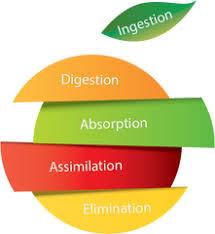
Assimilation is the process by which absorbed nutrient molecules are transported to cells and utilized for energy, growth, and repair. This involves the conversion of nutrients into cellular components or energy stores.
Glucose: Used in cellular respiration to produce ATP.
Amino Acids: Used for protein synthesis and tissue repair.
Fatty Acids: Used for energy production, membrane synthesis, and storage.
Deamination and the Role of the Liver
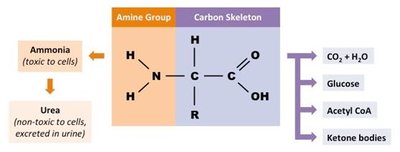
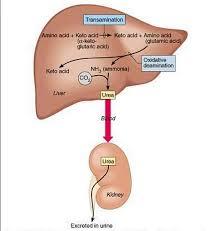
Deamination is the process by which excess amino acids are broken down in the liver. The amino group (NH2) is removed, forming ammonia (NH3), which is then converted to urea for excretion by the kidneys.
Enzymatic Breakdown: Excess amino acids are deaminated in the liver.
Ammonia Formation: Ammonia is toxic and is rapidly converted to urea.
Urea Transport: Urea is transported in the blood to the kidneys for excretion.
Storage of Glucose as Glycogen
Glucose is stored as glycogen in the liver and skeletal muscles. This serves as an energy reserve that can be mobilized during fasting or exercise. The hormones insulin and glucagon regulate the conversion between glucose and glycogen.
High Blood Sugar: Insulin stimulates the conversion of glucose to glycogen.
Low Blood Sugar: Glucagon stimulates the breakdown of glycogen to glucose.
Role of Amino Acids, Glucose, and Fatty Acids in Metabolism
Assimilated nutrients are used by cells for energy production, storage, and synthesis of cellular structures.
Glucose: Absorbed via active transport and used in cellular respiration.
Lipids: Broken down into fatty acids and glycerol for energy, membrane synthesis, and storage.
Amino Acids: Used for protein synthesis and tissue repair; excess is deaminated in the liver.
Large Intestine (Colon)
Colon – Structure
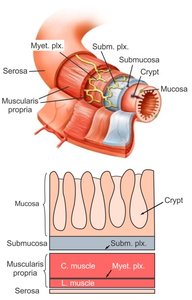
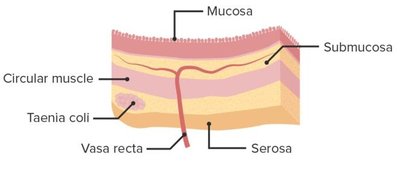
The colon is the main part of the large intestine, extending about 1.5 meters from the cecum to the rectum. It is divided into four main regions: ascending, transverse, descending, and sigmoid colon. The colon wall consists of four specialized tissue layers.
Ascending Colon
Transverse Colon
Descending Colon
Sigmoid Colon
Layers: Mucosa, submucosa, muscularis, and serosa.
Role of the Colon in Water Reabsorption
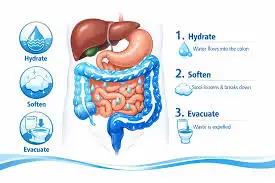
The colon absorbs water and electrolytes (sodium and chloride) from undigested food material, creating an osmotic gradient that pulls water from the fecal matter into the bloodstream. This process prevents dehydration and helps maintain fluid balance in the body. The remaining waste becomes more solid, forming feces, which are stored before elimination.
Water Reabsorption: Essential for maintaining body hydration.
Electrolyte Balance: Sodium and chloride are reabsorbed with water.
Feces Formation: Waste is compacted and stored until elimination.
Importance of Gut Microbiota
Gut microbiota are microorganisms that inhabit the digestive tract. They play a crucial role in breaking down undigested food substances, producing vitamins (such as vitamin K and some B vitamins), protecting against harmful pathogens, and supporting immune function.
Vitamin Production: Synthesis of vitamin K and B vitamins.
Pathogen Protection: Compete with harmful microbes for resources.
Immune Support: Modulate immune responses in the gut.
Key Digestive Processes
Bolus
A bolus is a soft mass of chewed food formed in the mouth and mixed with saliva. It is swallowed and moves down the esophagus to the stomach.
Chyme
Chyme is the semi-liquid mixture of partially digested food and gastric juices formed in the stomach. It moves from the stomach into the duodenum for further digestion.
Peristalsis
Peristalsis is a series of wave-like muscle contractions that move food along the digestive tract. It occurs in the esophagus, stomach, and intestines, ensuring unidirectional movement of food through the system.
