 Back
BackStudy Guide: Bacteria and Archaea (Chapter 27)
Study Guide - Smart Notes
 Tailored notes based on your materials, expanded with key definitions, examples, and context.
Bacteria and Archaea: Diversity, Structure, and Function
Overview of the Tree of Life
The tree of life represents the evolutionary relationships among all living organisms, divided into three domains: Bacteria, Archaea, and Eukarya. Prokaryotes (Bacteria and Archaea) are the most ancient and abundant forms of life, thriving in diverse environments.
Characteristic | Bacteria | Archaea | Eukarya |
|---|---|---|---|
Nuclear envelope | Absent | Absent | Present |
Membrane-enclosed organelles | Absent | Absent | Present |
Peptidoglycan in cell wall | Present | Absent | Absent |
Membrane lipids | Unbranched hydrocarbons | Some branched hydrocarbons | Unbranched hydrocarbons |
RNA polymerase | One kind | Several kinds | Several kinds |
Initiator amino acid for protein synthesis | Formyl-methionine | Methionine | Methionine |
Introns in genes | Very rare | Present in some genes | Present in many genes |
Response to antibiotics | Growth usually inhibited | Growth not inhibited | Growth not inhibited |
Histones associated with DNA | Absent | Present in some species | Present |
Circular chromosome | Present | Present | Absent |
Growth at temperatures >100°C | Some species | Some species | Not present |
Structural and Functional Adaptations of Prokaryotes
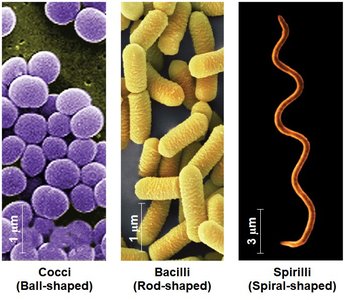
Prokaryotes exhibit a variety of shapes and adaptations that contribute to their success. Most are unicellular and much smaller than eukaryotic cells. The three most common shapes are:
Cocci (spherical)
Bacilli (rod-shaped)
Spirilli (spiral-shaped)
The cell wall is a critical structure, maintaining cell shape, protecting the cell, and preventing lysis in hypotonic environments. Bacterial cell walls contain peptidoglycan, while archaeal cell walls lack peptidoglycan and instead contain polysaccharides and proteins.
Gram Staining
Gram-positive bacteria: Thick peptidoglycan layer, stain purple.
Gram-negative bacteria: Thin peptidoglycan layer, outer membrane with lipopolysaccharides, stain pink.
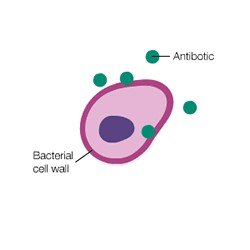
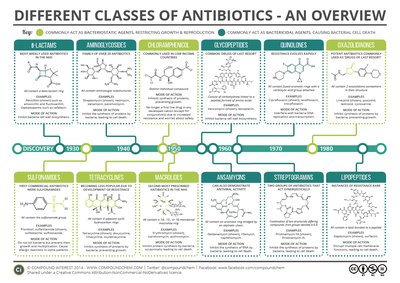
Many antibiotics target peptidoglycan, making Gram-positive bacteria more susceptible.
Additional Cell Surface Structures
Capsule: Sticky layer for adherence and protection from the immune system.
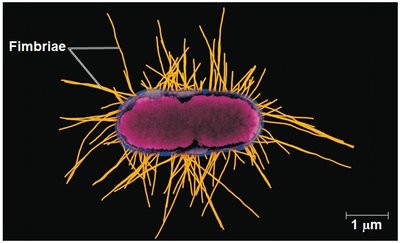
Fimbriae: Hair-like appendages for attachment to surfaces or other cells.
Pili: Longer appendages for DNA exchange (conjugation).
Endospores
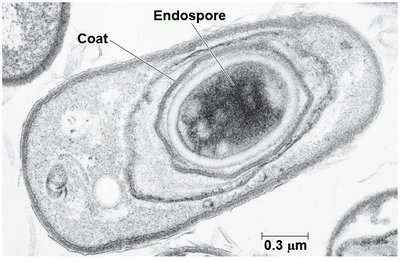
Some prokaryotes form metabolically inactive endospores that can survive harsh conditions for centuries.
Internal Organization
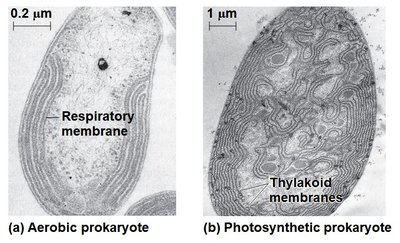
Prokaryotes lack complex compartmentalization but may have specialized membranes for metabolic functions.
Genetic Material
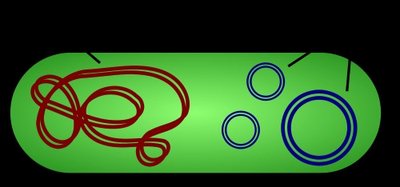
Most prokaryotes have a single, circular chromosome located in the nucleoid region.
They may also have small, independently replicating DNA molecules called plasmids.
Reproduction and Genetic Diversity
Prokaryotes reproduce rapidly by binary fission, leading to short generation times and high population growth. Genetic diversity arises from:
Rapid reproduction
Mutation
Genetic recombination (transformation, transduction, conjugation)
Conjugation and Plasmids
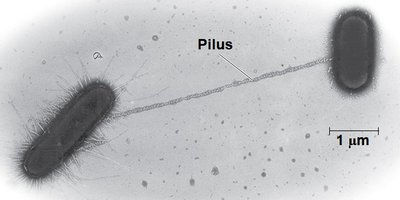
Conjugation involves the transfer of DNA between cells via a pilus. The F factor is required for pilus formation and DNA transfer.
Antibiotic Resistance
R plasmids carry genes for antibiotic resistance, which can be transferred between bacteria, leading to the spread of resistant strains.
Nutritional and Metabolic Adaptations
Prokaryotes are classified by their energy and carbon sources:
Photoautotrophs: Light as energy, CO2 as carbon source
Chemoautotrophs: Inorganic chemicals as energy, CO2 as carbon source
Photoheterotrophs: Light as energy, organic compounds as carbon source
Chemoheterotrophs: Organic compounds as energy and carbon source
Oxygen and Nitrogen in Metabolism
Obligate aerobes: Require O2 for cellular respiration
Obligate anaerobes: Poisoned by O2, use fermentation or anaerobic respiration
Facultative anaerobes: Can use O2 or not
Nitrogen fixation: Conversion of N2 to NH3 by some prokaryotes
Metabolic Cooperation
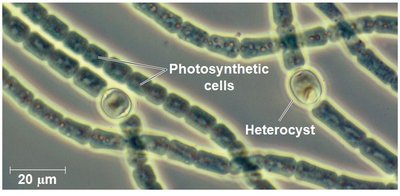
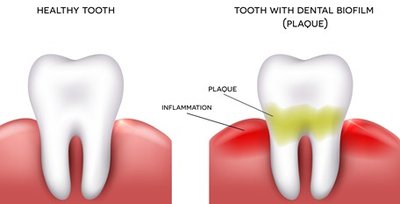
Prokaryotes cooperate metabolically, forming biofilms or exchanging metabolites. In cyanobacteria, specialized cells called heterocysts fix nitrogen while others perform photosynthesis.
Prokaryotic Diversity: Major Groups
Prokaryotes are divided into two domains: Bacteria and Archaea. Bacteria include several major groups:
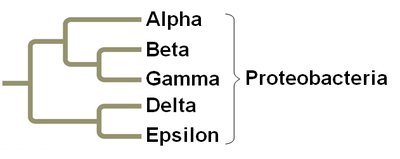
Proteobacteria: Diverse, includes five subgroups (Alpha, Beta, Gamma, Delta, Epsilon)
Chlamydias: Intracellular parasites
Spirochetes: Helical, some are pathogens
Cyanobacteria: Photosynthetic, oxygen-generating
Gram-positive bacteria: Includes many decomposers and pathogens
Proteobacteria Subgroups
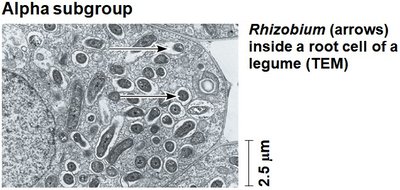
Alpha: Includes Rhizobium (nitrogen-fixing in legumes)
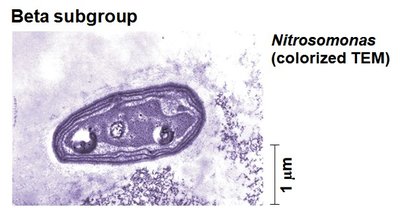
Beta: Includes Nitrosomonas (ammonia to nitrite conversion)
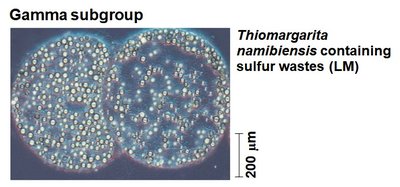
Gamma: Includes Thiomargarita namibiensis, Escherichia coli, pathogens
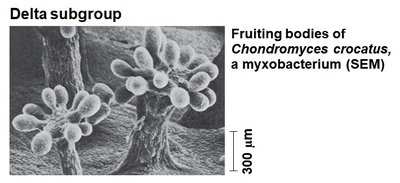
Delta: Includes myxobacteria (fruiting bodies), Bdellovibrio
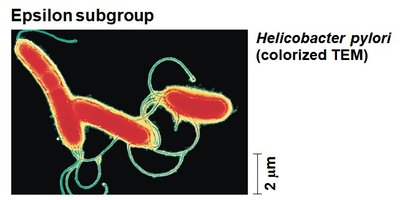
Epsilon: Includes Helicobacter pylori (causes ulcers)
Other Bacterial Groups
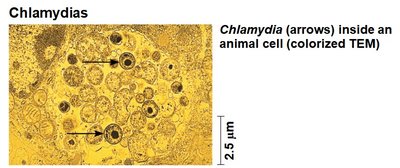
Chlamydias: Intracellular animal cell parasites
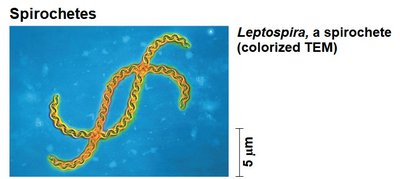
Spirochetes: Helical, includes pathogens like Leptospira
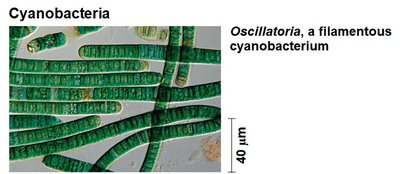
Cyanobacteria: Filamentous, photosynthetic, likely ancestors of chloroplasts
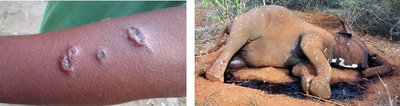
Gram-positive bacteria: Includes decomposers, pathogens (e.g., Bacillus anthracis, Clostridium botulinum)
Archaea
Archaea share traits with both bacteria and eukaryotes. Many are extremophiles:
Extreme halophiles: Thrive in highly saline environments
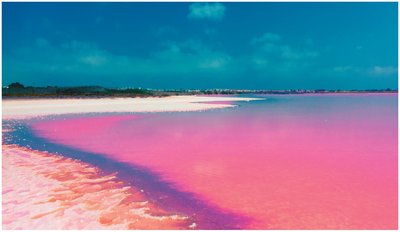
Extreme thermophiles: Thrive in very hot environments
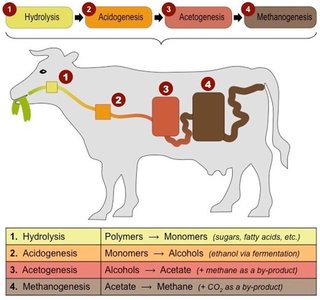
Methanogens: Produce methane, strict anaerobes
Ecological Roles of Prokaryotes
Prokaryotes are essential for life, playing major roles in recycling nutrients, decomposing organic matter, and converting molecules for use by other organisms. They form symbiotic relationships:
Mutualism: Both partners benefit
Commensalism: One benefits, other unaffected
Parasitism: One benefits, other harmed (pathogens)
Prokaryotes and Human Health
Prokaryotes can be both beneficial and harmful to humans. The human gut contains hundreds of bacterial species, many of which aid digestion. Pathogenic bacteria cause diseases by releasing toxins:
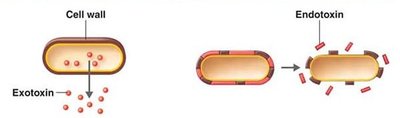
Exotoxins: Secreted, cause disease even if bacteria are absent
Endotoxins: Released when bacteria die and cell walls break down
Horizontal gene transfer can spread virulence genes, making some strains more dangerous.
Prokaryotes in Research and Technology
Prokaryotes are used in biotechnology, gene cloning, and bioremediation. The CRISPR-Cas system, derived from prokaryotes, is a powerful tool for gene editing.
