 Back
Study Guide: pH, Carbon, Functional Groups, and Biomolecules in General Biology
Study Guide - Smart Notes
 Tailored notes based on your materials, expanded with key definitions, examples, and context.
pH and Water
Understanding pH
The concept of pH is fundamental in biology, as it affects the structure and function of biomolecules. pH is a measure of the concentration of hydrogen ions ([H+]) in a solution, and is defined mathematically as:
Definition: pH = negative logarithm (base 10) of the hydrogen ion concentration.
Formula:
Neutral pH: Water is neutral at pH 7, where [H+] equals [OH–].
Logarithmic Scale: Each unit change in pH represents a tenfold change in [H+] concentration.
Acidic vs. Basic: Lower pH means higher [H+] (acidic); higher pH means lower [H+] (basic).
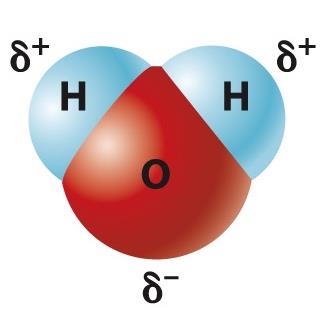

Acids and Bases
Acids and bases are molecules that affect pH by donating or accepting hydrogen ions.
Acids: Donate H+ ions, lowering pH.
Bases: Accept H+ ions, raising pH.
Example: COOH group can donate H+ to become COO–.
Cellular pH: Most biological reactions occur near neutral pH.
Chemistry of Carbon
Carbon: Life’s Chemical Backbone
Carbon is the most abundant element in biological molecules, forming the backbone of organic compounds.
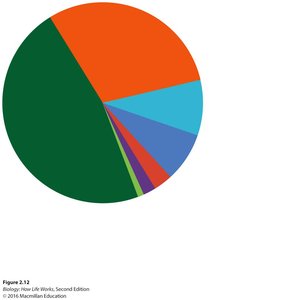
Abundance: Carbon makes up about 47% of dry cell mass.
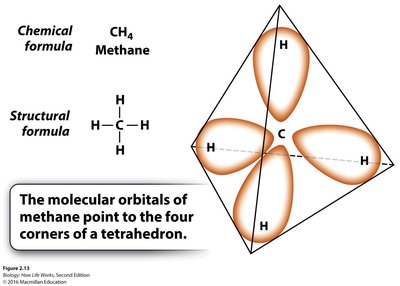
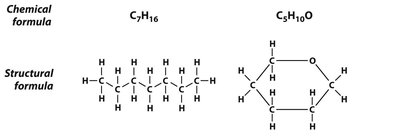
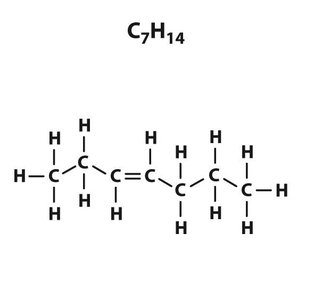
Bonding: Carbon can form four covalent bonds, allowing for diverse molecular structures (chains, branches, rings).
Organic Compounds: Molecules containing carbon-carbon bonds are called organic compounds.
Why Carbon?
Versatility: Carbon can bond to four other atoms, rotate freely, and form straight, branched, or ring structures.
Example: Methane (CH4) has a tetrahedral geometry.
Functional Groups in Biomolecules
Key Functional Groups
Functional groups are specific groups of atoms attached to the carbon backbone that determine the chemical properties and reactivity of organic molecules.
Hydroxyl (-OH): Found in alcohols; increases solubility in water.
Carbonyl (C=O): Found in ketones and aldehydes; affects reactivity.
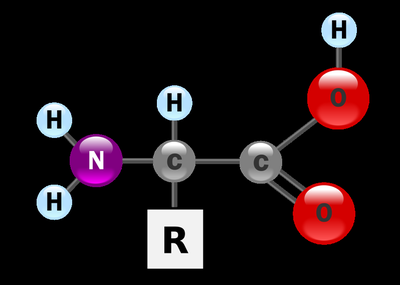
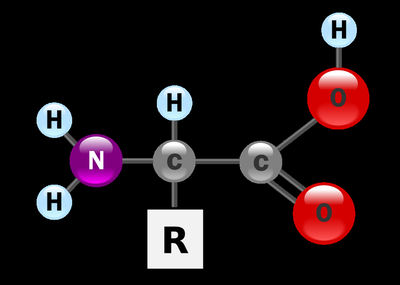
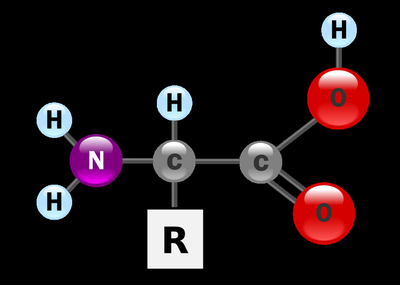
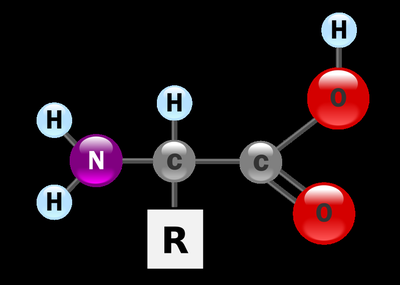
Carboxyl (-COOH): Acts as an acid; can donate H+.
Amino (-NH2): Acts as a base; can accept H+.
Phosphate (-PO4): Important in energy transfer (e.g., ATP).
Acidic and Basic Groups
Carboxyl: Acidic; donates H+ and becomes negatively charged.
Amino: Basic; accepts H+ and becomes positively charged.




Biomolecules and Macromolecules
Classes of Biomolecules
Cells are composed of four major classes of organic molecules, each with unique functions and structures.
Nucleic acids: Store and transmit genetic information (DNA, RNA).
Proteins: Catalyze reactions, provide structure, and regulate processes.
Carbohydrates: Provide energy and structural support.
Lipids: Form membranes, store energy, and act as signaling molecules.
Polymers and Monomers
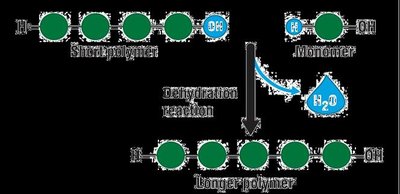
Polymers: Large molecules made from repeating units called monomers.
Monomers: The building blocks of polymers (e.g., amino acids for proteins, nucleotides for nucleic acids).
Making and Breaking Polymers
Dehydration Synthesis: Joins monomers by removing water; forms polymers.
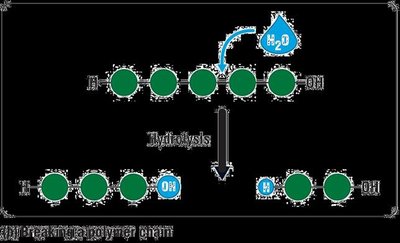
Hydrolysis: Breaks polymers into monomers by adding water.
Enzymes: Catalyze both processes.
Bond Types and Electronegativity
Covalent and Ionic Bonds
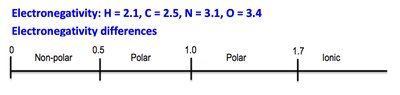
Atoms in biomolecules are held together by different types of chemical bonds, determined by their electronegativity differences.
Non-polar covalent: Electrons are shared equally (e.g., C-H).
Polar covalent: Electrons are shared unequally (e.g., O-H).
Ionic: Electrons are transferred, creating charged ions (e.g., NaCl).
Hydrogen bonds: Weak attractions between polar molecules, important in DNA and protein structure.
Hydrogen Bonds in DNA
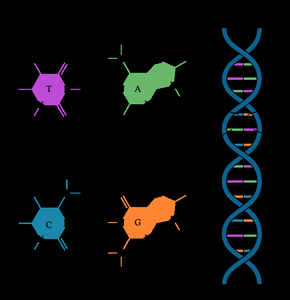
A-T pairs: Form 2 hydrogen bonds.
C-G pairs: Form 3 hydrogen bonds.
Importance: Hydrogen bonds stabilize the double helix structure of DNA.
Summary Table: Functional Groups
The following table summarizes the main functional groups found in biological molecules:
Functional Group | Structure | Properties | Example |
|---|---|---|---|
Hydroxyl | -OH | Polar, increases solubility | Alcohols |
Carbonyl | C=O | Polar, reactive | Ketones, Aldehydes |
Carboxyl | -COOH | Acidic, donates H+ | Amino acids |
Amino | -NH2 | Basic, accepts H+ | Amino acids |
Phosphate | -PO4 | Energy transfer | ATP |
Practice and Recap
Practice problems on pH and functional groups help reinforce understanding.
Review the role of carbon, functional groups, and polymerization in biomolecules.
Additional info: This guide expands on brief points from the original materials, providing academic context and examples for clarity.
