 Back
BackStudy Guide: Syllabus and Success Strategies for BIOL 122 – Evolution, Diversity & Ecology
Study Guide - Smart Notes
 Tailored notes based on your materials, expanded with key definitions, examples, and context.
Course Overview
Introduction to BIOL 122: Evolution, Diversity & Ecology
BIOL 122 is an introductory biology course focusing on the fundamental concepts of evolution, the diversity of life, and ecological principles. The course is designed for biology majors and fulfills a general education requirement in natural and physical sciences. Students will explore evolutionary patterns and processes, survey the diversity of life forms, and understand basic ecological and conservation principles.
Course Emphasis: Evolution, diversity (bacteria, archaea, protists, plants, fungi, animals), ecology, and conservation.
Prerequisites/Corequisites: BIOL 123 is a corequisite; BIOL 120/121 may be taken before or after BIOL 122.
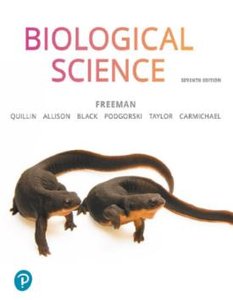
Textbook: Biological Science, 6th edition, by Freeman (e-copy provided; optional print available).
Course Goals and Learning Outcomes
Objectives and Expected Skills
The course aims to provide students with a robust foundation in biological concepts, emphasizing scientific reasoning and the societal relevance of biology. By the end of the semester, students should be able to:
Understand and articulate fundamental biological vocabulary, especially in evolution and ecology.
Explain factual and theoretical principles of evolution.
Describe the diversity of life on a global scale.
Apply basic ecological principles and conservation strategies.
Demonstrate critical thinking and scientific reasoning skills.
Evaluate scientific data and research results.
Relate biological science to societal issues.
Colonnade Learning Outcomes: Students will demonstrate understanding of scientific inquiry, explain and apply scientific principles, and relate these to personal and public issues.
Course Structure and Grading
Assessment Components
Student performance is evaluated through a combination of homework, participation, and exams. The grading structure is as follows:
Category | Percent of Grade | Details |
|---|---|---|
Homework | 17% | Syllabus Quiz, Dynamic Study Modules (DSMs) |
Participation | 19% | In-class work, Attendance |
Exams | 64% | 4 Unit Exams (lowest dropped), Final Exam |
Homework: Includes a syllabus quiz and DSMs (adaptive Q&A modules). Two lowest DSM grades are dropped. Exams: Taken via Respondus browser; lowest unit exam dropped. Final exam is comprehensive. Participation: Based on attendance (3 absences dropped) and in-class activities (2 lowest dropped).
Course Schedule
Weekly Topics and Readings
The course follows a structured schedule, covering key chapters in evolution, diversity, and ecology. Students are expected to complete readings and DSMs as assigned. Major topics include:
Evolution: Chapters 1, 22, 23, 24, 25
Diversity: Chapters 26, 27, 28, 29, 30, 31, 32
Ecology: Chapters 49, 50, 51, 52, 53, 54
Exams are spaced throughout the semester, with the final exam during finals week. The schedule is subject to change; students should check Blackboard for updates.
Course Policies and Success Strategies
Attendance, Participation, and Academic Integrity
Attendance: Regular attendance is crucial for success. Participation points are tied to attendance and in-class activities.
Academic Integrity: Cheating, plagiarism, and disruptive behavior are strictly prohibited and may result in severe penalties, including course failure.
Civility: Respectful behavior is expected at all times. Disruptions or offensive conduct will not be tolerated.
Communication and Technology
Slack App: Primary tool for class communication. Students must use their university email to sign up.
Blackboard: All course materials, grades, and assignments are managed through Blackboard. Do not use the app for grade calculations.
Respondus Lockdown Browser: Required for all exams. Chromebooks and phones are not permitted.
Attendance Radar: Used for tracking attendance; students must sign in with their university email.





Accommodations and Support
Student Accessibility: Students requiring accommodations must contact the Student Accessibility Resource Center and provide documentation.
Technology Support: Loaner laptops and alternatives are available for students with technology needs.
The Learning Center (TLC): Free tutoring and study resources are available for all students.
Food Insecurity: Support is available for students facing food insecurity through the Office of Sustainability.
Frequently Asked Questions (FAQ)
Common Student Concerns
Missed Class: Flexibility is built in; use provided resources to stay on track. Extended absences require communication with the instructor.
Missed Assignments: Lowest homework grades are dropped; late work is not accepted except for documented extenuating circumstances.
Technical Issues: Use Firefox or Chrome for Mastering Biology; contact Pearson support for help.
Missed Exams: Make-ups allowed only with documented, university-recognized excuses provided before the exam.
Grade Calculation: The "Current Grade" on Blackboard is approximate; final grades are calculated after all drops and adjustments.
Extra Credit: Not offered to individuals; may be offered to the class as a whole.
Accommodations: Provide documentation in person; accommodations are taken seriously and implemented promptly.
University Policies and Resources
Key Institutional Guidelines
Attendance: Active participation is expected; attendance is directly correlated with academic success.
Academic Integrity: All forms of dishonesty are prohibited and will be reported to the Office of Student Conduct.
AI Policy: Use of artificial intelligence tools is not permitted and is considered academic dishonesty.
Sexual Misconduct and Discrimination: WKU upholds strict policies against discrimination and harassment; resources are available for support and reporting.
For more information, visit the university's syllabus information page and consult the Student Handbook for detailed policies.
Tips for Success in BIOL 122
Recommended Weekly Study Rhythm
Preview upcoming content over the weekend.
Review lecture material and clarify questions after each class.
Complete DSMs and assigned readings before deadlines.
Stay proactive in seeking help and using available resources.
Remember: Consistent engagement, timely completion of assignments, and active participation are key to success in this course.
