 Back
Tetrapods and Amphibians: Evolution, Structure, and Diversity
Study Guide - Smart Notes
 Tailored notes based on your materials, expanded with key definitions, examples, and context.
Tetrapods: Evolution and Major Traits
Introduction to Tetrapods
Tetrapods are a group of vertebrates that evolved to live on land, characterized by having four limbs with digits. Their evolutionary history marks a significant transition from aquatic to terrestrial life, leading to the vast diversity of land vertebrates seen today.
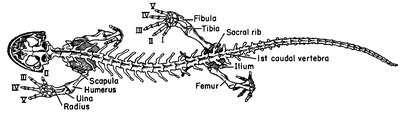
Key Traits: Four limbs with digits, fusion of hip bones to the backbone, ribs, and a neck separating the head from the body.
Evolutionary Significance: Tetrapods are descended from lobe-finned fishes, with the transition to land requiring adaptations for supporting body weight and breathing air.
Phylogenetic Relationships
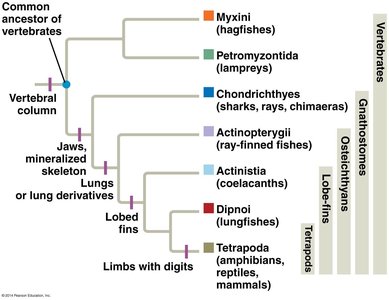
The evolutionary tree of vertebrates highlights the emergence of tetrapods from lobe-finned ancestors. This transition involved the development of limbs with digits and lungs or lung derivatives.
Major Groups: Ray-finned fishes, lobe-finned fishes, and tetrapods (amphibians, reptiles, mammals).
Key Innovations: Limbs with digits, lungs, and adaptations for terrestrial locomotion.
Structural Adaptations for Life on Land
Transitioning to terrestrial environments required significant anatomical changes in tetrapods. These adaptations enabled efficient movement, respiration, and sensory perception on land.
Support and Locomotion: Robust limb bones, girdles attached to the backbone, and digits for walking.
Respiration: Development of lungs and loss of gills in adults.
Sensory Adaptations: Formation of ears and other structures from pharyngeal clefts.

History of Tetrapod Evolution
Major Evolutionary Events
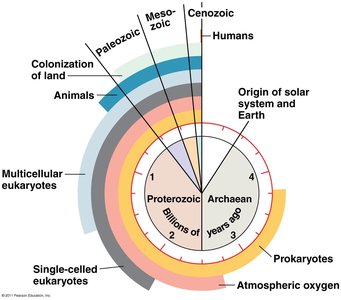
The history of animal evolution includes several key milestones, such as the colonization of land by vertebrates and the diversification of tetrapods.
Timeline: Vertebrates adapted to land around 365 million years ago, following the earlier adaptation of arthropods.
Fossil Evidence: Transitional fossils like Tiktaalik illustrate the shift from aquatic to terrestrial life.
Amphibia: Diversity and Adaptations
General Characteristics of Amphibians
Amphibians are basal tetrapods that typically inhabit damp environments. They exhibit a dual life cycle, with aquatic larvae and terrestrial adults, and have permeable skin for gas exchange.
Habitat: Association with moist habitats or microhabitats.
Physiology: Ectothermic (body temperature regulated by environment), permeable skin, and reliance on water for reproduction.
Amphibian Reproduction and Life Cycle
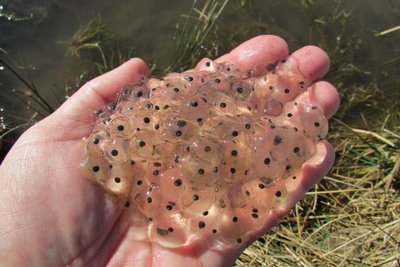
Amphibians typically lay eggs in water, which hatch into aquatic larvae (e.g., tadpoles) that undergo metamorphosis into terrestrial adults.
Eggs: Laid in water, lack a hard shell, and are susceptible to desiccation.
Larval Stage: Aquatic, with gills and a tail; herbivorous diet.
Adult Stage: Terrestrial, with lungs, legs, and a carnivorous diet.
Orders of Amphibia
Amphibians are classified into three main orders, each with distinct morphological and ecological traits.
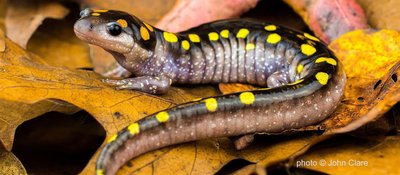
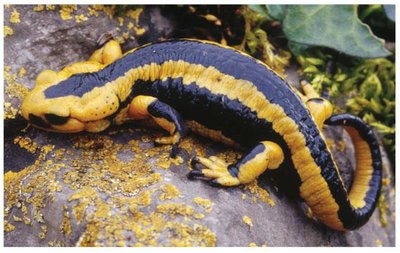
Order Urodela (Salamanders & Newts): Retain tails as adults, elongated bodies, and often aquatic or semi-aquatic.
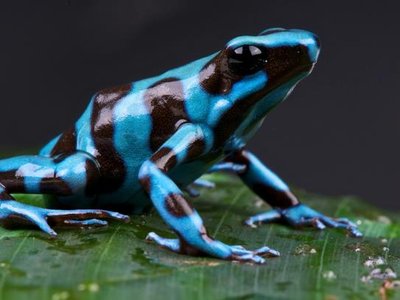
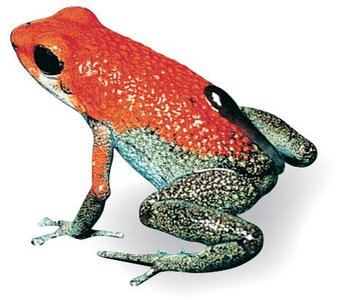
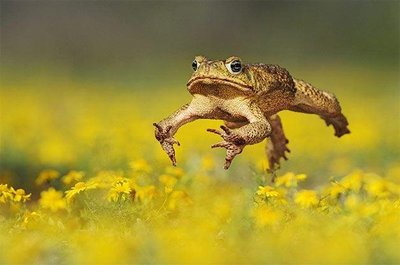
Order Anura (Frogs & Toads): Lack tails as adults, powerful hind limbs for jumping, and diverse coloration for camouflage or warning.
Order Apoda (Caecilians): Legless, burrowing amphibians resembling worms or snakes; adapted for a subterranean lifestyle.

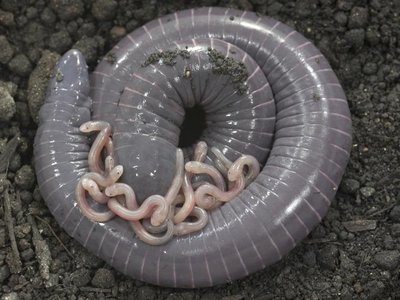
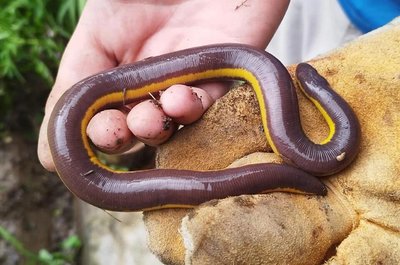
Amphibian Diversity: Examples
Amphibians display remarkable diversity in form, coloration, and ecological roles. Some species are brightly colored as a warning to predators, while others are camouflaged.
Poison Dart Frogs: Exhibit aposematic coloration to warn predators of their toxicity.
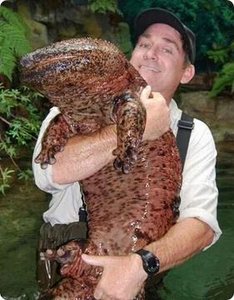
Salamanders: Range from aquatic to terrestrial species, some with striking patterns.
Summary Table: Amphibian Orders
Order | Common Name | Key Traits | Example |
|---|---|---|---|
Urodela | Salamanders & Newts | Retain tail as adult, elongated body | Spotted salamander |
Anura | Frogs & Toads | Lack tail as adult, powerful hind limbs | Poison dart frog |
Apoda | Caecilians | Legless, burrowing | Caecilian |
