 Back
The Cell Cycle and Cell Division: Structure, Function, and Regulation
Study Guide - Smart Notes
 Tailored notes based on your materials, expanded with key definitions, examples, and context.
The Cell Cycle
Overview of the Cell Cycle
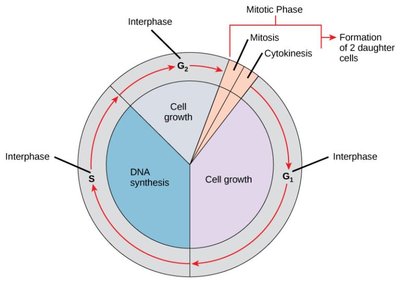
The cell cycle is the series of events that cells go through as they grow and divide. It is essential for growth, tissue repair, and reproduction in all living organisms. The cycle is tightly regulated to ensure accurate DNA replication and cell division, preventing errors that could lead to diseases such as cancer.
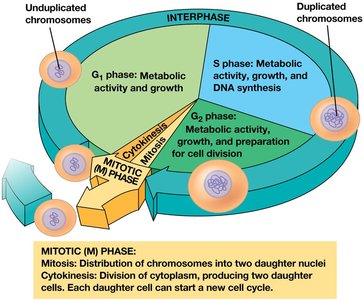
Interphase: The cell grows, performs normal functions, and prepares for division. It consists of three subphases: G1, S, and G2.
Mitotic (M) phase: The cell divides its nucleus (mitosis) and cytoplasm (cytokinesis), resulting in two daughter cells.
Functions of Cell Division
Cell division serves several critical roles in living organisms:
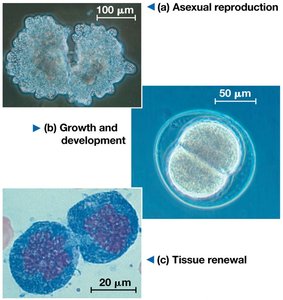
Reproduction: In single-celled organisms, division produces new individuals.
Growth and development: In multicellular organisms, repeated cell divisions transform a single fertilized egg into a complex organism.
Tissue repair and renewal: Cell division replaces damaged or worn-out cells.
Genetic continuity: Each division passes an identical copy of DNA to daughter cells.
Genetic Material and Chromosome Organization
Cellular Organization of Genetic Material
The genome is the complete set of genetic material in a cell. Its organization differs between prokaryotes and eukaryotes:
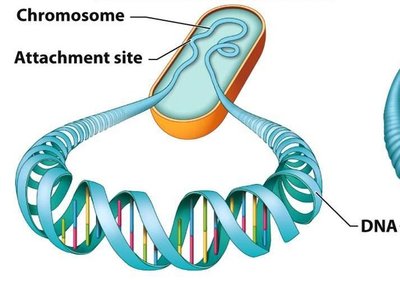
Prokaryotic cells: Usually have a single circular chromosome located in the nucleoid region. They may also contain plasmids.
Eukaryotic cells: Contain multiple linear chromosomes housed within a nucleus.
Chromatin and Chromosome Structure
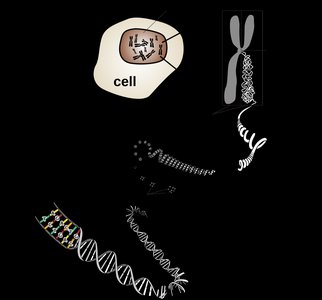
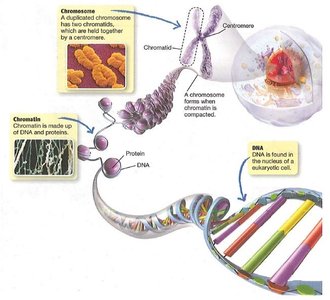
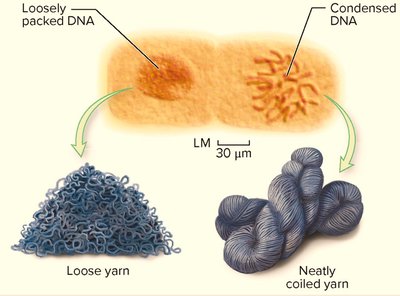
In eukaryotes, DNA is packaged with proteins to form chromatin. Chromatin condenses to form visible chromosomes during cell division. DNA wraps around histone proteins, and the degree of condensation changes depending on the cell cycle phase.
Chromatin: DNA-protein complex; less condensed during interphase for gene expression.
Chromosome: Highly condensed chromatin, visible during mitosis.
Chromosome Sets and Ploidy
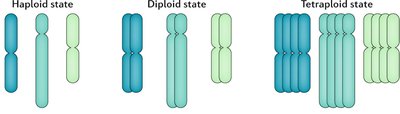
Most eukaryotes have chromosomes in pairs called homologous chromosomes. The number of sets is called ploidy:
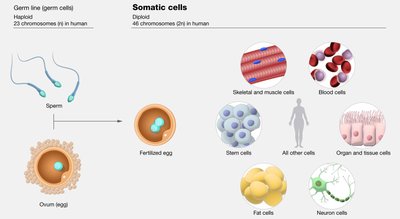
Haploid (n): One set of chromosomes (e.g., gametes).
Diploid (2n): Two sets of chromosomes (e.g., somatic cells).
Polyploid (>2n): More than two sets (common in plants).
Germ Line vs. Somatic Cells
Germ line cells give rise to gametes (sperm and eggs) and are involved in sexual reproduction. Somatic cells make up the body's tissues and organs and divide by mitosis.
Chromosome Number in Different Species
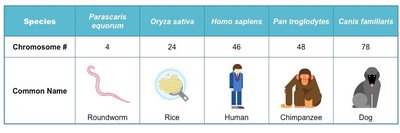
Each species has a characteristic chromosome number, usually referring to the diploid (2n) number in somatic cells. Chromosome number does not correlate with organism complexity.
Species | Chromosome # | Common Name |
|---|---|---|
Parascaris equorum | 4 | Roundworm |
Oryza sativa | 24 | Rice |
Homo sapiens | 46 | Human |
Pan troglodytes | 48 | Chimpanzee |
Canis familiaris | 78 | Dog |
Phases of the Cell Cycle
Interphase
Interphase is the longest phase of the cell cycle, during which the cell grows, replicates its DNA, and prepares for division. It consists of three subphases:
G1 phase (First Gap): Cell grows and performs normal functions. May enter G0 (non-dividing state).
S phase (Synthesis): DNA replication occurs.
G2 phase (Second Gap): Cell continues to grow and prepares for mitosis.
Mitotic (M) Phase
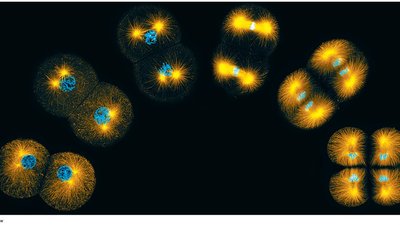
The M phase includes mitosis (division of the nucleus) and cytokinesis (division of the cytoplasm). Mitosis is divided into several stages:
Prophase: Chromosomes condense, spindle forms, nucleolus disappears.
Prometaphase: Nuclear envelope breaks down, spindle fibers attach to kinetochores.
Metaphase: Chromosomes align at the metaphase plate.
Anaphase: Sister chromatids separate and move to opposite poles.
Telophase: Chromosomes decondense, nuclear envelopes reform.
Cytokinesis: Cytoplasm divides, forming two daughter cells.
Chromosome Duplication and Distribution
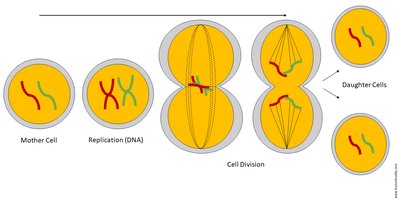
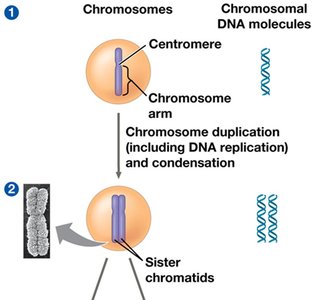
Before division, each chromosome is duplicated, forming two identical sister chromatids joined at a centromere. During mitosis, sister chromatids are separated so each daughter cell receives a complete set of chromosomes.
Cell Division in Prokaryotes: Binary Fission
Binary Fission
Prokaryotes divide by binary fission, a simpler process than mitosis. The single circular chromosome replicates, and the cell splits into two genetically identical daughter cells.
Chromosome replication
Cell elongation and chromosome separation
Plasma membrane pinches inward
Formation of two daughter cells
Regulation of the Cell Cycle
Cell Cycle Control and Checkpoints
The cell cycle is regulated by cyclins and cyclin-dependent kinases (CDKs). Checkpoints ensure that each phase is completed correctly before the next begins:
G1 checkpoint: Checks for DNA damage, nutrients, and growth signals.
G2 checkpoint: Ensures DNA replication is complete and undamaged.
M checkpoint: Confirms all chromosomes are properly attached to spindle fibers before anaphase.
If errors are detected, the cell can pause for repairs or enter a non-dividing state (G0). If damage is irreparable, the cell may undergo apoptosis (programmed cell death).
Loss of Cell Cycle Control and Cancer
Cancer results from the loss of normal cell cycle control. Cancer cells may:
Bypass checkpoints and divide uncontrollably
Evade apoptosis
Form tumors (benign or malignant)
Metastasize to other tissues
Summary Table: Key Terms and Concepts
Term | Definition |
|---|---|
Cell cycle | Series of events in cell growth and division |
Mitosis | Division of the nucleus into two identical nuclei |
Cytokinesis | Division of the cytoplasm |
Chromosome | Condensed DNA-protein structure visible during division |
Chromatin | DNA-protein complex in non-dividing cells |
Centromere | Region joining sister chromatids |
Homologous chromosomes | Matching chromosome pairs (one from each parent) |
Haploid | One set of chromosomes (n) |
Diploid | Two sets of chromosomes (2n) |
Binary fission | Prokaryotic cell division |
Checkpoint | Control point in the cell cycle |
Cyclin/CDK | Proteins that regulate the cell cycle |
