 Back
The Cell Cycle: Mitosis and Asexual Reproduction
Study Guide - Smart Notes
 Tailored notes based on your materials, expanded with key definitions, examples, and context.
The Cell Cycle and Asexual Reproduction
Introduction
The cell cycle is a fundamental process in biology, enabling organisms to grow, develop, and reproduce. In eukaryotes, the cell cycle includes the precise duplication and distribution of genetic material, ensuring continuity of life. Asexual reproduction, which often involves mitosis, allows organisms to produce genetically identical offspring, a process essential for growth, repair, and in some cases, propagation of species.
Overview: The Key Roles of Cell Division
Cell division is the process by which a parent cell divides into two or more daughter cells.
It is essential for reproduction, growth, and maintenance in all living organisms.
In unicellular organisms, cell division is a means of reproduction; in multicellular organisms, it enables growth and tissue repair.
Cellular Organization of Genetic Material
Genome and Chromosomes
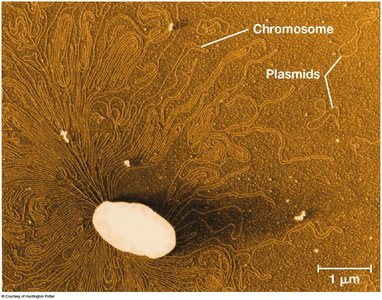
The genome is the complete set of DNA in a cell.
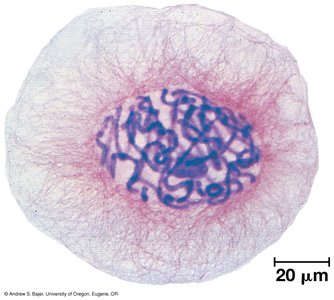
Prokaryotes typically have a single, circular DNA molecule, while eukaryotes have multiple, linear DNA molecules organized into chromosomes.
DNA is packaged with proteins into a complex called chromatin in eukaryotes.
Distribution of Chromosomes During Eukaryotic Cell Division
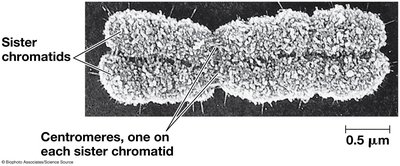
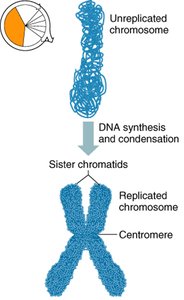
Before a cell divides, its DNA is replicated, resulting in two identical copies called sister chromatids, joined at a region called the centromere.
During cell division, sister chromatids are separated and distributed to daughter cells, ensuring genetic consistency.
The Cell Cycle
Phases of the Cell Cycle
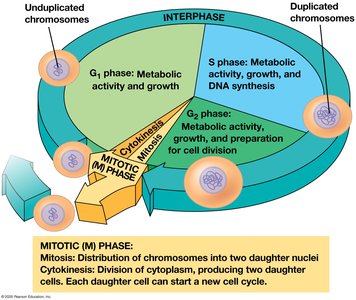
The cell cycle consists of Interphase (G1, S, G2 phases) and the Mitotic (M) phase.
G1 phase: Cell growth and normal metabolic roles.
S phase: DNA replication and chromosome duplication.
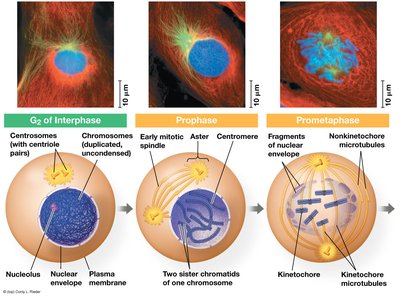
G2 phase: Preparation for cell division.
M phase: Mitosis and cytokinesis, resulting in two daughter cells.
Mitosis: Division of the Nucleus
Phases of Mitosis
Prophase: Chromosomes condense, spindle apparatus forms.
Prometaphase: Nuclear envelope breaks down, spindle fibers attach to kinetochores.
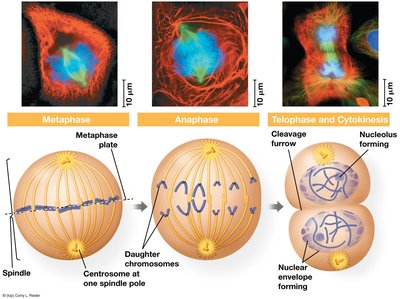
Metaphase: Chromosomes align at the metaphase plate.
Anaphase: Sister chromatids separate and move toward opposite poles.
Telophase: Nuclear envelopes reform around chromosomes, which decondense.
Cytokinesis: Division of the Cytoplasm
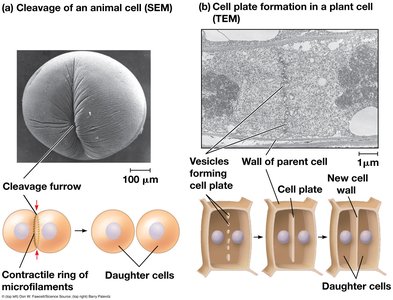
In animal cells, cytokinesis occurs by cleavage, forming a cleavage furrow that pinches the cell in two.
In plant cells, a cell plate forms, eventually developing into a new cell wall that separates the daughter cells.
Asexual Reproduction
Mechanisms of Asexual Reproduction
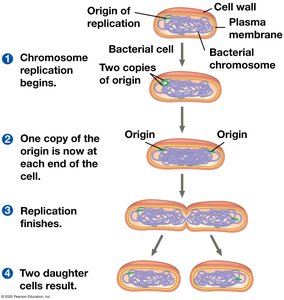
Binary fission: Common in prokaryotes (bacteria and archaea), where the cell divides into two genetically identical cells.
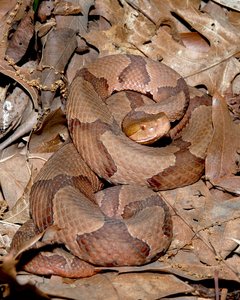
Parthenogenesis: Development of an organism from an unfertilized egg, observed in some insects, crustaceans, and reptiles.
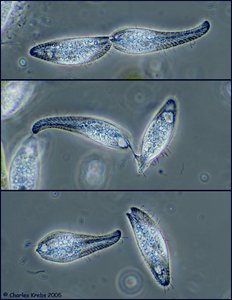
Some protozoans and plants also reproduce asexually through mitosis or specialized structures.
Evolution of Mitosis
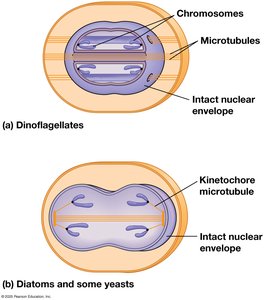
Mitosis in eukaryotes likely evolved from simpler mechanisms such as binary fission in prokaryotes.
Certain protists and yeasts exhibit cell division processes that are intermediate between binary fission and mitosis.
Summary Table: Comparison of Cell Division Mechanisms
Process | Organisms | Genetic Outcome | Key Features |
|---|---|---|---|
Mitosis | Eukaryotes (animals, plants, fungi, protists) | Genetically identical daughter cells | Five phases, involves spindle apparatus, nuclear envelope breakdown |
Binary Fission | Prokaryotes (bacteria, archaea) | Genetically identical daughter cells | Simple division, no spindle apparatus, single circular chromosome |
Parthenogenesis | Some animals (aphids, bees, Daphnia, lizards) | Clonal offspring from unfertilized eggs | No fertilization, can occur with or without meiosis |
Key Points to Remember
Mitosis ensures genetic consistency across generations of cells.
Asexual reproduction is efficient but limits genetic variation.
Only a small number of species reproduce exclusively by asexual means.
Understanding the cell cycle is crucial for studies in genetics, development, and disease.
