 Back
The Cell Cycle: Mitosis and Meiosis – Structure, Function, and Genetic Variation
Study Guide - Smart Notes
 Tailored notes based on your materials, expanded with key definitions, examples, and context.
The Cell Cycle: Mitosis and Meiosis
Introduction to Chromosomes and Cell Types
The cell cycle is a fundamental process in biology, ensuring the accurate transmission of genetic material during cell division. Understanding the structure of chromosomes and the distinction between cell types is essential for grasping the mechanisms of mitosis and meiosis.
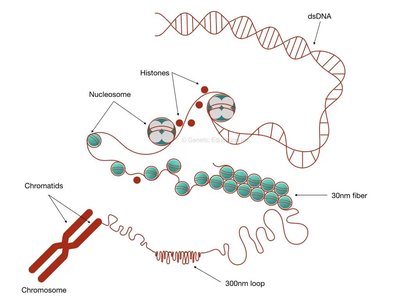
Chromosomes: Discrete units of genetic material, composed of DNA and proteins, that can be tightly or loosely compacted depending on the cell cycle stage.
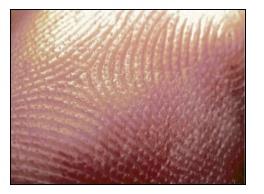
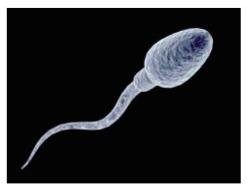
Germ-line cells: Cells that give rise to gametes (egg and sperm).
Somatic cells: All other cells in the body (e.g., skin, muscle, brain cells).
Levels of DNA Packaging
DNA is organized into chromosomes through several levels of packaging, which are crucial for efficient segregation during cell division.
Chromatin: The DNA-protein complex that forms eukaryotic chromosomes.
Autosomes: Non-sex chromosomes, present in homologous pairs.
Sex chromosomes: Chromosomes that determine biological sex (X and Y in humans).
Sister Chromatids and Chromosome Structure
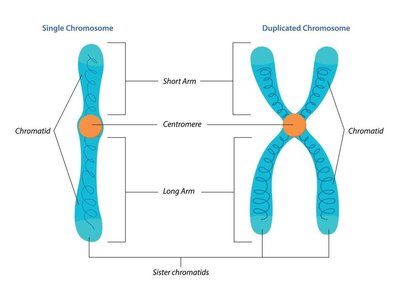
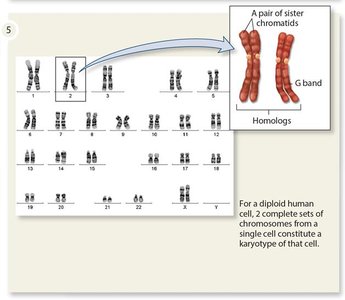
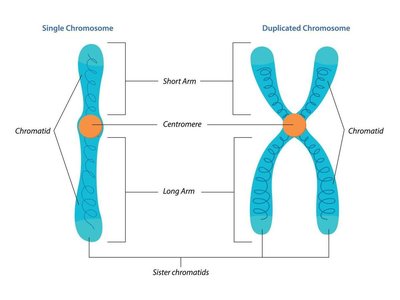
Before cell division, DNA is replicated, resulting in chromosomes composed of two identical sister chromatids joined at a centromere.
Sister chromatids: Identical copies of a chromosome, connected at the centromere.
Centromere: The region where sister chromatids are joined and where spindle fibers attach during division.
Chromosome Compaction
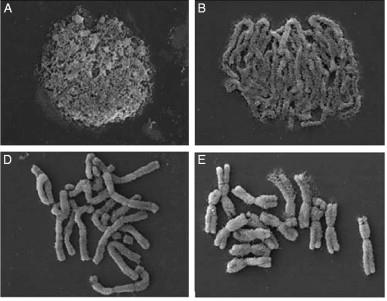
Chromosomes transition between loosely and tightly compacted states, which is essential for their visibility and segregation during cell division.
Karyotypes and Chromosome Sets
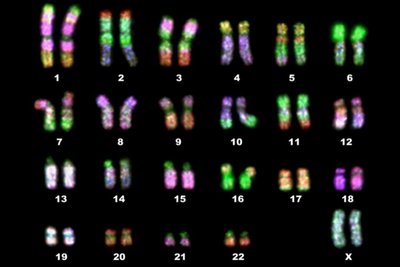
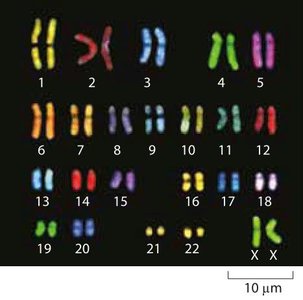
A karyotype is a photographic representation of an organism's chromosomes, revealing their number, size, and form. Humans have two sets of chromosomes (diploid, 2N = 46), with one set inherited from each parent.
Ploidy: The number of chromosome sets (e.g., diploid 2N, haploid 1N).
Autosomes: Chromosomes 1–22 in humans.
Sex chromosomes: XX (female), XY (male).
Homologous Chromosomes
In diploid cells, chromosomes exist in homologous pairs, which are similar but not identical. Homologs carry the same genes but may have different alleles. The X and Y chromosomes are not homologous.
Types of Cell Division: Mitosis and Meiosis
Asexual vs Sexual Reproduction
Cell division is essential for growth, development, and reproduction. There are two main types:
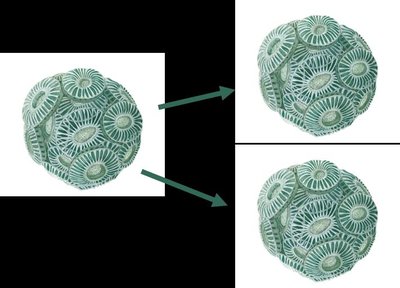
Asexual reproduction (Mitosis): Produces genetically identical cells from one parent.
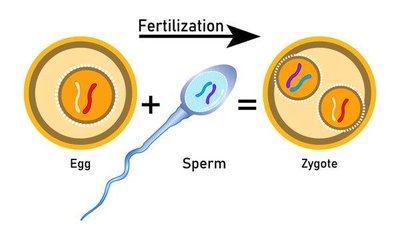
Sexual reproduction (Meiosis): Produces genetically diverse gametes from two parents.
Comparison of Mitosis and Meiosis
Process | Chromosome Duplication | Cell Divisions | Daughter Cells | Ploidy | Genetic Identity |
|---|---|---|---|---|---|
Mitosis | 1 | 1 | 2 | Diploid (2N) | Identical |
Meiosis | 1 | 2 | 4 | Haploid (1N) | Genetically different |
Mitosis: Mechanism and Significance
Overview and Functions
Mitosis is the process by which a eukaryotic cell divides to produce two genetically identical daughter cells. It is essential for growth, tissue repair, and asexual reproduction in multicellular organisms.
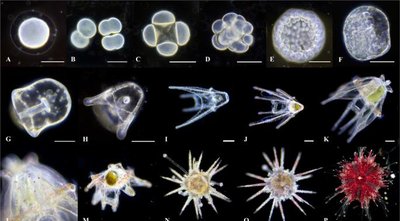
Development from a single fertilized egg (zygote)
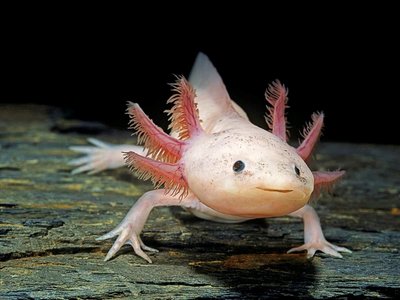
Growth and tissue regeneration
The Eukaryotic Cell Cycle
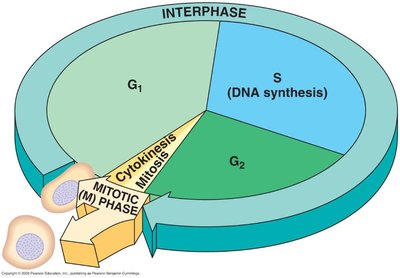
The cell cycle consists of interphase (G1, S, G2) and the mitotic (M) phase. Interphase is the period of cell growth and DNA replication, while the M phase includes mitosis and cytokinesis.
Stages of Interphase
G1 phase: Cell growth and preparation for DNA replication; G1 checkpoint ensures readiness for S phase.
S phase: DNA replication; chromosomes duplicate, forming sister chromatids.
G2 phase: Preparation for mitosis; G2 checkpoint ensures DNA has been accurately replicated.
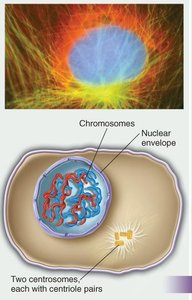
Mitosis: Phases and Key Events
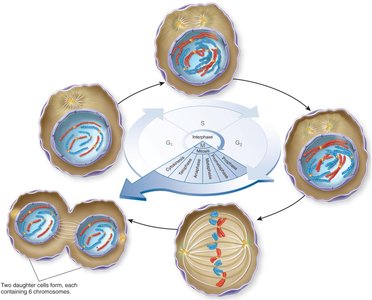
Prophase: Chromosomes condense, nuclear envelope breaks down, centrosomes move to poles.
Prometaphase: Nuclear envelope gone, spindle fibers attach to kinetochores.
Metaphase: Chromosomes align at the metaphase plate; spindle checkpoint ensures proper attachment.
Anaphase: Sister chromatids separate and move to opposite poles.
Telophase: Chromosomes decondense, nuclear envelopes reform.
Cytokinesis: Cytoplasm divides, forming two daughter cells.
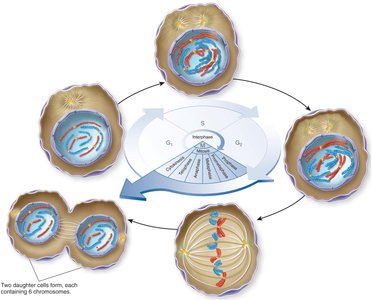
Cell Cycle Checkpoints
Checkpoints ensure the fidelity of cell division by monitoring and regulating the progression of the cell cycle. The main checkpoints are G1, G2, and the spindle (metaphase) checkpoint.
G1 checkpoint: Checks for cell size, nutrients, and DNA damage.
G2 checkpoint: Ensures DNA replication is complete and error-free.
Spindle checkpoint: Ensures all chromosomes are properly attached to spindle fibers before anaphase.
Cancer: Uncontrolled Cell Division
Mechanisms and Consequences
Cancer arises from mutations that disrupt normal cell cycle regulation, leading to uncontrolled cell division, tumor formation, and metastasis.
Tumor: A mass of abnormal cells; can be benign or malignant (cancerous).
Metastasis: Spread of cancer cells to other parts of the body.
p53 gene: A tumor suppressor that monitors DNA integrity and can trigger cell cycle arrest or apoptosis if damage is detected.
Meiosis: Mechanism and Genetic Variation
Role in Sexual Reproduction
Meiosis is a specialized form of cell division that reduces chromosome number by half, producing haploid gametes (egg and sperm) for sexual reproduction. Fertilization restores diploidy in the zygote.
Phases of Meiosis
Meiosis I: Homologous chromosomes separate, reducing chromosome number by half.
Meiosis II: Sister chromatids separate, similar to mitosis.
Key Events Unique to Meiosis
Synapsis: Homologous chromosomes pair up during prophase I, forming tetrads (bivalents).
Crossing over: Exchange of genetic material between homologous chromosomes, increasing genetic diversity.
Independent assortment: Random orientation of homologous pairs during metaphase I, leading to genetic variation in gametes.
Genetic Variation Mechanisms
Crossing over (prophase I): Produces recombinant chromosomes.
Independent assortment (metaphase I): Each gamete receives a random mix of maternal and paternal chromosomes.
Random fertilization: Any sperm can fertilize any egg, further increasing genetic diversity.
Number of possible combinations: (where n = haploid number). For humans, combinations per gamete.
Summary Table: Mitosis vs Meiosis
Feature | Mitosis | Meiosis |
|---|---|---|
Number of divisions | 1 | 2 |
Daughter cells produced | 2 | 4 |
Ploidy of daughter cells | Diploid (2N) | Haploid (1N) |
Genetic identity | Identical | Genetically unique |
Role | Growth, repair, asexual reproduction | Sexual reproduction, genetic diversity |
Conclusion
The cell cycle, through mitosis and meiosis, ensures the continuity of life, the maintenance of genetic integrity, and the generation of genetic diversity essential for evolution and adaptation. Understanding these processes is foundational for all areas of biology.
