 Back
The Cell Cycle: Structure, Function, and Regulation
Study Guide - Smart Notes
 Tailored notes based on your materials, expanded with key definitions, examples, and context.
The Cell Cycle
Overview and Importance
The cell cycle is a fundamental process in biology, responsible for the growth, development, and maintenance of all living organisms. It encompasses the sequence of events that cells undergo to replicate their DNA and divide, ensuring genetic continuity and proper function. - Cell division is essential for organismal growth, tissue repair, and reproduction. - The cell cycle is tightly regulated to prevent errors that could lead to diseases such as cancer. 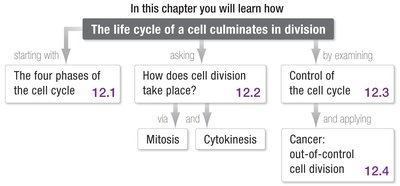
Main Phases of the Cell Cycle
The cell cycle consists of four main phases: G1, S, G2, and M. Each phase has distinct roles in cell growth and division. - G1 phase (First Gap): Cell grows and prepares for DNA replication. - S phase (Synthesis): DNA is replicated. - G2 phase (Second Gap): Cell prepares for mitosis, checks for DNA errors. - M phase (Mitosis and Cytokinesis): Chromosomes are separated and the cell divides. 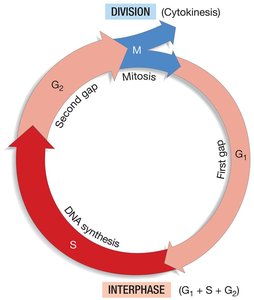
Chromosomes and Chromatin
Structure and Function
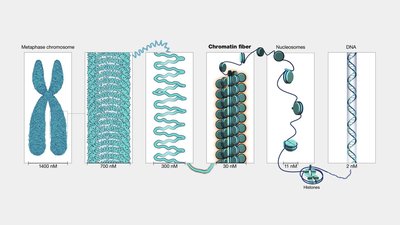
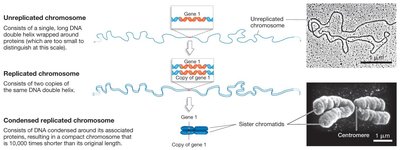
Chromosomes are highly organized structures composed of DNA and proteins. Chromatin is the less condensed form of DNA, which becomes tightly packed during cell division. - Chromatin: DNA-protein complex that forms chromosomes. - Chromosome: Condensed chromatin, visible during cell division. - Histones: Proteins around which DNA is wrapped, aiding in packaging. - Gene: Segment of DNA coding for a specific RNA and protein. 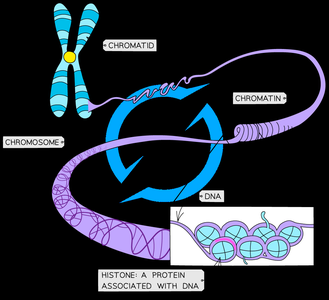
Cell Division: Mitosis and Meiosis
Mitosis
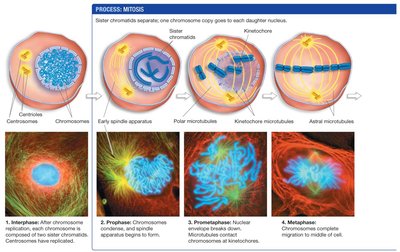
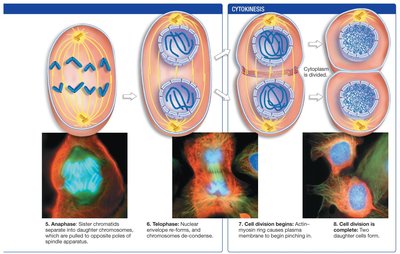
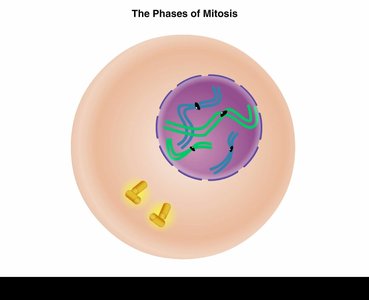
Mitosis is the process by which somatic cells divide, producing two genetically identical daughter cells. It is essential for growth, repair, and asexual reproduction. - Prophase: Chromatin condenses, spindle forms. - Prometaphase: Nuclear envelope breaks down, spindle attaches to chromosomes. - Metaphase: Chromosomes align at the cell equator. - Anaphase: Sister chromatids separate and move to opposite poles. - Telophase: Nuclear envelope reforms, chromosomes decondense. - Cytokinesis: Cytoplasm divides, forming two cells. 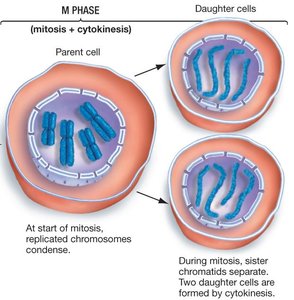
Meiosis
Meiosis produces gametes (sperm and egg cells) with half the genetic material of the parent cell, enabling sexual reproduction and genetic diversity. - Two rounds of division: Meiosis I and Meiosis II. - Results in four non-identical daughter cells. 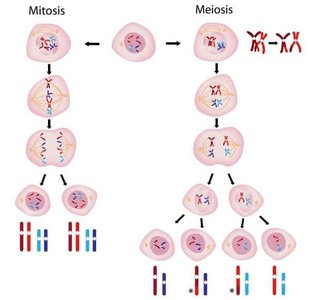
Regulation of the Cell Cycle
Cell-Cycle Checkpoints
The cell cycle is regulated by checkpoints that ensure proper progression and prevent errors. - G1 checkpoint: Assesses cell size, nutrients, growth signals, and DNA integrity. - G2 checkpoint: Ensures DNA replication is complete and undamaged. - M checkpoint: Confirms chromosomes are properly attached and separated. - G0 phase: Cells may exit the cycle and enter a quiescent state. 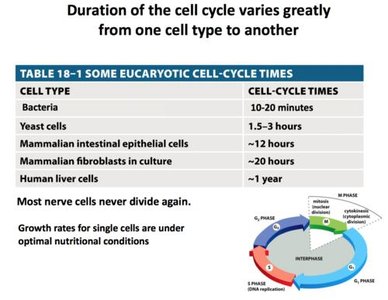
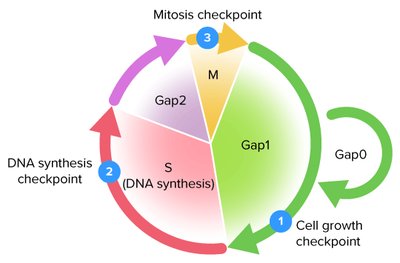
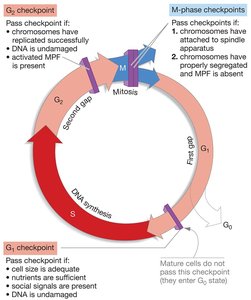
Table: Eukaryotic Cell-Cycle Times
The following table compares cell-cycle durations among different cell types:
Cell Type | Cell-Cycle Time |
|---|---|
Bacteria | 10-20 minutes |
Yeast cells | 1.5-3 hours |
Mammalian intestinal epithelial cells | ~12 hours |
Mammalian fibroblasts in culture | ~20 hours |
Human liver cells | ~1 year |
Summary of Key Terms
Chromatin: DNA and protein complex forming chromosomes.
Chromosome: Condensed chromatin visible during cell division.
Sister chromatids: Identical copies of a chromosome connected at the centromere.
Centromere: Region joining sister chromatids.
Kinetochores: Protein structures where spindle fibers attach.
Centrosome: Microtubule organizing center.
Microtubules: Cytoskeletal filaments forming the spindle apparatus.
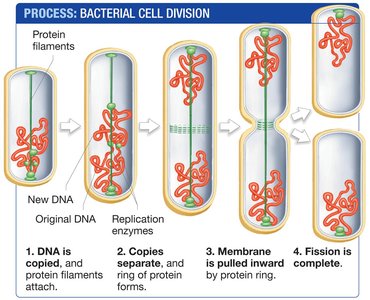
Binary fission: Bacterial cell division process.
Checkpoints: Regulatory points in the cell cycle.
p53 protein: Tumor suppressor involved in cell cycle regulation and apoptosis.
Equations and Academic Context
DNA Replication Formula
The amount of DNA doubles during the S phase:
Cell Division Formula
For mitosis: For meiosis:
Additional info:
Cell cycle regulation is crucial for preventing uncontrolled cell division, which can lead to tumor formation.
Binary fission in bacteria is analogous to mitosis in eukaryotes but simpler.
Cell-cycle checkpoints are often targets for cancer therapies.
