 Back
BackThe Chemical Basis of Life: Water’s Life-Supporting Properties
Study Guide - Smart Notes
 Tailored notes based on your materials, expanded with key definitions, examples, and context.
The Chemical Basis of Life
Water’s Life-Supporting Properties
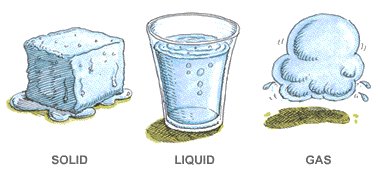
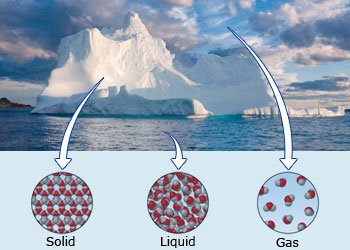
Water is essential for life due to its unique physical and chemical properties. It is the only substance that naturally exists in all three physical states—solid, liquid, and gas—on Earth, making it fundamental for biological processes.
Solid, Liquid, Gas: Water transitions between these states, supporting various life forms and environmental conditions.
Example: Ice, liquid water, and water vapor are all commonly found in nature.
Four Life-Supporting Properties of Water
Water’s molecular structure and interactions give rise to four key properties that support life:
Cohesion: Water molecules stick together due to hydrogen bonding.
Ability to regulate temperature: Water absorbs and releases heat with minimal temperature change.
Floatability of ice: Ice is less dense than liquid water, allowing it to float.
Universal solvent: Water dissolves a wide range of substances, facilitating chemical reactions and transport.
Properties of Water: Cohesion and Adhesion
Cohesion and Hydrogen Bonding
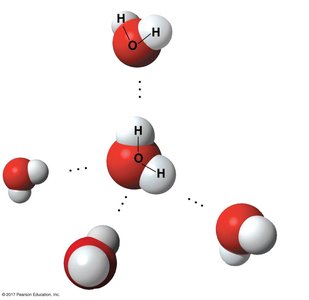
Cohesion is the tendency of water molecules to stick together, primarily due to hydrogen bonds. These bonds form between the slightly positive hydrogen atoms and slightly negative oxygen atoms of adjacent water molecules.
Hydrogen Bond: A weak bond between two water molecules, crucial for cohesion.
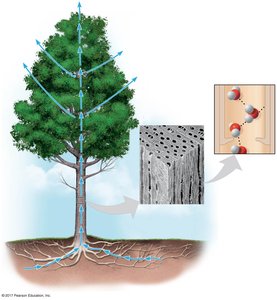
Cohesion: Enables water transport in plants and contributes to surface tension.
Adhesion: Water molecules stick to other substances, such as plant cell walls, aiding capillary action.
Adhesion and Capillary Action
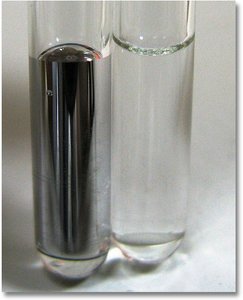
Adhesion allows water to cling to surfaces, such as the walls of plant vessels, resulting in capillary action. This process is essential for the upward movement of water in plants.
Meniscus: The curved surface of water in a tube, caused by adhesion.
Capillary Action: Movement of water against gravity in plants.
Surface Tension
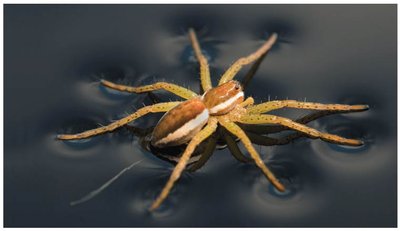
Surface tension is the measure of how difficult it is to break the surface of a liquid. Water’s high surface tension, due to hydrogen bonding, allows small objects and organisms to float or move on its surface.
Surface Tension: Enables insects and other small organisms to walk on water.
Example: A spider walking on water demonstrates water’s surface tension.
Properties of Water: Temperature Regulation
Water’s Heat Capacity
Water can absorb and release large amounts of heat with only slight changes in its own temperature. This property helps stabilize environmental and biological temperatures.
Heat Capacity: Water’s ability to moderate temperature is due to hydrogen bonding.
Example: Coastal regions have more stable temperatures compared to inland areas.

Evaporative Cooling
Evaporation is the process by which water changes from liquid to gas, absorbing heat in the process. The most energetic molecules leave, cooling the remaining liquid. This mechanism is vital for temperature regulation in organisms.
Evaporative Cooling: Helps maintain stable temperatures in living organisms and environments.
Example: Sweating in humans is a form of evaporative cooling.

Properties of Water: Floatability of Ice
Density and Structure of Ice
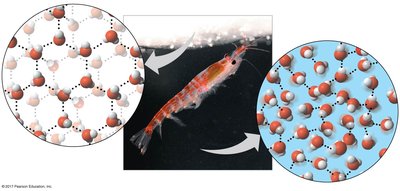
Ice floats on water because its hydrogen bonds are more ordered, making it less dense than liquid water. This property is crucial for aquatic life, as floating ice insulates the water below.
Hydrogen Bonding: Stable in ice, less stable in liquid water.
Density: Ice is less dense than liquid water.
Ecological Importance: Floating ice prevents bodies of water from freezing solid.
Properties of Water: Universal Solvent
Water as a Solvent
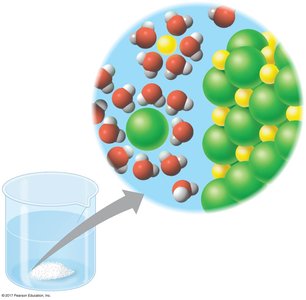
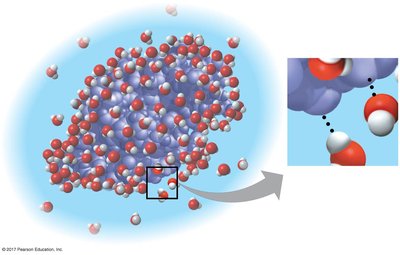
Water’s polarity allows it to dissolve a wide variety of substances, making it the universal solvent. This property is essential for transporting nutrients and wastes in biological systems.
Solution: Homogeneous mixture of substances.
Solvent: The dissolving agent (water).
Solute: The substance dissolved (e.g., salt).
Aqueous Solution: Water is the solvent.
Hydrophilic and Hydrophobic Substances
Polar substances (hydrophilic) dissolve in water, while nonpolar substances (hydrophobic) do not. This distinction is important for biological molecules and cellular processes.
Hydrophilic: Polar, water-soluble (e.g., salts, proteins, sugars).
Hydrophobic: Nonpolar, not water-soluble (e.g., oils).
The pH Scale and Acid-Base Chemistry
Dissociation of Water
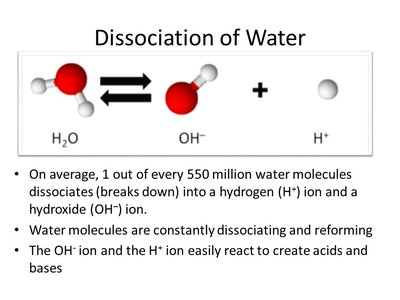
Water molecules can dissociate into hydrogen ions (H+) and hydroxide ions (OH–). The concentration of these ions determines the pH of a solution.
Dissociation:
pH: Defined as the negative logarithm of H+ concentration.
Neutral Solution: [H+] = [OH–], pH = 7.
Acids and Bases
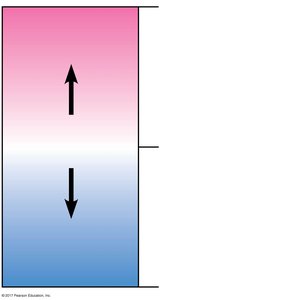
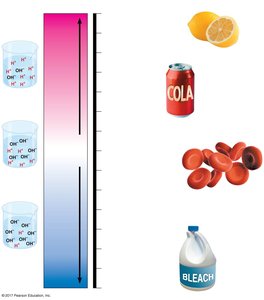
Acids increase the concentration of H+ ions, while bases decrease it. The pH scale ranges from 0 (most acidic) to 14 (most basic), with 7 being neutral.
Acid: Donates H+ ions.
Base: Accepts H+ ions or donates OH– ions.
Strong Acids/Bases: Dissociate completely in water.
Weak Acids/Bases: Partially dissociate, can shift the balance of H+ and OH–.
pH Scale in Biological Context
The pH scale is used to describe the acidity or basicity of solutions. Most biological fluids have pH values between 6 and 8. Changes in pH can significantly affect cellular chemistry.
Acidic Solutions: pH < 7.
Basic Solutions: pH > 7.
Biological Fluids: Typically pH 6–8.
Acidification: A Threat to Our Oceans
Ocean Acidification
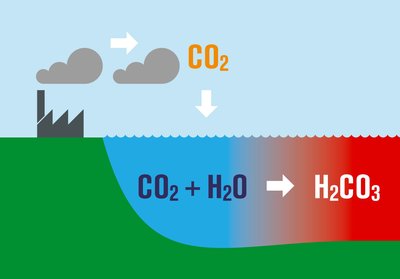
Human activities, such as burning fossil fuels, increase atmospheric CO2, which dissolves in oceans to form carbonic acid. This process lowers ocean pH and threatens marine life.
CO2 Absorption: Oceans absorb about 25% of human-generated CO2.
Carbonic Acid Formation:
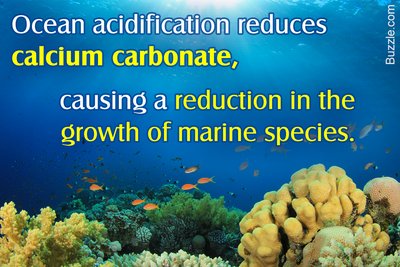
Impact: Reduces calcium carbonate, affecting marine organisms' shells and growth.
Buffers and Biological Importance
Buffer Systems
Buffers are substances that minimize changes in pH by accepting or donating H+ ions. Most living cells require a pH close to 7 for optimal function.
Buffer: Contains a weak acid and its corresponding base.
Function: Maintains stable pH in biological systems.
Summary Table: Life-Supporting Properties of Water
Property | Description | Biological Importance |
|---|---|---|
Cohesion | Water molecules stick together via hydrogen bonds | Enables water transport in plants |
Temperature Regulation | Absorbs/releases heat with minimal temperature change | Stabilizes environmental and organismal temperatures |
Floatability of Ice | Ice is less dense than liquid water | Insulates aquatic environments |
Universal Solvent | Dissolves a wide range of substances | Facilitates transport and chemical reactions |
Key Terms and Concepts
Atom: Basic unit of matter.
Chemical Element: Substance consisting of one type of atom.
Compound: Substance formed by the chemical combination of two or more elements.
Ionic, Covalent, Hydrogen Bonds: Types of chemical bonds with varying strengths and roles in biology.
Chemical Reaction: Process that changes substances into different ones.
pH Scale: Measures acidity/basicity of a solution.
Acid/Base: Substances that alter H+ concentration.
Buffer: Maintains stable pH in biological systems.
