 Back
The Chemical Context of Life: Atoms, Isotopes, and Chemical Bonds
Study Guide - Smart Notes
 Tailored notes based on your materials, expanded with key definitions, examples, and context.
The Structure of Atoms and Subatomic Particles
Subatomic Particles
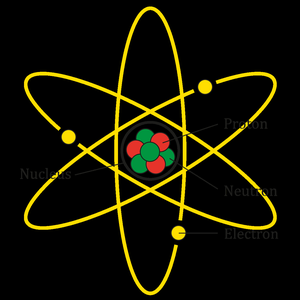
Atoms are composed of three primary subatomic particles: protons, neutrons, and electrons. The arrangement and properties of these particles determine the characteristics of each element.
Proton: Positively charged particle found in the nucleus; mass ≈ 1 dalton.
Neutron: Neutral particle found in the nucleus; mass ≈ 1 dalton.
Electron: Negatively charged particle found in electron shells surrounding the nucleus; mass ≈ 1/1836 dalton.
Example: The hydrogen atom contains one proton and one electron, but no neutrons.
Atomic Number and Atomic Mass
The atomic number and atomic mass are fundamental properties that describe an atom:
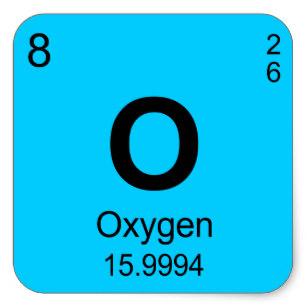
Atomic Number: The number of protons in the nucleus; defines the element.
Atomic Mass: The sum of protons and neutrons in the nucleus.
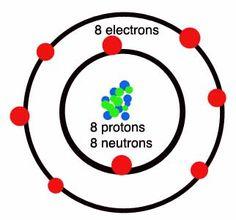
Example: Oxygen has an atomic number of 8 and an atomic mass of approximately 16.
Electron Shells and Energy Levels
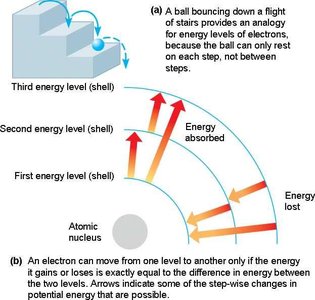
Electrons occupy specific energy levels or shells around the nucleus. The distribution of electrons among these shells determines the atom's reactivity and chemical properties.
Energy Levels: Electrons can move between energy levels by absorbing or releasing energy.
Valence Electrons: Electrons in the outermost shell; crucial for chemical bonding.
Isotopes and Their Applications
Isotopes
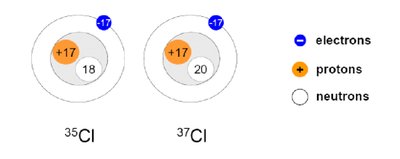
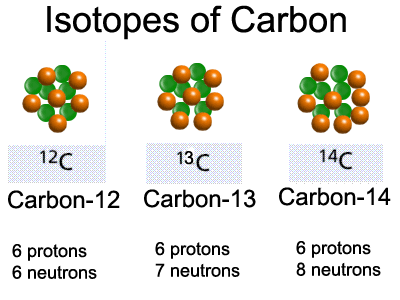
Isotopes are atoms of the same element with different numbers of neutrons. This results in different atomic masses but similar chemical properties.
Stable Isotopes: Do not undergo radioactive decay.
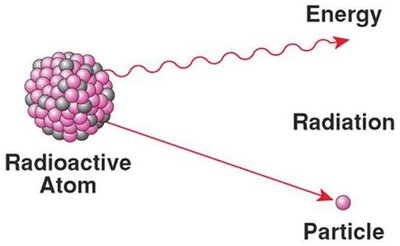
Radioactive Isotopes: Decay spontaneously, emitting energy and particles.
Types of Radioactive Decay
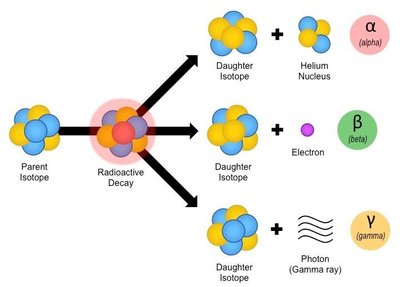
Radioactive isotopes decay via alpha, beta, or gamma emission:
Alpha Decay: Releases a helium nucleus; stopped by paper.
Beta Decay: Releases an electron; stopped by wood.
Gamma Decay: Releases a photon (gamma ray); stopped by lead.
Applications of Isotopes
Radioactive isotopes are used in medicine and scientific research:
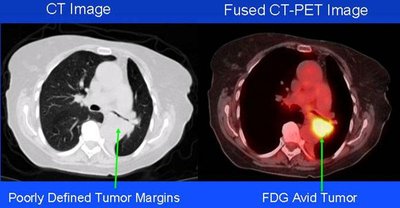
Radioactive Tracers: Used in imaging techniques such as CT and PET scans to trace biochemical pathways.
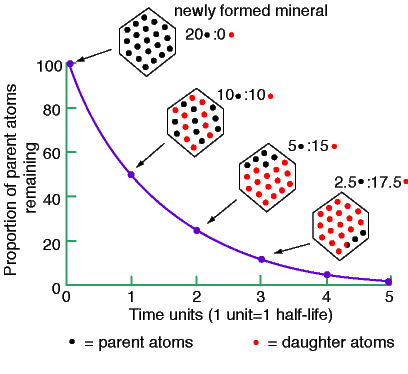
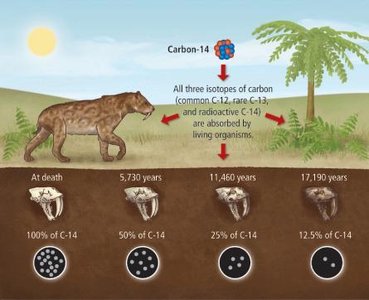
Radiometric Dating: Measures the ratio of parent to daughter isotopes to estimate the age of fossils and rocks.
Ions and Chemical Properties
Ions
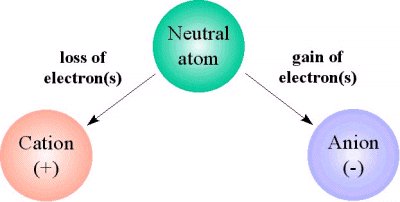
An ion is an atom or molecule with a net electric charge due to the loss or gain of electrons.
Cation: Positively charged ion (loss of electrons).
Anion: Negatively charged ion (gain of electrons).
Chemical Bonds and Molecule Formation
Covalent Bonds
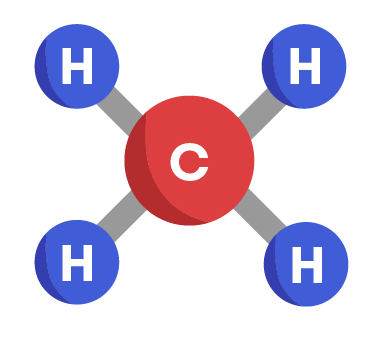
Covalent bonds form when two atoms share pairs of valence electrons. These bonds can be single, double, or triple, depending on the number of shared electron pairs.
Nonpolar Covalent Bonds: Electrons are shared equally.
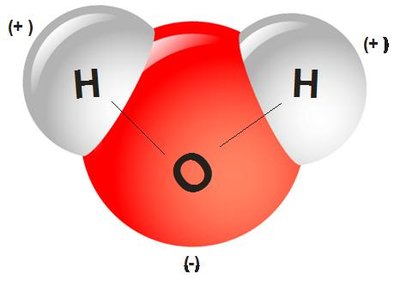
Polar Covalent Bonds: Electrons are shared unequally, creating partial charges.
Ionic Bonds
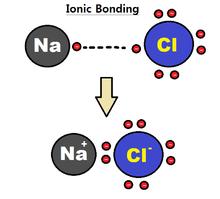
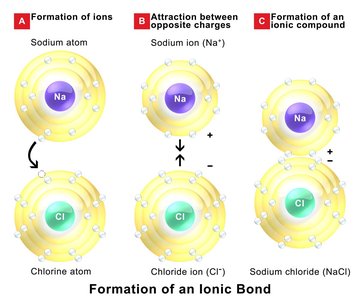
Ionic bonds form when electrons are transferred from one atom to another, resulting in the attraction between oppositely charged ions. Ionic compounds are commonly known as salts.
Example: Sodium chloride (NaCl) forms when sodium donates an electron to chlorine.
Hydrogen Bonds
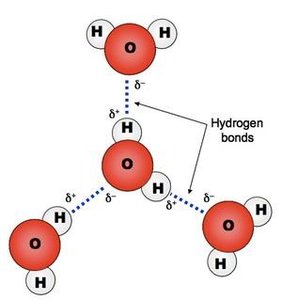
Hydrogen bonds are weak interactions between a hydrogen atom and an electronegative atom (such as oxygen or nitrogen). Despite their weakness, they are crucial for the structure of DNA, proteins, and water.
Example: Hydrogen bonds hold water molecules together.
Van der Waals Interactions
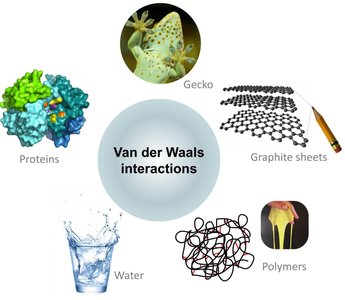
Van der Waals interactions are weak attractions between molecules due to temporary changes in electron distribution. Collectively, these interactions can be significant.
Example: Gecko feet use Van der Waals forces to adhere to surfaces.
Energy in Chemical Bonds
Bond Strength and Energy
Chemical bonds store energy. The stronger the bond, the more energy is released when it is broken. Bond types vary in energy content:
Hydrogen Bonds: Small energy.
Ionic Bonds: Moderate energy.
Covalent Bonds: Large energy, especially triple bonds.
Chemical Reactions and Equilibrium
Types of Chemical Reactions
Chemical reactions involve making and breaking chemical bonds. They are classified as:
Exothermic Reactions: Release energy by breaking bonds.
Endothermic Reactions: Absorb energy to form bonds.
Chemical Equilibrium
Reactions tend toward equilibrium, where the rates of forward and reverse reactions are equal. Living systems often avoid equilibrium to maintain life processes.
Key Terms Table
Term | Definition |
|---|---|
Proton | Positively charged particle in nucleus |
Neutron | Neutral particle in nucleus |
Electron | Negatively charged particle in shells |
Isotope | Atom with same protons, different neutrons |
Ion | Atom with net charge |
Covalent Bond | Shared electron pair |
Ionic Bond | Electrostatic attraction between ions |
Hydrogen Bond | Weak attraction involving hydrogen |
Van der Waals | Weak, temporary molecular attraction |
Formulas and Equations
Atomic Mass:
Half-life: where is the number of half-lives elapsed
Example: Carbon-14 dating uses the predictable decay of C-14 to estimate the age of fossils.
Additional info: The notes have been expanded to include definitions, examples, and academic context for clarity and completeness.
