 Back
The Chemical Context of Life: Elements, Atoms, and Biological Molecules
Study Guide - Smart Notes
 Tailored notes based on your materials, expanded with key definitions, examples, and context.
I. The Fundamental Chemical Organization of Life
What is Matter?
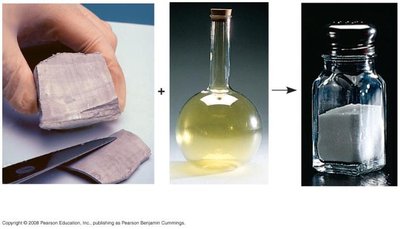
Matter is anything that takes up space and has mass. All organisms are composed of matter, which is made up of elements. An element is a substance that cannot be broken down to other substances by chemical reactions. There are 92 naturally occurring elements, which can exist in pure form or as part of compounds. A compound is a substance consisting of two or more elements in a fixed ratio, often with characteristics different from those of its constituent elements.
I.1 Essential Elements
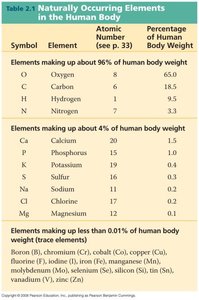
About 25 of the 92 elements are essential to life. The four major elements—carbon (C), hydrogen (H), oxygen (O), and nitrogen (N)—make up about 96% of living matter. Most of the remaining 4% consists of calcium (Ca), phosphorus (P), potassium (K), and sulfur (S). Trace elements are required by organisms in minute quantities but are still vital for life.
Symbol | Element | Atomic Number | Percentage of Human Body Weight |
|---|---|---|---|
O | Oxygen | 8 | 65.0 |
C | Carbon | 6 | 18.5 |
H | Hydrogen | 1 | 9.5 |
N | Nitrogen | 7 | 3.3 |
Ca | Calcium | 20 | 1.5 |
P | Phosphorus | 15 | 1.0 |
K | Potassium | 19 | 0.4 |
S | Sulfur | 16 | 0.3 |
Na | Sodium | 11 | 0.2 |
Cl | Chlorine | 17 | 0.2 |
Mg | Magnesium | 12 | 0.1 |
Elements making up less than 0.01% of human body weight (trace elements): Boron, Chromium, Cobalt, Copper, Fluorine, Iodine, Iron, Manganese, Molybdenum, Selenium, Silicon, Tin, Vanadium, Zinc | |||
I.2 Structure of Atoms
The properties of an element depend on the structure of its atoms. An atom is the smallest unit of matter that retains the properties of an element. Atoms are composed of subatomic particles: protons (positive charge), neutrons (no charge), and electrons (negative charge). Protons and neutrons are found in the atomic nucleus, while electrons form a cloud around the nucleus.
Atomic number: Number of protons in the nucleus
Mass number: Number of protons plus neutrons
Isotopes: Atoms of the same element with different numbers of neutrons; some are radioactive and used as tracers or in dating methods
I.3 Potential Energy
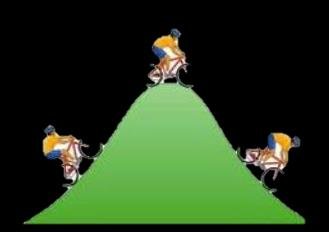
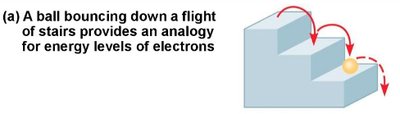
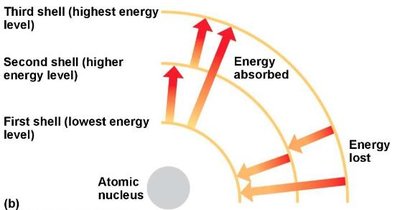
Energy is the capacity to cause change. Potential energy is the energy that matter possesses because of its location or structure. Electrons in an atom have different amounts of potential energy, depending on their energy level or electron shell.
Electrons can move between energy levels by absorbing or releasing energy.
I.4 Valence Electrons and Chemical Bonds
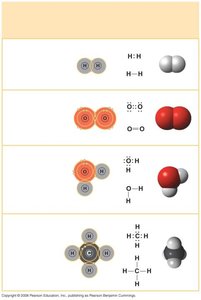
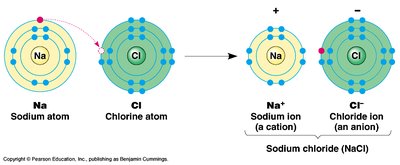
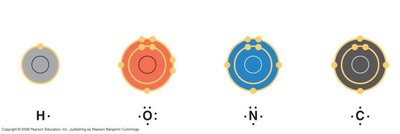
The chemical behavior of an atom is determined by the distribution of electrons in its electron shells, especially the valence electrons in the outermost shell. Atoms with incomplete valence shells tend to share or transfer electrons, forming chemical bonds that hold atoms together.
Covalent bonds: Sharing of valence electrons between atoms. Can be nonpolar (equal sharing) or polar (unequal sharing).
Ionic bonds: Transfer of electrons from one atom to another, resulting in oppositely charged ions that attract each other.
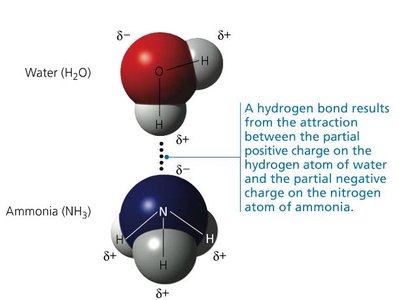
Hydrogen bonds: Weak bonds between a hydrogen atom covalently bonded to one electronegative atom and another electronegative atom (often O or N).
Van der Waals interactions: Weak attractions due to transient local partial charges.

Molecular Form and Biological Function
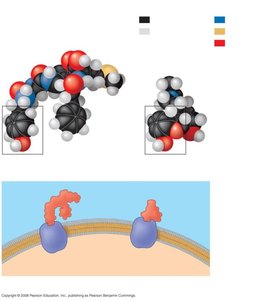
Weak chemical bonds (ionic, hydrogen, van der Waals) are important for reinforcing the shapes of large molecules and helping them adhere to each other. Biological molecules recognize and interact with each other based on molecular shape, and molecules with similar shapes can have similar biological effects.
Chemical Reactions
Chemical reactions involve the making and breaking of chemical bonds, reorganizing matter. For example, photosynthesis is a key biological reaction:
II. Water and Life
II.1 Water is Essential to Life
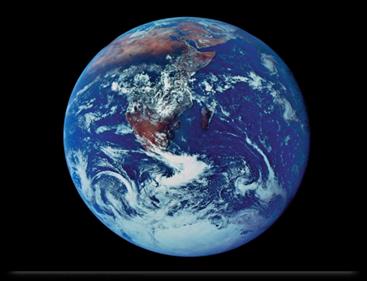
Water is the biological medium on Earth, making the planet habitable. It exists naturally as a liquid, solid (ice), or gas (vapor). All living organisms require water, and most cells are 70–95% water. Water is involved in many chemical reactions essential to life.
II.2 Polarity of Water Molecules and Hydrogen Bonding
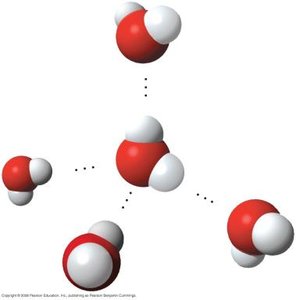
The water molecule is polar, with opposite ends having opposite charges. This polarity allows water molecules to form hydrogen bonds with each other, which is crucial for many of water's unique properties.
II.3 Four Emergent Properties of Water
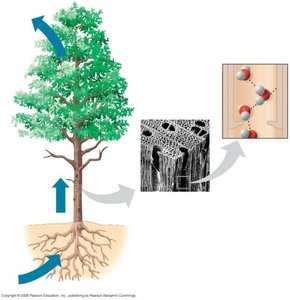
Cohesive behavior: Hydrogen bonds hold water molecules together (cohesion), aiding water transport in plants and creating surface tension.
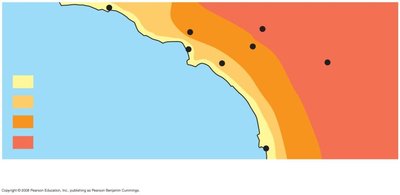
Ability to moderate temperature: Water has a high specific heat, minimizing temperature fluctuations and allowing life to persist.
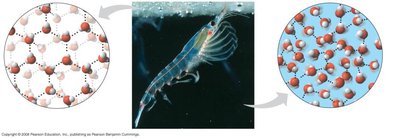
Expansion upon freezing: Ice is less dense than liquid water, allowing it to float and insulate aquatic life.
Versatility as a solvent: Water dissolves many substances, making it the fundamental solvent of life.
II.3.4 Water as a Solvent
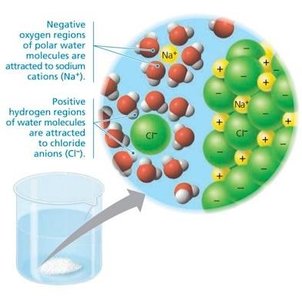
A solution is a homogeneous mixture of substances. The solvent is the dissolving agent, and the solute is the substance dissolved. An aqueous solution uses water as the solvent. Hydrophilic substances have an affinity for water, while hydrophobic substances do not. Water forms hydration shells around solutes, facilitating dissolution.
II.3.4 Acids, Bases, and Buffers
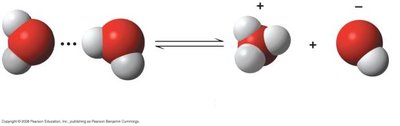
Water can dissociate into hydronium (H3O+) and hydroxide (OH–) ions. The pH scale measures the concentration of H+ ions; pH 7 is neutral, below 7 is acidic, and above 7 is basic. Buffers help maintain stable pH in biological systems.
III. Carbon and Molecular Diversity of Life
III.1 The Four Bonds of Carbon
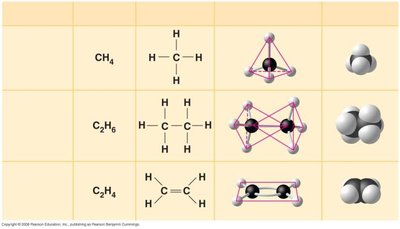
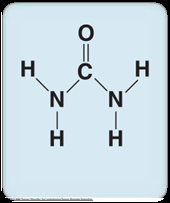
Carbon atoms have four valence electrons, allowing them to form four covalent bonds. This tetravalence enables the formation of large, complex, and diverse molecules, including proteins, DNA, and carbohydrates. Carbon can bond with many elements, most commonly hydrogen, oxygen, and nitrogen.
III.2 Molecular Diversity from Carbon Skeleton Variation
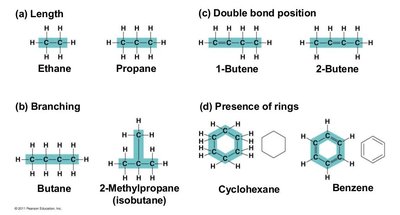
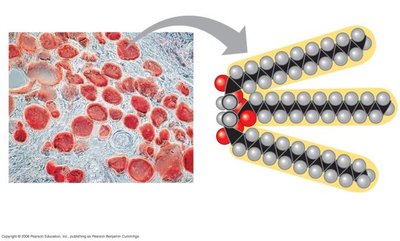
Organic molecules are formed by carbon chains that vary in length, branching, double bond position, and ring structure. Hydrocarbons are composed only of carbon and hydrogen, are hydrophobic, and store energy (e.g., fats).
Isomers
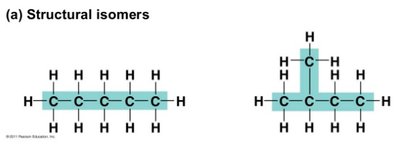
Structural isomers: Differ in covalent arrangements of atoms.
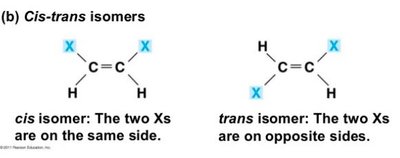
Cis-trans isomers: Same covalent bonds but different spatial arrangements.
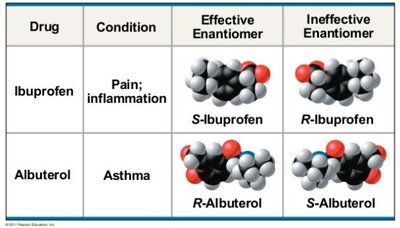
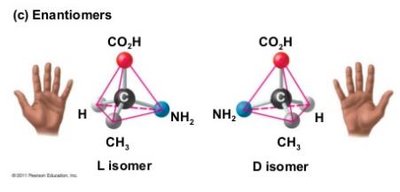
Enantiomers: Mirror images of each other; important in pharmaceuticals as only one form may be biologically active.
III.3 Key Chemical Groups
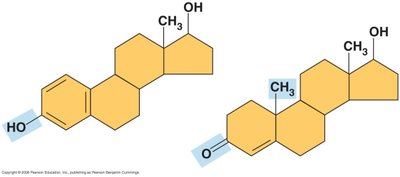
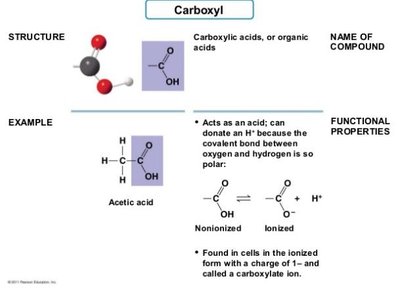
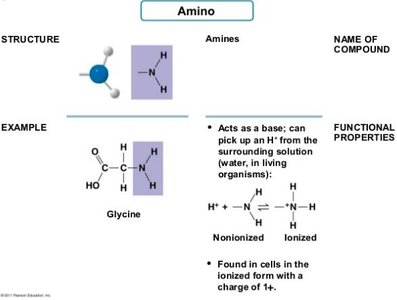
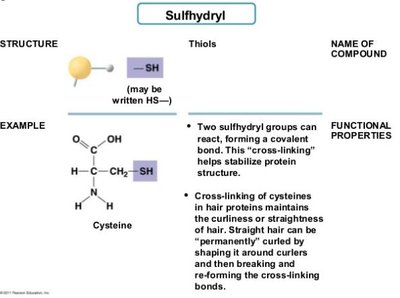
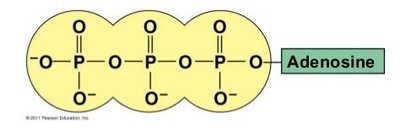
The properties of organic molecules depend on their carbon skeleton and functional groups. Seven functional groups are most important in the chemistry of life:
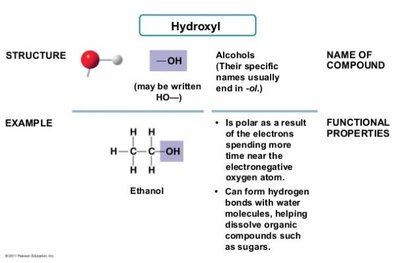
Hydroxyl group (–OH)
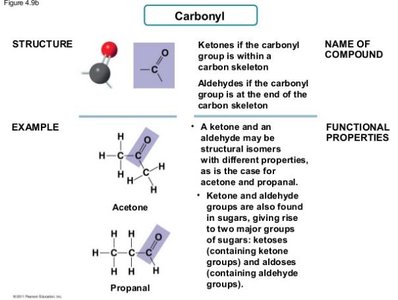
Carbonyl group (C=O)
Carboxyl group (–COOH)
Amino group (–NH2)
Sulfhydryl group (–SH)
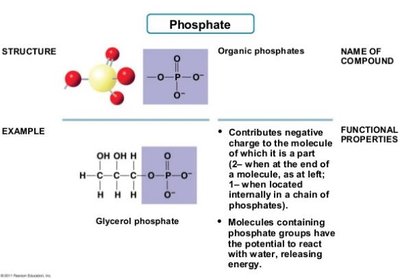
Phosphate group (–OPO32–)
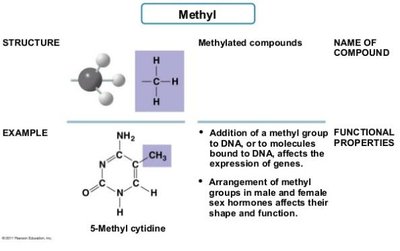
Methyl group (–CH3)
IV. Complex Organic Molecules
IV.1 Macromolecules
All living things are made up of four classes of large biological molecules: carbohydrates, lipids, proteins, and nucleic acids. These macromolecules are composed of thousands of covalently connected atoms, and their structure determines their function.
IV.2 Polymers Built from Monomers
A polymer is a long molecule consisting of many similar building blocks called monomers. Three of the four classes of life's organic molecules are polymers: carbohydrates, proteins, and nucleic acids. Polymers are synthesized by dehydration reactions (removal of water) and broken down by hydrolysis (addition of water).
IV.3 Carbohydrates
Carbohydrates serve as fuel and building material. They include:
Monosaccharides: Simple sugars (e.g., glucose, C6H12O6), classified by the location of the carbonyl group and the number of carbons.
Disaccharides: Two monosaccharides joined by a glycosidic linkage (e.g., sucrose, maltose).
Polysaccharides: Polymers of sugars with storage (starch in plants, glycogen in animals) or structural roles (cellulose in plants, chitin in arthropods and fungi).
IV.4 Lipids
Lipids are a diverse group of hydrophobic molecules, including fats, phospholipids, and steroids. Fats are composed of glycerol and fatty acids, and can be saturated (solid at room temperature) or unsaturated (liquid at room temperature). Phospholipids are major components of cell membranes, and steroids include cholesterol and hormones.
IV.5 Proteins
Proteins are polymers of amino acids and perform a wide range of functions, including catalysis (enzymes), structural support, transport, and defense. Protein structure is organized into four levels: primary, secondary, tertiary, and quaternary.
IV.6 Nucleic Acids
Nucleic acids (DNA and RNA) store and transmit hereditary information. They are polymers of nucleotides, each consisting of a nitrogenous base, a pentose sugar, and a phosphate group. DNA is double-stranded and contains deoxyribose; RNA is single-stranded and contains ribose.
Additional info: This guide covers the chemical basis of life, including atomic structure, chemical bonds, water properties, carbon chemistry, and the major classes of biological macromolecules. It is suitable for introductory college-level biology students.
