 Back
The Chemical Context of Life: Elements, Atoms, and Chemical Bonds
Study Guide - Smart Notes
 Tailored notes based on your materials, expanded with key definitions, examples, and context.
Elements, Atoms, and Compounds
Basic Concepts of Matter
All matter is composed of chemical elements, which are substances that cannot be broken down into other substances by chemical means. There are 92 naturally occurring elements, each with unique properties. The smallest unit of an element is the atom.
Element: Pure substance consisting of one type of atom (e.g., iron, mercury).
Atom: The smallest unit of an element that retains its properties.
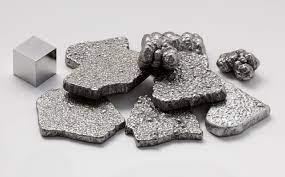
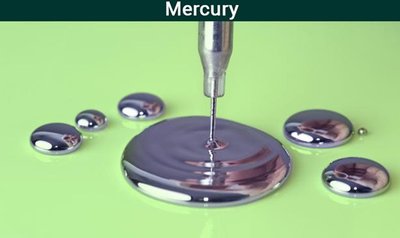
Elements are organized in the Periodic Table of Elements, which groups them based on their properties and atomic structure.
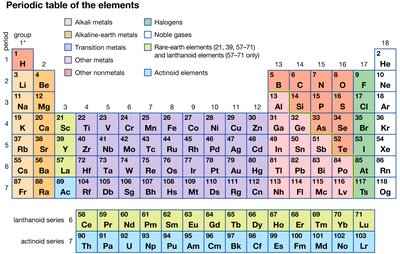
Each element is represented by a one- or two-letter symbol (e.g., O for Oxygen, Na for Sodium).
A compound is a substance consisting of two or more different elements combined in a fixed ratio. The smallest unit of a compound is a molecule.
Examples: Water (H2O), Table Salt (NaCl), Carbon Dioxide (CO2).
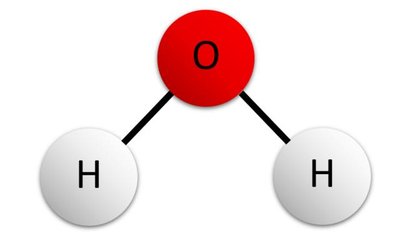
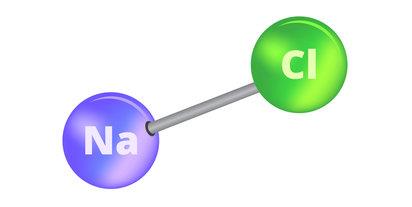
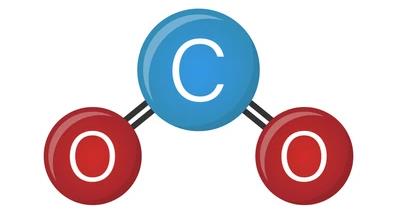
Combining elements to make a compound changes their overall characteristics. For example, sodium (a reactive metal) and chlorine (a poisonous gas) combine to form table salt (NaCl), which is safe to eat.
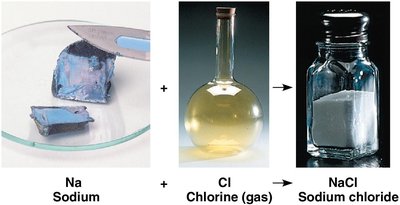
Elements of Life
Essential and Trace Elements
About 20–25% of the 92 natural elements are essential for life. Four elements—carbon (C), hydrogen (H), oxygen (O), and nitrogen (N)—make up about 96% of living matter. Other important elements include calcium, phosphorus, potassium, and sulfur.
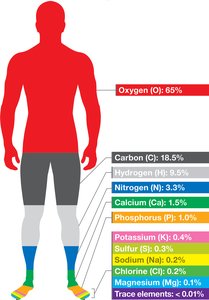
Trace elements are required in very small amounts but are vital for health. Examples include:
Boron: Important for bone health
Chromium: Involved in insulin function and blood sugar regulation
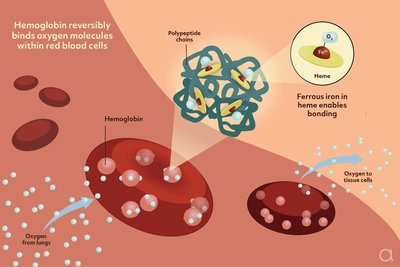
Iron: Essential for hemoglobin and oxygen transport in blood
Iodine: Needed for thyroid hormones
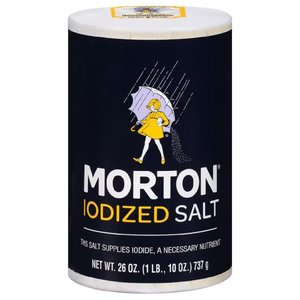
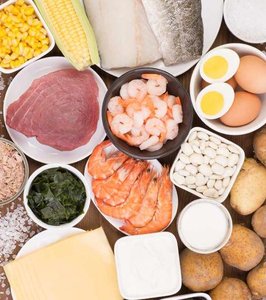
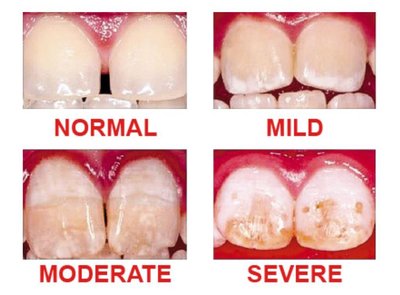
Deficiency in trace elements can lead to diseases. For example, lack of iodine causes goiter, and lack of iron causes anemia. To prevent deficiencies, foods are often fortified (e.g., iodized salt, fortified cereals).

Atomic Structure
Subatomic Particles
Atoms are composed of three types of subatomic particles:
Proton (p): Positively charged particle found in the nucleus
Neutron (n): Neutral particle found in the nucleus
Electron (e): Negatively charged particle orbiting the nucleus
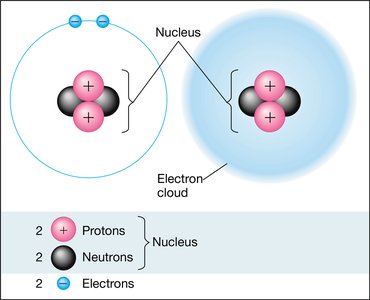
The number of protons determines the element's identity. Atoms are usually electrically neutral, meaning the number of protons equals the number of electrons.
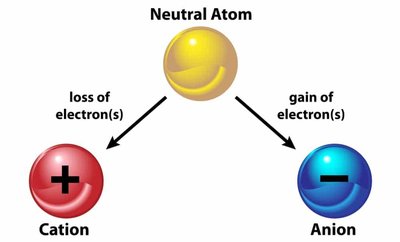
If an atom gains or loses electrons, it becomes an ion:
Cation: Positively charged ion (more protons than electrons)
Anion: Negatively charged ion (more electrons than protons)
The atomic number is the number of protons in an atom. The mass number is the sum of protons and neutrons. The atomic mass (measured in daltons, Da) is approximately equal to the mass number.
Isotopes
Atoms of the same element with different numbers of neutrons are called isotopes. Some isotopes are radioactive and can be used in medicine or dating fossils, but others can be harmful due to radiation.
Chemical Bonds
Electron Distribution and Valence Shells
Electrons are arranged in electron shells around the nucleus. The outermost shell is called the valence shell, and its electrons determine the atom's chemical behavior. Atoms tend to fill their valence shells, often following the octet rule (eight electrons in the outer shell).
1st shell: up to 2 electrons
2nd shell: up to 8 electrons
3rd shell: up to 8 electrons
Types of Chemical Bonds
Covalent Bonds: Atoms share pairs of electrons. These are the strongest bonds and form molecules (e.g., H2O, CO2).
Ionic Bonds: Electrons are transferred from one atom to another, forming ions that attract each other (e.g., NaCl).
Hydrogen Bonds: Weak bonds between a hydrogen atom and an electronegative atom (e.g., between water molecules).
Covalent Bonds
Single bond: Sharing one pair of electrons
Double bond: Sharing two pairs of electrons
Triple bond: Sharing three pairs of electrons
Covalent bonds can be nonpolar (equal sharing of electrons) or polar (unequal sharing, leading to partial charges).
Ionic Bonds
Formed when one atom donates an electron to another, resulting in oppositely charged ions that attract each other. For example, sodium (Na) donates an electron to chlorine (Cl), forming Na+ and Cl-, which combine to make NaCl (table salt).
Hydrogen Bonds
Weak attractions between a hydrogen atom in one molecule and an electronegative atom (like oxygen or nitrogen) in another. These bonds are crucial for the structure of water, proteins, and DNA.
Chemical Reactions
Making and Breaking Bonds
Chemical reactions involve the making and breaking of chemical bonds. The starting substances are called reactants, and the resulting substances are products. Chemical reactions obey the Law of Conservation of Mass: matter is neither created nor destroyed.
Reactions can be reversible, indicated by the symbol . At chemical equilibrium, the rate of the forward reaction equals the rate of the reverse reaction, and the concentrations of reactants and products remain constant.
Example equation:
Summary Table: Types of Chemical Bonds
Bond Type | Description | Example |
|---|---|---|
Covalent | Atoms share electrons | H2O, CO2 |
Ionic | Electrons transferred, forming ions | NaCl |
Hydrogen | Weak attraction between H and electronegative atom | Between water molecules |
Additional info: The properties of compounds depend on the arrangement and types of atoms involved, as well as the types of bonds formed between them. Understanding atomic structure and chemical bonding is foundational for all biological processes.
