 Back
The Chemical Context of Life: Elements, Atoms, and Biological Molecules
Study Guide - Smart Notes
 Tailored notes based on your materials, expanded with key definitions, examples, and context.
The Chemical Context of Life
I. The Fundamental Chemical Organization of Life
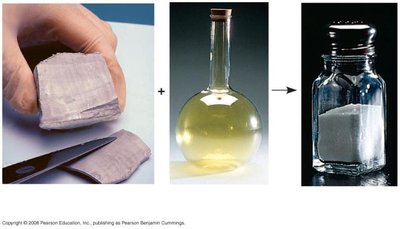
All living organisms are composed of matter, which is anything that takes up space and has mass. Matter is made up of elements, substances that cannot be broken down by chemical reactions. Compounds are substances consisting of two or more elements in a fixed ratio, often with properties distinct from their constituent elements.
Element: A pure substance consisting of only one type of atom.
Compound: A substance formed from two or more elements chemically combined in a fixed ratio.
Example: Table salt (NaCl) is a compound formed from sodium and chlorine, both of which have very different properties from the resulting salt.
I.1 Essential Elements
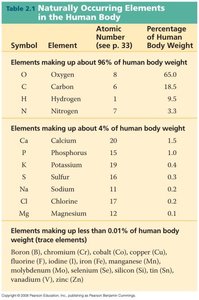
About 25 of the 92 naturally occurring elements are essential to life. Four elements—carbon, hydrogen, oxygen, and nitrogen—make up about 96% of living matter. The remaining 4% includes calcium, phosphorus, potassium, sulfur, and trace elements required in minute quantities.
Major elements: O, C, H, N
Minor elements: Ca, P, K, S, Na, Cl, Mg
Trace elements: Required in very small amounts (e.g., Fe, Zn, I)
Element | Atomic Number | Percentage of Human Body Weight |
|---|---|---|
Oxygen (O) | 8 | 65.0 |
Carbon (C) | 6 | 18.5 |
Hydrogen (H) | 1 | 9.5 |
Nitrogen (N) | 7 | 3.3 |
Calcium (Ca) | 20 | 1.5 |
Phosphorus (P) | 15 | 1.0 |
Potassium (K) | 19 | 0.4 |
Sulfur (S) | 16 | 0.3 |
Sodium (Na) | 11 | 0.2 |
Chlorine (Cl) | 17 | 0.2 |
Magnesium (Mg) | 12 | 0.1 |
I.2 Structure of Atoms
The properties of an element depend on the structure of its atoms. Atoms are composed of subatomic particles: protons, neutrons (in the nucleus), and electrons (in a cloud around the nucleus). The atomic number is the number of protons, while the mass number is the sum of protons and neutrons.
Isotopes: Atoms of the same element with different numbers of neutrons.
Radioactive isotopes: Unstable isotopes that decay, emitting radiation; used in dating and as tracers.
I.3 Potential Energy
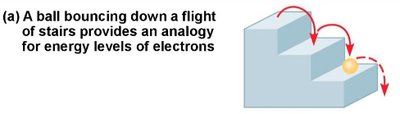
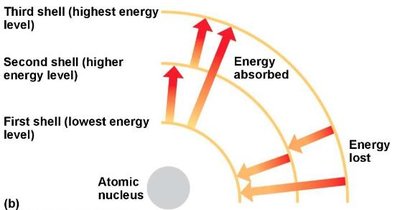
Energy is the capacity to cause change. Potential energy is the energy that matter possesses due to its location or structure. In atoms, electrons have different amounts of potential energy depending on their electron shell.
Electron shells: Electrons occupy specific energy levels around the nucleus.
Electrons can move to higher or lower energy levels by absorbing or releasing energy.

I.4 Valence Electrons and Chemical Bonds
The chemical behavior of an atom is determined by the distribution of electrons in its electron shells, especially the outermost shell (valence shell). Atoms with incomplete valence shells can share or transfer electrons, forming chemical bonds.
Covalent bonds: Sharing of electron pairs between atoms. Can be nonpolar (equal sharing) or polar (unequal sharing).
Ionic bonds: Transfer of electrons from one atom to another, resulting in oppositely charged ions that attract each other.
Hydrogen bonds: Weak bonds between a hydrogen atom covalently bonded to one electronegative atom and another electronegative atom (often O or N).
Van der Waals interactions: Weak attractions due to transient local charges.
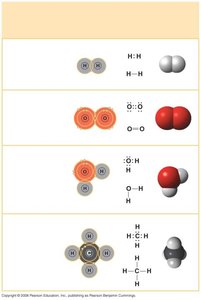
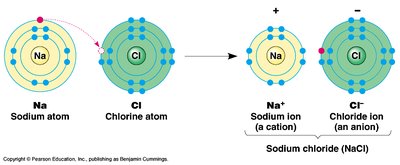
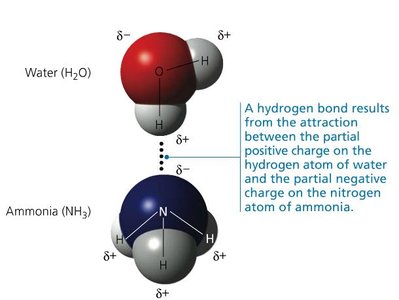

Molecular Form and Biological Function
Weak chemical bonds (ionic, hydrogen, van der Waals) are important for reinforcing the shapes of large molecules and for molecular recognition. Molecules with similar shapes can have similar biological effects.
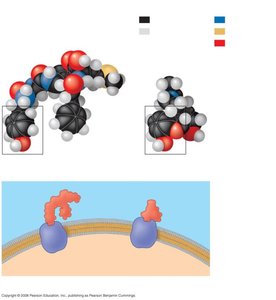
Chemical Reactions
Chemical reactions involve the making and breaking of chemical bonds, leading to the rearrangement of matter. For example, photosynthesis is a key biological reaction:
II. Water and Life
II.1 Water is Essential to Life
Water is the biological medium on Earth, making up 70–95% of cells. It exists naturally as a liquid, solid, or gas and is involved in many chemical reactions essential to life.

II.2 Polarity of Water Molecules and Hydrogen Bonding
Water is a polar molecule, with opposite ends having opposite charges. This allows water molecules to form hydrogen bonds with each other, giving rise to unique properties.
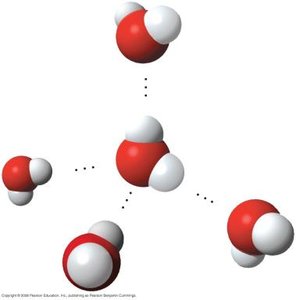
II.3 Four Emergent Properties of Water
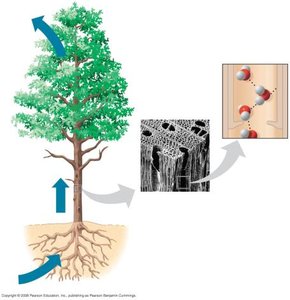
Cohesive behavior: Hydrogen bonds hold water molecules together (cohesion), aiding water transport in plants and creating surface tension. Adhesion is the attraction between water and other substances.
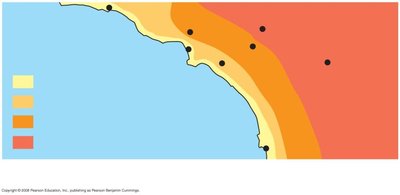
Ability to moderate temperature: Water has a high specific heat, minimizing temperature fluctuations. It absorbs heat when hydrogen bonds break and releases heat when they form.
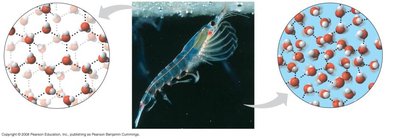
Expansion upon freezing: Ice is less dense than liquid water due to the stable hydrogen bonds in ice, allowing it to float and insulate aquatic life.
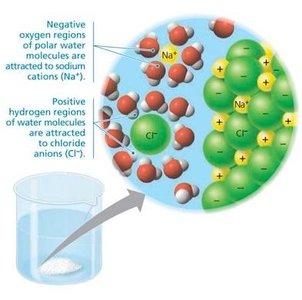
Versatility as a solvent: Water dissolves many substances due to its polarity, forming hydration shells around ions and polar molecules.
Acids, Bases, and Buffers
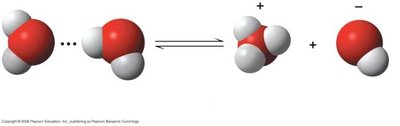
Water can dissociate into hydronium (H3O+) and hydroxide (OH–) ions. The pH scale measures the concentration of H+ ions. Buffers help maintain stable pH in biological systems.
III. Carbon and Molecular Diversity of Life
III.1 The Four Bonds of Carbon
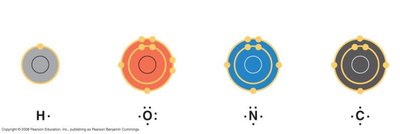
Carbon has four valence electrons, allowing it to form four covalent bonds and create large, complex molecules. Its most frequent bonding partners are hydrogen, oxygen, and nitrogen.
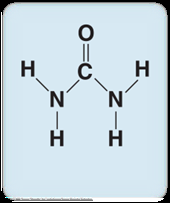
III.2 Molecular Diversity from Carbon Skeleton Variation
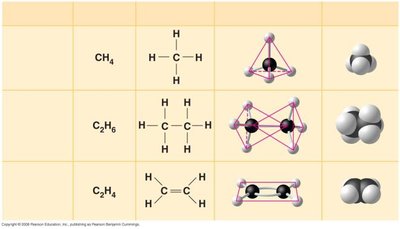
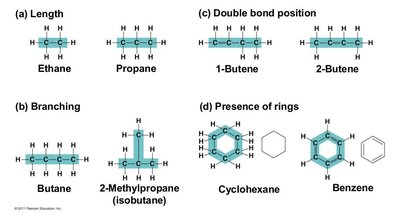
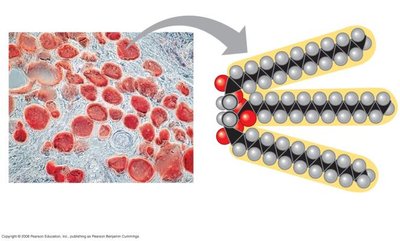
Carbon chains vary in length, branching, double bond position, and ring formation, leading to molecular diversity. Hydrocarbons are hydrophobic and store energy.
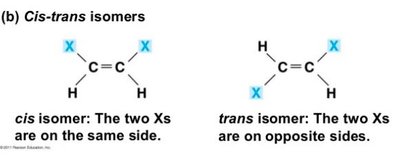
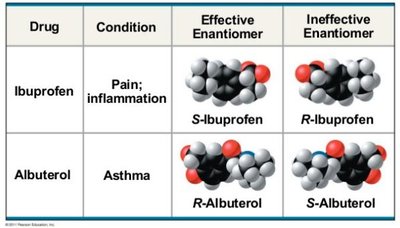
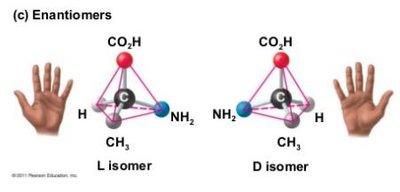
Isomers
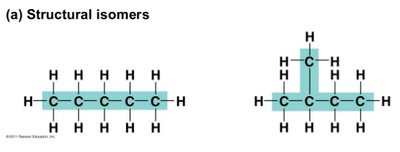
Structural isomers: Differ in covalent arrangement of atoms.
Cis-trans isomers: Same covalent bonds but different spatial arrangement.
Enantiomers: Mirror images; important in pharmaceuticals.
III.3 Key Chemical Groups
The properties of organic molecules depend on their carbon skeleton and functional groups. Seven functional groups are most important in biological chemistry: hydroxyl, carbonyl, carboxyl, amino, sulfhydryl, phosphate, and methyl.
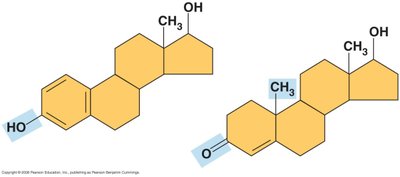
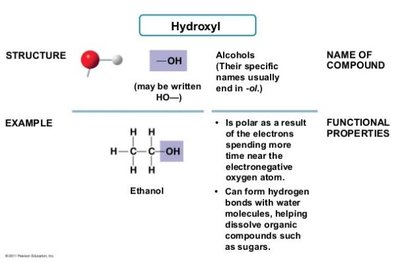
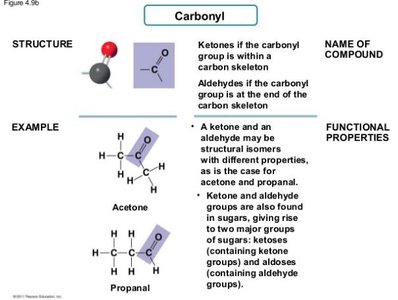
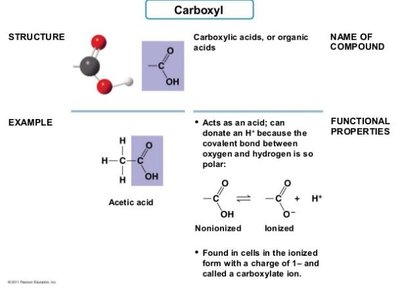
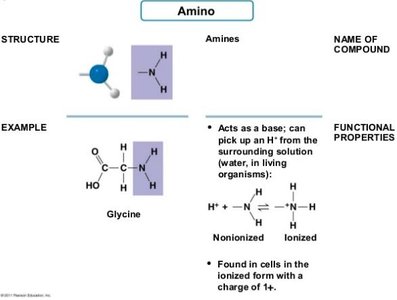
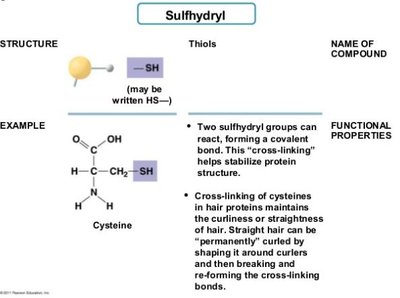
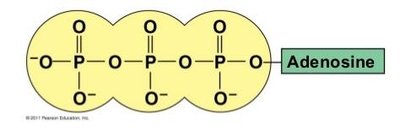
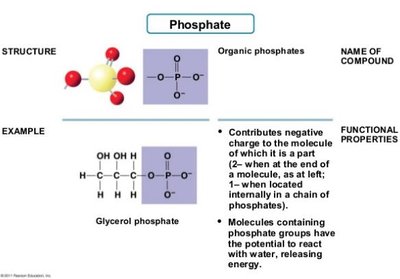
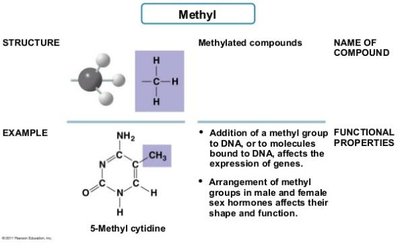
Additional info: Functional groups confer specific chemical properties, such as polarity, acidity, or the ability to form hydrogen bonds, which are critical for the structure and function of biomolecules.
