 Back
The Chemical Context of Life: Hydrogen Bonding and Water’s Properties
Study Guide - Smart Notes
 Tailored notes based on your materials, expanded with key definitions, examples, and context.
The Chemical Context of Life
Hydrogen Bonding in Water
Water’s unique properties arise from its molecular structure and the hydrogen bonds formed between its molecules. These properties are essential for life on Earth.
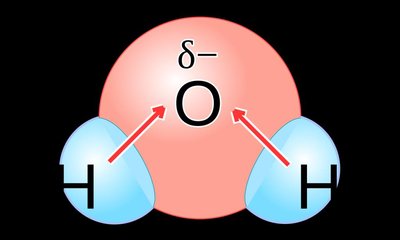
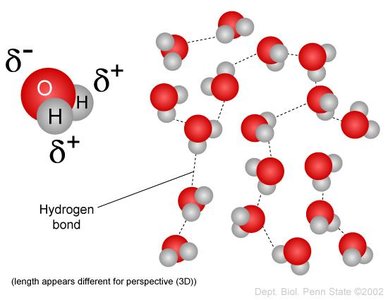
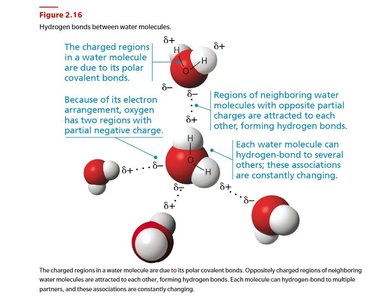
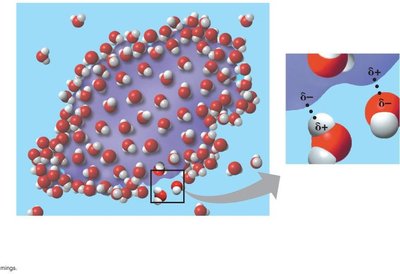
Polar Covalent Bonds: In a water molecule (H2O), oxygen is more electronegative than hydrogen, resulting in a partial negative charge (δ−) on the oxygen atom and partial positive charges (δ+) on the hydrogen atoms.
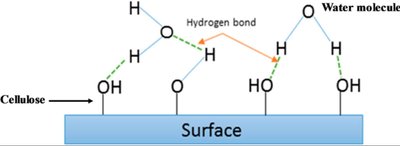
Hydrogen Bonds: The partial positive hydrogen of one water molecule is attracted to the partial negative oxygen of another, forming a weak, temporary, non-covalent hydrogen bond.
Biological Importance: Hydrogen bonding is crucial for the structure and function of biomolecules and for the emergent properties of water that support life.
Emergent Properties of Water Due to Hydrogen Bonding
1. Cohesion and Adhesion
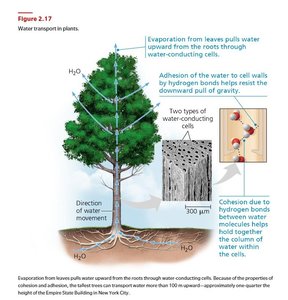
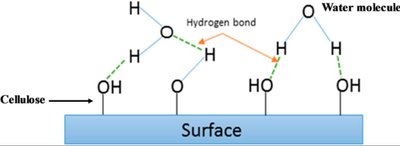
Hydrogen bonding gives water molecules the ability to stick to each other (cohesion) and to other substances (adhesion), which is vital for many biological processes.
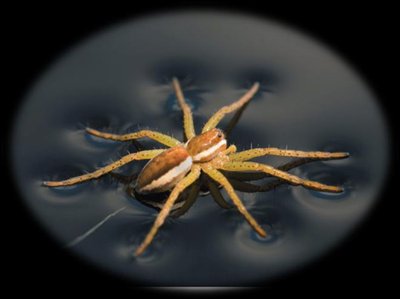
Cohesion: Water molecules stick together, creating surface tension. This allows small organisms, such as insects, to walk on water surfaces.
Adhesion: Water molecules stick to other polar or charged surfaces, aiding in processes like water transport in plants.
Example: Water transport in plants (transpiration) relies on both cohesion and adhesion to move water from roots to leaves against gravity.
2. Temperature Moderation
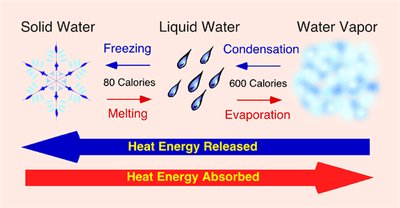
Water moderates temperature through its high specific heat and high heat of vaporization, both resulting from hydrogen bonding.
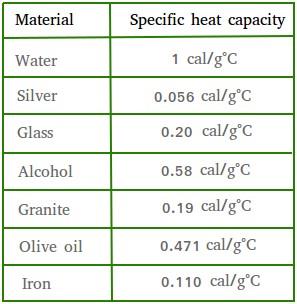
Specific Heat: The amount of heat required to change the temperature of 1g of a substance by 1°C. Water’s high specific heat (1 cal/g°C) allows it to resist temperature changes, stabilizing environments and organisms.
Heat of Vaporization: The quantity of heat a liquid must absorb for 1g to be converted from liquid to gas. Water’s high heat of vaporization enables evaporative cooling, which helps regulate temperature in organisms and environments.
Example: Coastal climates are moderated by the ocean’s ability to absorb and release heat slowly; sweating cools the body as water evaporates from the skin.
Material | Specific heat capacity (cal/g°C) |
|---|---|
Water | 1 |
Silver | 0.056 |
Glass | 0.20 |
Alcohol | 0.58 |
Granite | 0.19 |
Olive oil | 0.471 |
Iron | 0.110 |

3. Expansion Upon Freezing
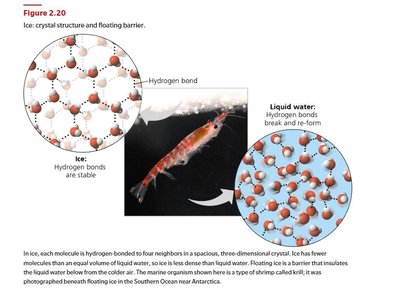
Unlike most substances, water expands as it freezes due to the formation of a crystalline lattice stabilized by hydrogen bonds. This makes ice less dense than liquid water, allowing it to float.
Biological Importance: Floating ice insulates the water below, providing a stable environment for aquatic life during cold periods.
Example: Ice cubes float in a glass of water; lakes do not freeze solid from the bottom up.
4. Water as a Versatile Solvent
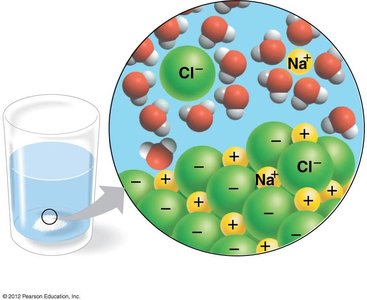
Water’s polarity allows it to dissolve many substances, making it an excellent solvent for ionic and polar molecules. This property is essential for biochemical reactions and transport in living organisms.
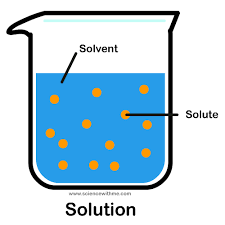
Solution: A homogeneous mixture of two or more substances.
Solvent: The dissolving agent (water in aqueous solutions).
Solute: The substance dissolved in the solvent.
Hydrophilic Substances: Polar or charged molecules that interact with water (e.g., salts, sugars).
Hydrophobic Substances: Nonpolar molecules that do not interact with water (e.g., oils, hydrocarbons).
Amphipathic Molecules: Molecules with both hydrophilic and hydrophobic regions (e.g., phospholipids in cell membranes).
Acids, Bases, and Buffers
Acids and Bases
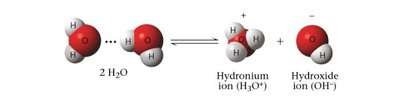
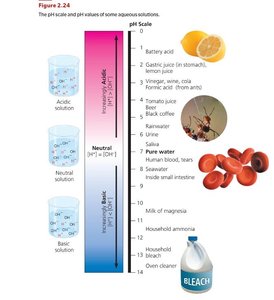
Acids and bases alter the concentration of hydrogen ions (H+) and hydroxide ions (OH−) in a solution, affecting pH and cellular processes.
Acids: Substances that increase H+ concentration in solution (e.g., HCl → H+ + Cl−).
Bases: Substances that decrease H+ concentration, either by accepting H+ or by dissociating to form OH− (e.g., NaOH → Na+ + OH−).
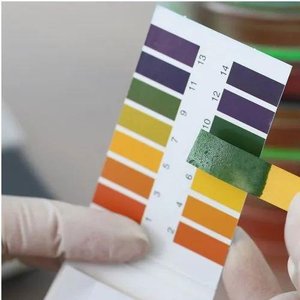
pH Scale: Measures the concentration of H+ in solution; each unit represents a tenfold change in H+ concentration.
Key Equations:
pH =
In pure water: M, pH = 7
Buffers
Buffers are mixtures of weak acids and bases that minimize changes in pH by accepting or donating H+ ions. They are vital for maintaining homeostasis in biological systems.
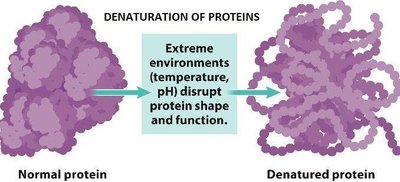
Function: Buffers stabilize pH in blood and cells, preventing harmful fluctuations that could denature proteins and disrupt cellular function.
Example: The bicarbonate buffer system in blood helps maintain a stable pH.
Additional info: Homeostasis is the maintenance of a stable internal environment, which is essential for proper enzyme and protein function.
