 Back
The Chemistry of Life: Biological Molecules and Their Properties
Study Guide - Smart Notes
 Tailored notes based on your materials, expanded with key definitions, examples, and context.
Chemistry of Life
Introduction
The chemistry of life is foundational to understanding biological processes. The structure and function of cells depend on the chemical properties of molecules, which influence their transport, reactivity, and roles in living systems. This section explores the major elements, functional groups, and classes of biological macromolecules essential for life.
Major Elements in Organic Molecules
Valence and Bonding Capacity
Organic molecules are primarily composed of carbon (C), hydrogen (H), oxygen (O), and nitrogen (N). The number of valence electrons determines how many bonds an atom can form, which is crucial for molecular structure and function.
Valence electrons: Electrons in the outermost shell that participate in bonding.
Bonding capacity: The number of covalent bonds an atom can form, determined by the number of electrons needed to fill its valence shell.
Carbon forms four bonds, allowing for complex branching and ring structures, making it ideal as the backbone of organic molecules.
Oxygen forms only two bonds, limiting its ability to serve as a molecular backbone.




Functional Groups
Definition and Importance
Functional groups are specific groups of atoms attached to carbon skeletons that determine the chemical properties and reactivity of organic molecules. The presence and arrangement of functional groups dictate the types of chemical reactions a molecule can undergo.
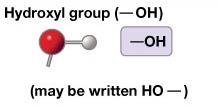
Hydroxyl group (–OH): Polar, increases solubility in water.
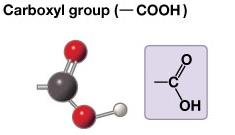
Carboxyl group (–COOH): Acts as an acid, can donate H+.
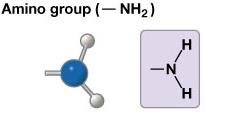
Amino group (–NH2): Acts as a base, can accept H+.
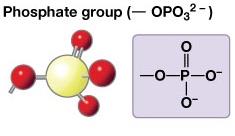
Phosphate group (–OPO32–): Involved in energy transfer (e.g., ATP).
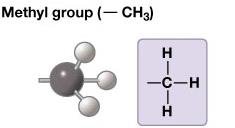
Methyl group (–CH3): Nonpolar, affects gene expression.
Classification of Biological Molecules
Four Major Classes
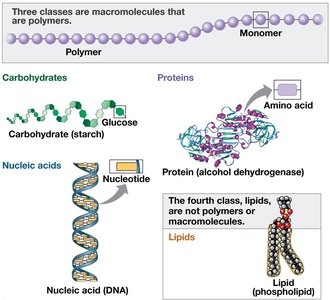
Biological macromolecules are classified into four main categories based on their structure and function:
Carbohydrates: Sugars and polymers of sugars; serve as fuel and structural materials.
Proteins: Polymers of amino acids; perform a wide range of functions including catalysis, structure, and transport.
Nucleic acids: DNA and RNA; store and transmit genetic information.
Lipids: Fats, phospholipids, and steroids; important for energy storage, membrane structure, and signaling. Lipids are not true polymers.
Carbohydrates
Structure and Function
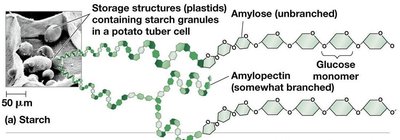
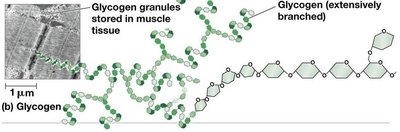
Carbohydrates are composed of monosaccharides (simple sugars) that can be linked to form polysaccharides. They serve as energy sources and structural components.
Monosaccharides: Glucose is a primary energy source.
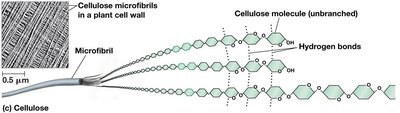
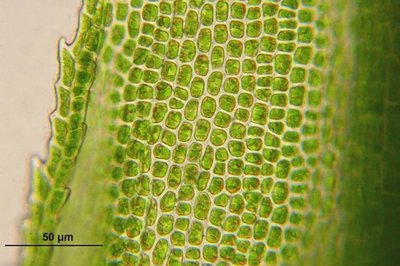
Polysaccharides: Starch (plants), glycogen (animals), and cellulose (plant cell walls).

Proteins
Structure and Function
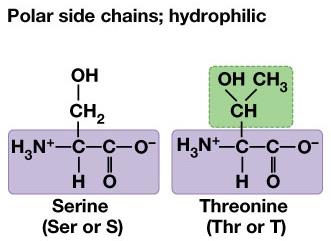
Proteins are polymers of amino acids. The sequence of amino acids determines the protein's structure and function. Each amino acid contains an amino group, a carboxyl group, and a unique side chain (R group).
Peptide bonds link amino acids to form polypeptides.
Protein function depends on its three-dimensional structure, which is determined by the sequence of amino acids.
Nucleic Acids
DNA and RNA
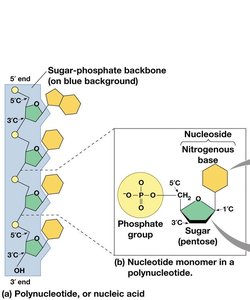
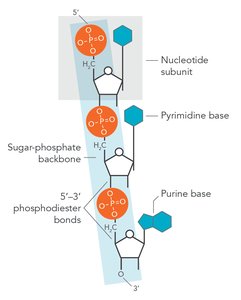
Nucleic acids are polymers of nucleotides. Each nucleotide consists of a sugar, a phosphate group, and a nitrogenous base. DNA and RNA store and transmit genetic information.
Phosphodiester bonds link nucleotides to form the sugar-phosphate backbone.
Nitrogenous bases: Adenine (A), Thymine (T), Cytosine (C), Guanine (G) in DNA; Uracil (U) replaces Thymine in RNA.
Lipids
Structure and Properties
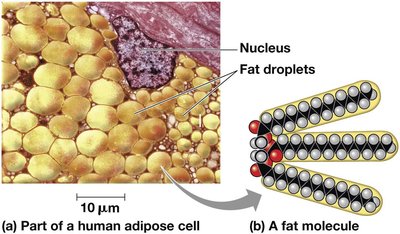
Lipids are hydrophobic molecules that include fats, phospholipids, and steroids. They are not true polymers because they are not composed of repeating monomer units.
Fats: Composed of glycerol and fatty acids; used for energy storage.
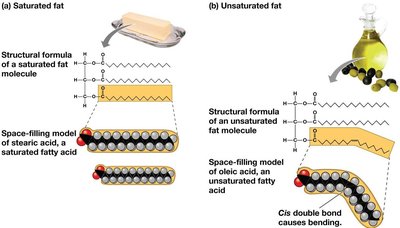
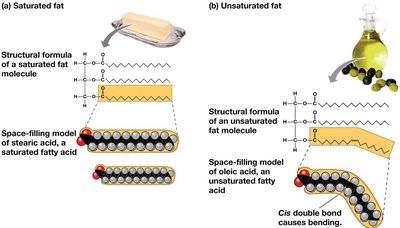
Saturated fats: No double bonds; pack tightly and are solid at room temperature.
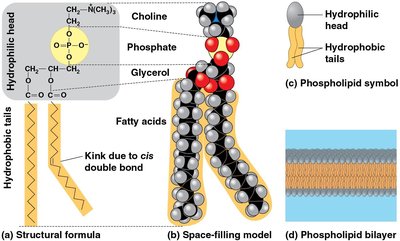
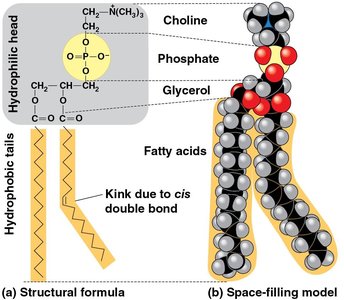
Unsaturated fats: One or more double bonds; kinks prevent tight packing, usually liquid at room temperature.
Phospholipids: Major component of cell membranes; have hydrophilic heads and hydrophobic tails, forming bilayers in water.
Hydrophilic vs. Hydrophobic Molecules
Solubility and Biological Importance
Hydrophilic molecules are attracted to water and dissolve easily due to their polar or ionic bonds. Hydrophobic molecules are nonpolar and do not mix well with water. Most biological macromolecules have both hydrophilic and hydrophobic regions, which is essential for membrane formation and function.
Polymerization and Hydrolysis
Formation and Breakdown of Polymers
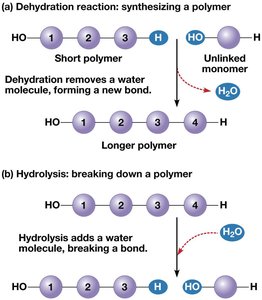
Polymers are formed by dehydration reactions, which remove water to link monomers. Hydrolysis is the reverse process, breaking polymers into monomers by adding water.
Dehydration reaction: Synthesizes polymers by removing water.
Hydrolysis: Breaks down polymers by adding water.
ATP: The Energy Currency of the Cell
Structure and Function
ATP (adenosine triphosphate) is a nucleotide that stores and transfers energy within cells. The bonds between phosphate groups are high-energy and can be easily broken to release energy for cellular processes.
ATP structure: Adenine base, ribose sugar, and three phosphate groups.
Energy release: Hydrolysis of the terminal phosphate bond releases energy.
Summary Table: Major Classes of Biological Molecules
Class | Monomer | Polymer | Function | Hydrophilic/Hydrophobic |
|---|---|---|---|---|
Carbohydrates | Monosaccharide | Polysaccharide | Energy, structure | Hydrophilic |
Proteins | Amino acid | Polypeptide | Catalysis, structure, transport | Both |
Nucleic acids | Nucleotide | DNA/RNA | Genetic information | Hydrophilic |
Lipids | Fatty acids, glycerol | Not true polymers | Energy storage, membranes | Hydrophobic |
Key Takeaways
All biological macromolecules have a carbon skeleton, which allows for structural diversity.
Functional groups determine the chemical reactivity and properties of molecules.
Carbohydrates, proteins, and nucleic acids are true polymers; lipids are not.
Hydrophilic and hydrophobic properties are essential for biological function, especially in membrane formation.
