 Back
The Chemistry of Living Things: Foundations for Human Biology
Study Guide - Smart Notes
 Tailored notes based on your materials, expanded with key definitions, examples, and context.
The Chemistry of Living Things
Introduction
This chapter explores the fundamental chemical principles that underpin human biology. Understanding the chemistry of living things is essential for grasping the structure and function of the human body, as all biological processes are rooted in chemical interactions.
Matter, Atoms, and Elements
Definition and Structure of Matter
Matter is anything that has mass and occupies space. It exists in three traditional states: solids, liquids, and gases. All matter is composed of atoms, which are the smallest units that participate in chemical reactions.
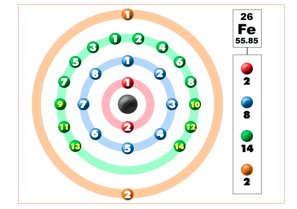
Atom: The smallest unit of matter, composed of protons (positive), neutrons (neutral), and electrons (negative).
Nucleus: The central part of the atom containing protons and neutrons.
Electrons: Orbit the nucleus in defined shells.
Isotopes
Isotopes are variants of elements with the same number of protons but different numbers of neutrons. Stability depends on the proton-to-neutron ratio.
Stable isotopes: Do not decay (e.g., carbon-12, carbon-13).
Unstable isotopes: Emit radiation as they decay (e.g., carbon-14).
Free Radicals
Free radicals are atoms or molecules with unpaired electrons in their outer shell, making them highly reactive. They can damage cellular structures, but antioxidants (e.g., vitamins C and E) help neutralize them.
Elements and the Periodic Table
An element is a pure substance consisting of only one type of atom. The periodic table organizes all known elements (~118) by their properties.
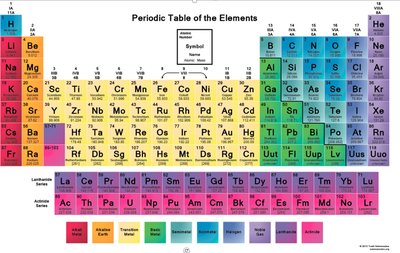
Key elements in living organisms: Oxygen, carbon, hydrogen, nitrogen, calcium, and phosphorus make up ~99% of the human body.
Chemical Bonding
Covalent and Hydrogen Bonds
Chemical bonds are essential for the formation of molecules and compounds. Covalent bonds involve the sharing of electrons, while hydrogen bonds are attraction forces between molecules.
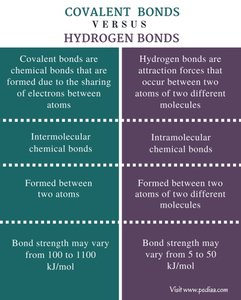
Covalent bonds: Strong bonds formed by sharing electrons between atoms.
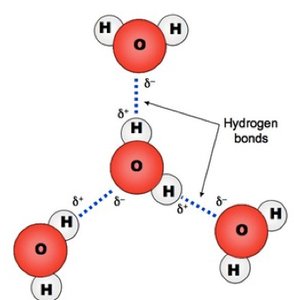
Hydrogen bonds: Weaker bonds formed between molecules, important in water and biological molecules.
Biochemistry: Organic and Inorganic Molecules
Inorganic Molecules: Water and Salts
Water is a polar molecule and the universal solvent, essential for dissolving substances and facilitating biological reactions. Salts dissociate into ions (electrolytes) in water, crucial for maintaining homeostasis.
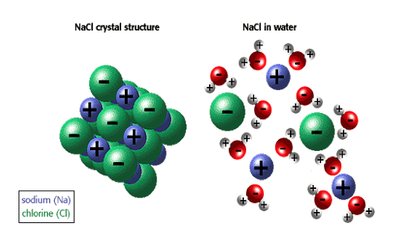
Electrolytes: Ions such as sodium, potassium, calcium, and iron that conduct electrical currents in solution.
Acids and Bases
Acids are proton donors, releasing H+ in solution, while bases are proton acceptors. Both are electrolytes and play roles in maintaining pH balance.
Acid example:
Base example:
Vitamins and Minerals
Vitamins and minerals are micronutrients essential for metabolism and structural functions. Minerals are used in their elemental form (e.g., calcium in bones).
Organic Molecules: Macromolecules and Their Functions
Monomers and Macromolecules
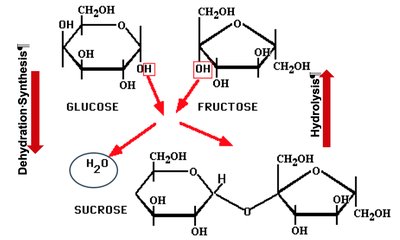
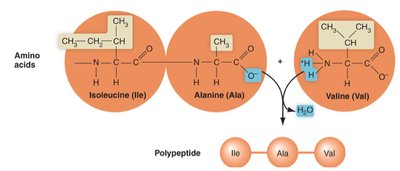
Organic molecules contain carbon and are often large, consisting of repeating subunits (monomers). Macromolecules are synthesized by dehydration synthesis and broken down by hydrolysis.
Carbohydrates
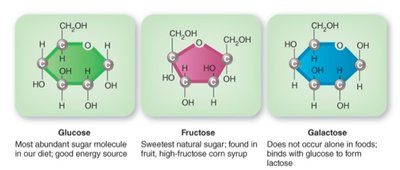
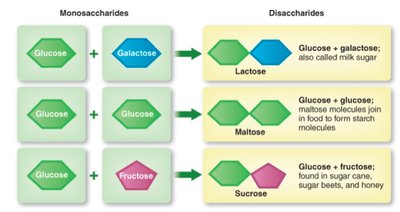
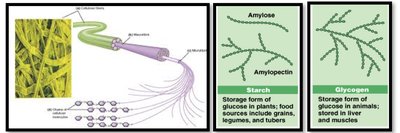
Carbohydrates provide energy and structural support. They are composed of carbon, hydrogen, and oxygen, and are classified as monosaccharides, disaccharides, and polysaccharides.
Monosaccharides: Simple sugars (e.g., glucose, fructose, galactose).
Disaccharides: Two monosaccharides joined (e.g., sucrose, lactose, maltose).
Polysaccharides: Long chains of monosaccharides (e.g., starch, glycogen, cellulose).
Lipids
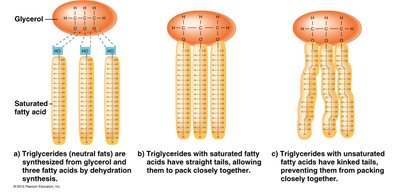
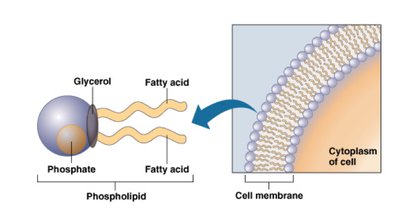
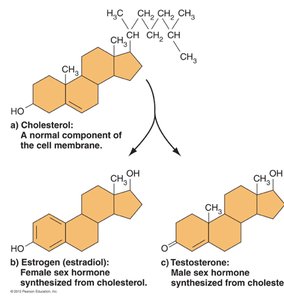
Lipids are hydrophobic molecules used for energy storage, cell membrane structure, and hormone synthesis. Types include triglycerides, phospholipids, and steroids.
Triglycerides: Energy storage molecules; can be saturated (straight tails) or unsaturated (kinked tails).
Phospholipids: Major component of cell membranes, with hydrophilic and hydrophobic regions.
Steroids: Four-ring structures, including cholesterol and hormones.
Proteins
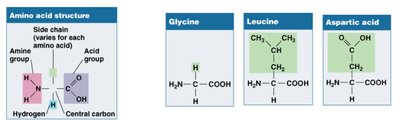
Proteins are polymers of amino acids, essential for structure, function, and regulation of the body's tissues and organs. There are 20 amino acids, classified as essential (must be obtained from diet) and non-essential (synthesized by the body).
Amino acid structure: Central carbon, amino group, carboxyl group, hydrogen, and variable side chain.
Protein synthesis: Amino acids are joined by peptide bonds via dehydration synthesis.
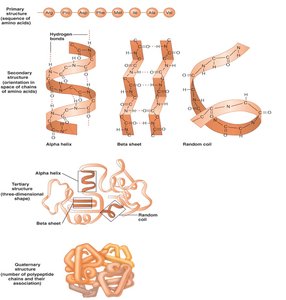
Protein structure: Primary (sequence), secondary (alpha helix, beta sheet), tertiary (3D shape), quaternary (multiple polypeptides).
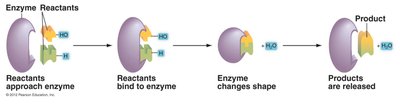
Enzymes: Proteins that catalyze biochemical reactions.
Nucleic Acids
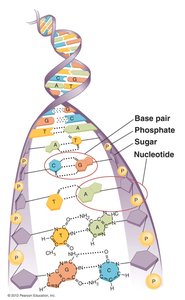
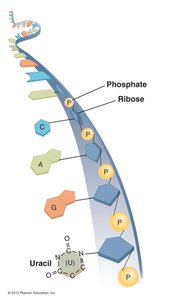
Nucleic acids (DNA and RNA) store and transmit genetic information. They are composed of nucleotides, each containing a sugar, phosphate, and nitrogenous base.
DNA: Double-stranded, contains deoxyribose, bases A, T, G, C.
RNA: Single-stranded, contains ribose, bases A, U, G, C.
ATP: The Universal Energy Carrier
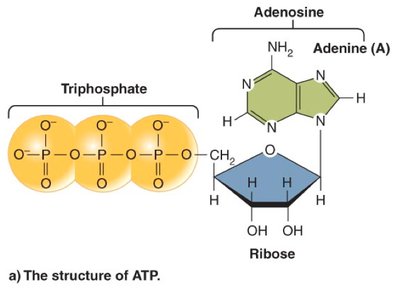
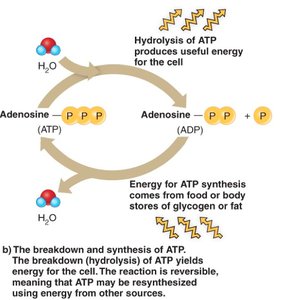
Adenosine triphosphate (ATP) is the primary energy carrier in cells. Energy is released when ATP is hydrolyzed to ADP and inorganic phosphate.
ATP hydrolysis:
Summary Table: Essential and Non-Essential Amino Acids
Essential Amino Acids | Non-Essential Amino Acids |
|---|---|
Histidine | Alanine |
Isoleucine | Arginine |
Leucine | Asparagine |
Lysine | Aspartic acid |
Methionine | Cysteine |
Phenylalanine | Glutamic acid |
Threonine | Glutamine |
Tryptophan | Glycine |
Valine | Proline |
Serine | |
Tyrosine |
Conclusion
The chemistry of living things forms the basis for understanding human biology. Mastery of these concepts is essential for further study in cell structure, physiology, genetics, and biochemistry.
