 Back
The Chromosomal Basis of Inheritance: Study Notes
Study Guide - Smart Notes
 Tailored notes based on your materials, expanded with key definitions, examples, and context.
Chapter 15: The Chromosomal Basis of Inheritance
Chromosomal Theory of Inheritance
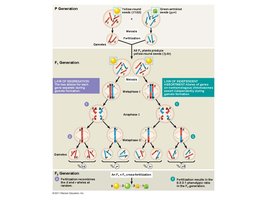
The chromosomal theory of inheritance, proposed by Sutton and Boveri in 1902, connects Mendel’s laws of inheritance to the behavior of chromosomes during meiosis and fertilization. This theory explains how chromosomes are sorted and combined to produce offspring with the same chromosome number as their parents.
Homologous chromosome pairs are independent of other pairs.
Chromosomes from each homologous pair are sorted randomly into gametes.
Gametes contain half the chromosome number of the parent.
Fertilization restores the diploid chromosome number.
The behavior of chromosomes during meiosis accounts for Mendel’s laws of segregation and independent assortment.
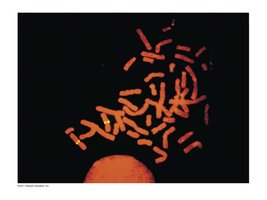
Correlating Gene Behavior with Chromosome Behavior
Modern cytology and genetics have revealed parallels between Mendel’s hereditary factors and chromosomes, especially during meiosis. The sorting and recombination of chromosomes explain the inheritance patterns observed by Mendel.
Thomas Hunt Morgan and Drosophila Experiments
Thomas Hunt Morgan provided the first solid evidence associating specific genes with specific chromosomes through experiments with Drosophila melanogaster (fruit flies). Morgan’s choice of fruit flies was due to their rapid generation time, high offspring numbers, and simple chromosome structure.
Wild type: Normal phenotype common in the population.
Mutant phenotype: Traits alternative to the wild type.
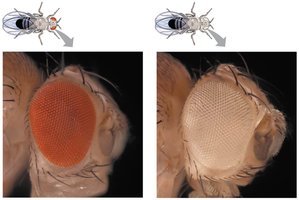
Morgan’s Eye Color Experiment
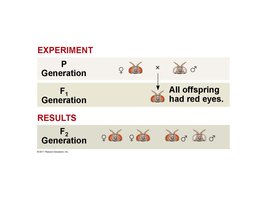
Morgan crossed red-eyed (wild type) and white-eyed (mutant) flies. He observed that only males had white eyes, indicating the white-eyed allele was located on the X chromosome.
Supported the chromosomal theory of inheritance.
Demonstrated sex-linked inheritance.
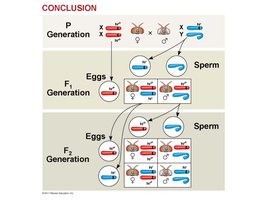
Sex-Linked Genes and Patterns of Inheritance
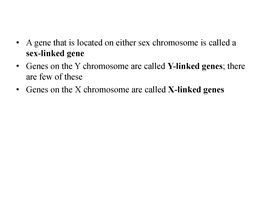
Genes located on sex chromosomes exhibit unique inheritance patterns. X-linked genes are found on the X chromosome, while Y-linked genes are found on the Y chromosome.
Sex-linked gene: Located on either sex chromosome.
X-linked gene: Located on the X chromosome.
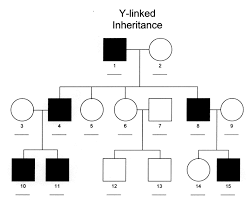
Y-linked gene: Located on the Y chromosome (few genes).
The Chromosomal Basis of Sex Determination
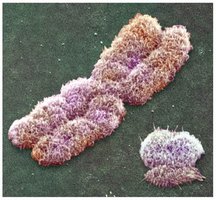
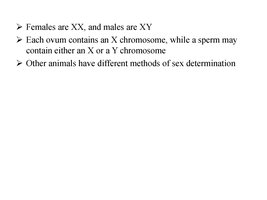
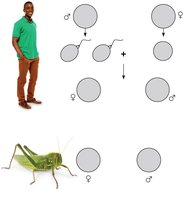
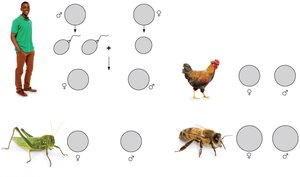
In humans and other mammals, sex is determined by the presence of X and Y chromosomes. Females are XX, and males are XY. The SRY gene on the Y chromosome triggers male development.
Each ovum contains an X chromosome.
Sperm may contain either an X or a Y chromosome.
Other animals have different sex determination systems.
Inheritance of X-Linked Genes
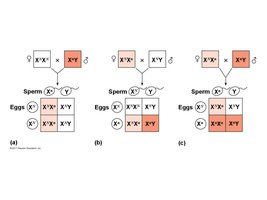
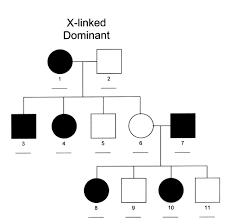
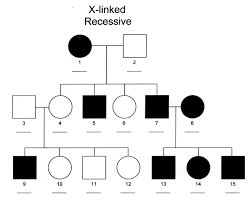
X-linked genes follow specific inheritance patterns. For a recessive X-linked trait to be expressed, females need two copies of the allele, while males need only one. X-linked recessive disorders are more common in males.
Examples: Color blindness, Duchenne muscular dystrophy, hemophilia.
X Inactivation in Female Mammals
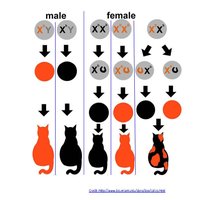
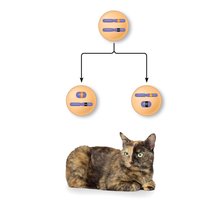
In female mammals, one X chromosome in each cell is randomly inactivated during embryonic development, forming a Barr body. Heterozygous females are mosaics for X-linked traits.
Example: Mosaic fur color in female cats.
Linked Genes and Genetic Recombination
Linked genes are located near each other on the same chromosome and tend to be inherited together. Morgan’s experiments showed that linkage is not absolute due to crossing over, which produces recombinant phenotypes.
Linked genes: Genes located close together on the same chromosome.
Genetic recombination: Production of offspring with combinations of traits differing from either parent.
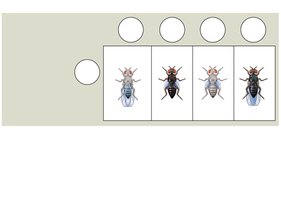
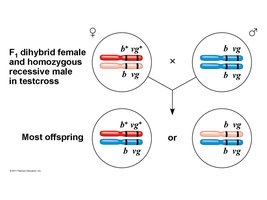
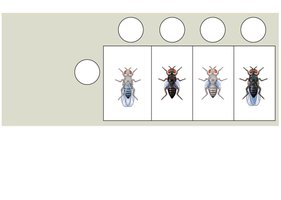
Recombination of Unlinked Genes
Unlinked genes assort independently, resulting in a 50% frequency of recombination.
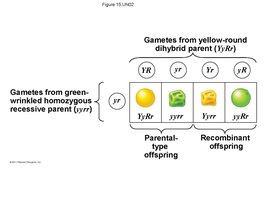
Recombination of Linked Genes: Crossing Over
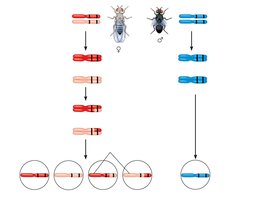
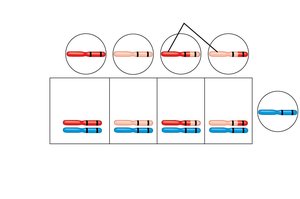
Crossing over during meiosis breaks the physical connection between linked genes, allowing for recombinant offspring. The frequency of recombination depends on the distance between genes.
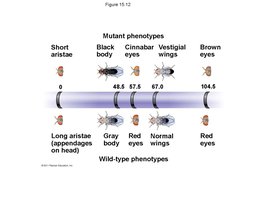
Recombination frequency can be used to construct genetic maps.
Map units (centimorgans) represent 1% recombination frequency.

Alterations of Chromosome Number and Structure
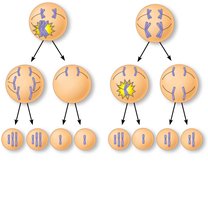
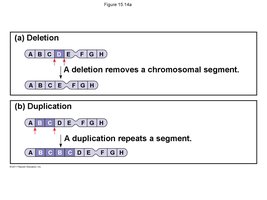
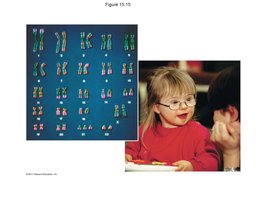
Large-scale chromosomal alterations can cause genetic disorders. Nondisjunction during meiosis leads to aneuploidy, where offspring have abnormal chromosome numbers. Polyploidy involves more than two complete sets of chromosomes and is common in plants.
Aneuploidy: Abnormal number of chromosomes (e.g., monosomy, trisomy).
Polyploidy: More than two complete sets of chromosomes (e.g., triploidy, tetraploidy).
Human Disorders Due to Chromosomal Alterations
Alterations in chromosome number or structure can cause disorders such as Down syndrome, Klinefelter syndrome, Turner syndrome, cri du chat, and chronic myelogenous leukemia (CML).
Down syndrome: Trisomy 21, three copies of chromosome 21.
Klinefelter syndrome: XXY males.
Turner syndrome: X0 females.
Cri du chat: Deletion in chromosome 5.
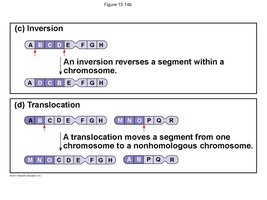
CML: Caused by translocation of chromosomes.
Non-Mendelian Inheritance Patterns
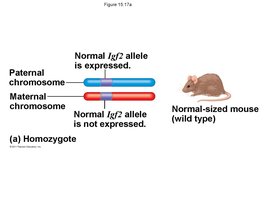
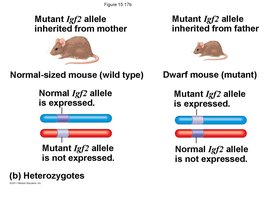
Some inheritance patterns deviate from Mendelian genetics. These include genomic imprinting and inheritance of organelle genes.
Genomic imprinting: Phenotype depends on which parent passed the allele; involves silencing of certain genes.
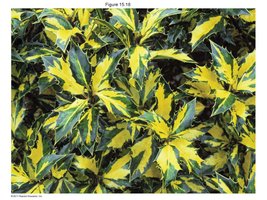
Organelle genes: Genes found in mitochondria and chloroplasts; inherited maternally.

Examples of Organelle Gene Disorders
Defects in mitochondrial genes can cause diseases affecting muscular and nervous systems, such as mitochondrial myopathy and Leber’s hereditary optic neuropathy.
Type of Chromosomal Alteration | Description | Example Disorder |
|---|---|---|
Aneuploidy | Abnormal number of chromosomes | Down syndrome (Trisomy 21), Turner syndrome (X0), Klinefelter syndrome (XXY) |
Deletion | Loss of a chromosomal segment | Cri du chat syndrome |
Duplication | Repeat of a chromosomal segment | Some cancers |
Inversion | Reversal of a segment within a chromosome | Some genetic disorders |
Translocation | Movement of a segment to another chromosome | Chronic myelogenous leukemia (CML) |
Key Equations:
Recombination frequency:
Map unit (centimorgan):
