 Back
The Diversity of Fungi: Structure, Classification, and Ecological Roles
Study Guide - Smart Notes
 Tailored notes based on your materials, expanded with key definitions, examples, and context.
The Diversity of Fungi
Key Features of Fungi
Fungi are a diverse group of eukaryotic organisms, primarily multicellular, that play essential roles in ecosystems as decomposers, symbionts, and pathogens. Although once classified as plants, fungi are fundamentally different in their structure, nutrition, and reproduction.
Cell Structure: Fungi have cell walls containing chitin, a strong, flexible polysaccharide also found in the exoskeletons of arthropods. In contrast, plant cell walls contain cellulose.
Nutrition: Fungi are heterotrophic and absorb nutrients from their environment. They secrete enzymes to break down complex organic matter.
Storage: Fungi store carbohydrates as glycogen, while plants use starch.
Mobility: Most fungi are non-motile but compensate with rapidly growing hyphae that explore their environment for nutrients.
Feature | Fungi | Plants |
|---|---|---|
Photosynthesis | No | Yes |
Cell Wall | Chitin | Cellulose |
Carbohydrate Storage | Glycogen | Starch |
Nutrition | Absorption | Autotrophic |
Fungal Body Structure
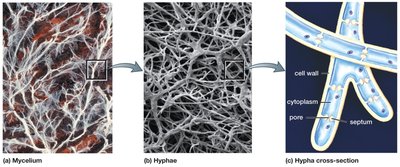
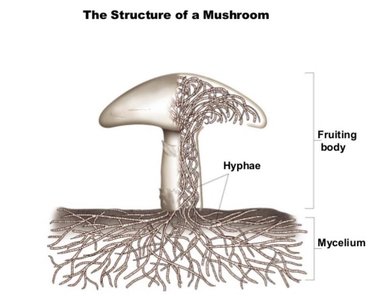
The main body of a fungus is the mycelium, a network of thread-like filaments called hyphae. Hyphae may be divided by cross-walls called septa, or may be continuous tubes with many nuclei.
Mycelium: Spreads extensively through substrates such as soil, decaying wood, or food.
Hyphae: Provide a large surface area for nutrient absorption and can differentiate into reproductive structures like mushrooms.
Fungal Nutrition and Ecology
Fungi obtain nutrients by secreting enzymes and absorbing the resulting small molecules. They play various ecological roles:
Saprophytes: Decompose dead organic matter, recycling nutrients.
Parasites: Feed on living organisms, sometimes causing disease.
Mutualists: Form beneficial relationships with other organisms (e.g., mycorrhizae, lichens).
Predators: Some fungi trap and consume small animals like nematodes.
Fungal Reproduction
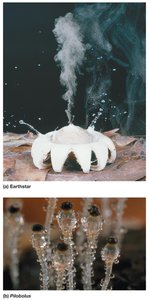
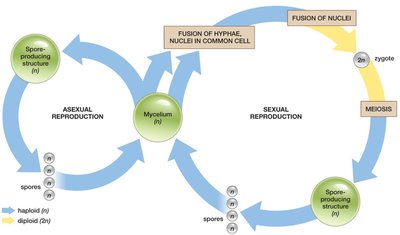
Fungi reproduce both asexually and sexually, primarily through the production of spores. Spores are typically haploid and can disperse widely.
Asexual Reproduction: Haploid mycelium produces spores by mitosis, resulting in genetically identical offspring.
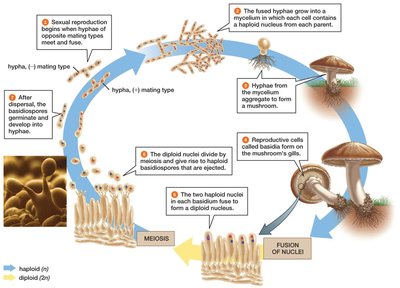
Sexual Reproduction: Involves the fusion of hyphae from different mating types, formation of a diploid zygote, and meiosis to produce genetically diverse spores.
Key Terms: spore, mycelium, hypha, septa, asexual reproduction, sexual reproduction
Major Groups of Fungi
Fungi are classified into several major groups based on their evolutionary relationships and reproductive structures.
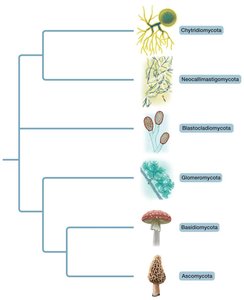
Chytridiomycota (chytrids): Mostly aquatic, produce flagellated spores, some are important pathogens of amphibians.
Neocallimastigomycota (rumen fungi): Anaerobic, live in digestive tracts of herbivores, help digest cellulose.
Blastocladiomycota (blastoclades): Aquatic or soil-dwelling, have a nuclear cap near the nucleus, some are parasites.
Glomeromycota (glomeromycetes): Form symbiotic relationships with plant roots (mycorrhizae).
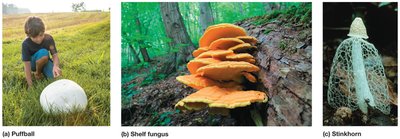
Basidiomycota (basidiomycetes): Produce club-shaped basidia, include mushrooms, puffballs, and shelf fungi.
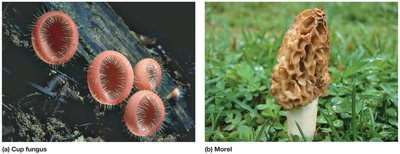
Ascomycota (ascomycetes): Produce spores in sac-like asci, include morels, truffles, and many molds.
Basidiomycetes
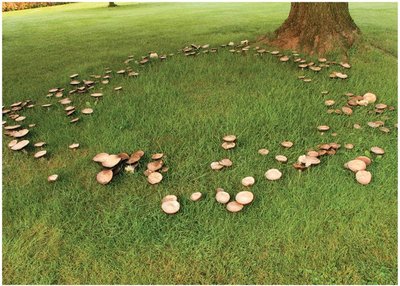
Basidiomycetes are known for their club-shaped reproductive structures (basidia) and include familiar mushrooms and shelf fungi. Their life cycle involves sexual reproduction and the formation of fruiting bodies.
Ascomycetes
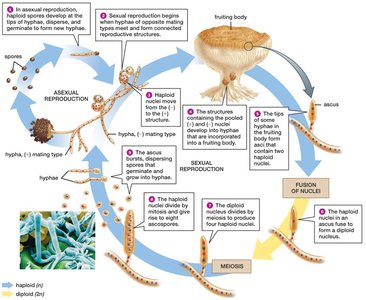
Ascomycetes form spores in sac-like structures called asci. They reproduce both sexually and asexually and include important decomposers, pathogens, and sources of antibiotics.
Zygomycetes
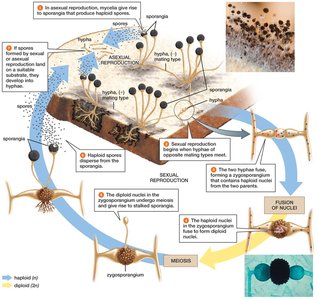
Zygomycetes include bread molds such as Rhizopus. They reproduce both sexually and asexually, forming resistant structures called zygosporangia.
Fungal Symbioses and Ecological Roles
Lichens
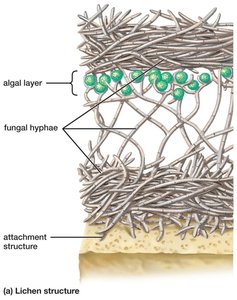
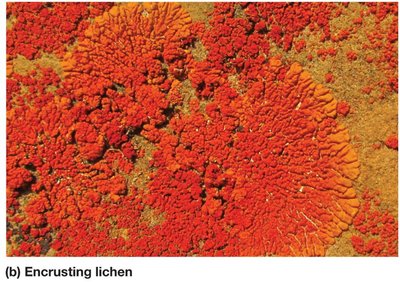
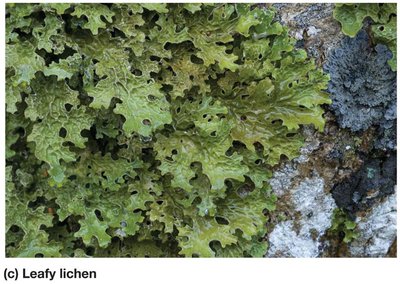
Lichens are symbiotic associations between fungi (usually ascomycetes or basidiomycetes) and photosynthetic partners (algae or cyanobacteria). Lichens are pioneers in harsh environments and contribute to soil formation.
Mycorrhizae
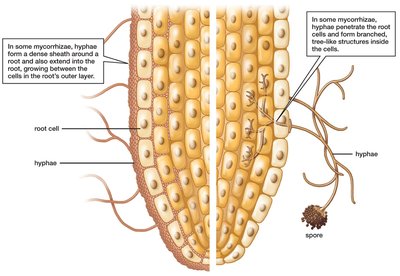
Mycorrhizae are mutualistic associations between fungi and plant roots. The fungus enhances water and mineral absorption for the plant, while receiving sugars in return. This relationship is crucial for plant health and ecosystem productivity.
Endophytes
Endophytes are fungi that live inside plant tissues. Some are parasitic, while others protect plants from herbivores by producing toxic or distasteful chemicals.
Decomposers and Nutrient Cycling
Fungi are primary decomposers of lignin and cellulose, returning nutrients to the ecosystem. Without fungi, nutrient cycling would halt, leading to the accumulation of organic debris and reduced soil fertility.
Fungi and Humans
Pathogenic Fungi
Fungi cause many plant diseases (e.g., rusts, smuts) and some human diseases (e.g., athlete's foot, ringworm, histoplasmosis). Some fungal pathogens have devastated tree populations, such as Dutch elm disease and chestnut blight.
Beneficial Fungi
Biological Control: Some fungi are used to control insect pests, reducing the need for chemical pesticides.
Antibiotics: Many antibiotics, such as penicillin, are derived from fungi.
Food Production: Fungi are essential in the production of bread, beer, wine, and cheeses. Yeasts ferment sugars, producing carbon dioxide and alcohol.
Fungal Toxins
Some fungi produce potent toxins, such as aflatoxins (carcinogenic compounds from Aspergillus) and deadly mushroom toxins (e.g., from Amanita species).
Summary Table: Major Fungal Groups and Features
Group | Key Features | Example |
|---|---|---|
Chytridiomycota | Flagellated spores, aquatic | Chytrids |
Neocallimastigomycota | Anaerobic, digest cellulose in herbivore guts | Rumen fungi |
Blastocladiomycota | Nuclear cap, aquatic/soil | Blastoclades |
Glomeromycota | Mycorrhizal, symbiotic with plants | Glomeromycetes |
Basidiomycota | Club-shaped basidia, mushrooms | Mushrooms, puffballs |
Ascomycota | Sac-like asci, diverse forms | Morels, truffles, yeasts |
Additional info: Fungi are essential for ecosystem functioning, human health, and industry. Their diversity and ecological roles make them a critical subject of study in biology.
