 Back
The Diversity of Protists
Study Guide - Smart Notes
 Tailored notes based on your materials, expanded with key definitions, examples, and context.
The Diversity of Protists
Introduction to Protists
Protists are a diverse group of mostly unicellular eukaryotic organisms that do not fit into the plant, animal, or fungal kingdoms. They exhibit a wide range of structural, nutritional, and reproductive diversity, and play crucial ecological roles in aquatic and terrestrial environments.
Domain Eukarya: Protists are eukaryotes, meaning their cells contain a nucleus and other membrane-bound organelles.
Not a Clade: Protists do not form a single evolutionary group (clade); instead, they are a collection of lineages with diverse ancestries.
Habitat: Most protists are aquatic, living in freshwater or marine environments, but some inhabit moist terrestrial areas or live as parasites inside other organisms.
Cellular Structure and Complexity
Protists are primarily unicellular, but some form colonies or are multicellular. They display a high degree of cellular complexity, often possessing specialized organelles for movement, feeding, and reproduction.
Motility: Many protists move using flagella, cilia, or pseudopods.
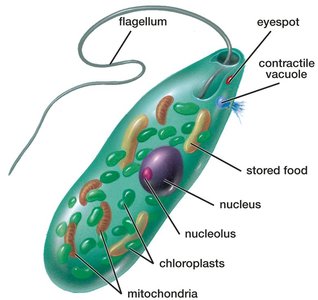
Organelles: Common organelles include nuclei, mitochondria, contractile vacuoles, and, in photosynthetic species, chloroplasts.
Reproduction in Protists
Protists reproduce by both asexual and sexual means, allowing them to adapt to changing environmental conditions.
Asexual Reproduction: Most protists reproduce by binary fission, producing genetically identical offspring.
Sexual Reproduction: Some protists undergo sexual reproduction, especially under stressful conditions, resulting in genetic variation.
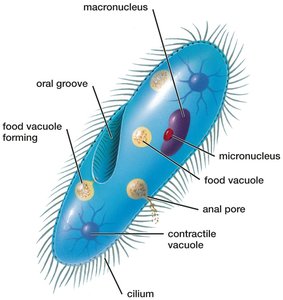
Conjugation: Certain protists, such as ciliates, exchange genetic material through conjugation without producing new cells.
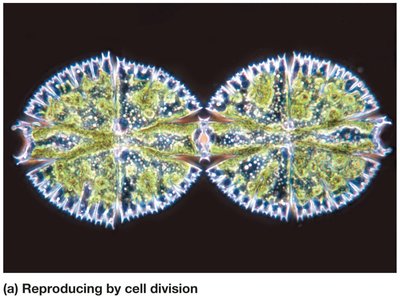
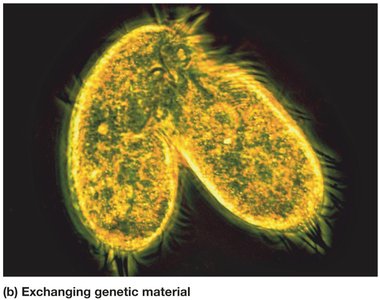
Nutrition in Protists
Protists exhibit diverse nutritional strategies, including ingestion, absorption, and photosynthesis.
Ingestive Protists: Predatory protists use pseudopods or cilia to capture and engulf food particles, which are digested in food vacuoles.
Absorptive Protists: Some absorb nutrients directly from their environment, acting as decomposers or parasites.
Photosynthetic Protists: Algae and related protists capture solar energy using chloroplasts, contributing significantly to global oxygen production and serving as the base of aquatic food webs.
Ecological and Human Importance
Positive Impacts: Photosynthetic protists (phytoplankton) are primary producers in aquatic ecosystems, generating oxygen and supporting food chains.
Negative Impacts: Some protists cause diseases in humans (e.g., malaria, amoebic dysentery) and plants, or produce harmful algal blooms (red tides).
Major Groups of Protists
Protists are classified into several major groups based on genetic, structural, and functional characteristics. The following table summarizes the main groups, their features, and representative genera.
Group | Subgroup | Locomotion | Nutrition | Representative Features | Representative Genera |
|---|---|---|---|---|---|
Excavates | Diplomonads, Parabasalids, Euglenids, Kinetoplastids | Swim with flagella | Heterotrophic or photosynthetic | Lack mitochondria, feeding groove, some are parasites | Giardia, Trichomonas, Euglena, Trypanosoma |
Stramenopiles | Water molds, Diatoms, Brown algae | Swim with flagella or drift | Heterotrophic or photosynthetic | Hair-like projections on flagella, glassy cell walls (diatoms), multicellular (brown algae) | Phytophthora, Navicula, Fucus |
Alveolates | Dinoflagellates, Apicomplexans, Ciliates | Flagella, cilia, or nonmotile | Photosynthetic or heterotrophic | Membrane-bound sacs (alveoli) under cell membrane | Peridinium, Plasmodium, Paramecium |
Rhizarians | Foraminiferans, Radiolarians | Thin pseudopods | Heterotrophic | Shells of calcium carbonate or silica | Globigerina, Actinomma |
Amoebozoans | Amoebas, Slime molds | Thick pseudopods | Heterotrophic | No shells, flexible shape, some form plasmodia | Amoeba, Dictyostelium |
Red algae | — | Nonmotile | Photosynthetic | Red pigments, multicellular seaweeds | Chondrus |
Chlorophytes (Green algae) | — | Some swim with flagella | Photosynthetic | Green pigments, unicellular or multicellular | Chlamydomonas, Ulva |
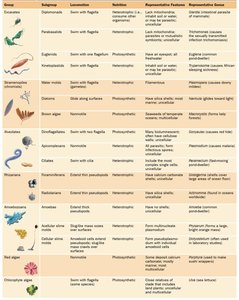
Excavates
Excavates are a group of protists characterized by a feeding groove and, in many cases, the absence of mitochondria. They include both free-living and parasitic species.
Diplomonads: Have two nuclei and multiple flagella; Giardia causes intestinal infections.
Parabasalids: Anaerobic, flagellated; some are mutualists in termite guts, others are human parasites (e.g., Trichomonas vaginalis).
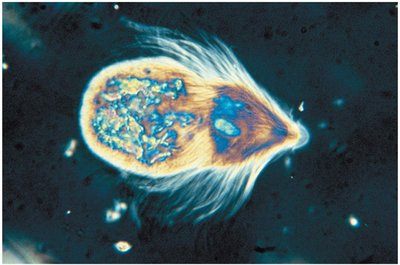
Euglenids: Mostly freshwater, move with flagella, some are photosynthetic and have an eyespot for detecting light.
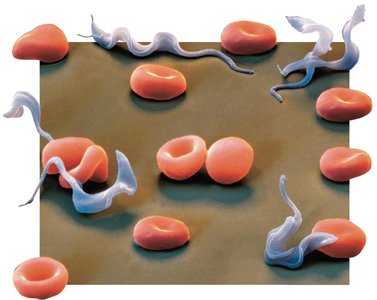
Kinetoplastids: Possess kinetoplasts (complex mitochondrial DNA); some are parasites, such as Trypanosoma (causes sleeping sickness).
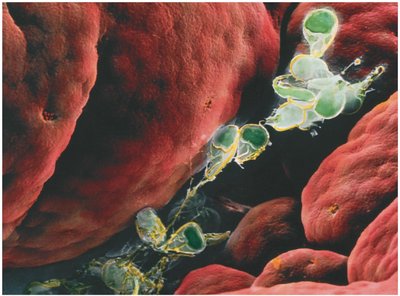
Stramenopiles
Stramenopiles are defined by the presence of fine, hair-like projections on their flagella. This group includes both photosynthetic and heterotrophic organisms.
Water Molds: Filamentous, decomposers or parasites; some cause plant diseases (e.g., late blight in potatoes).
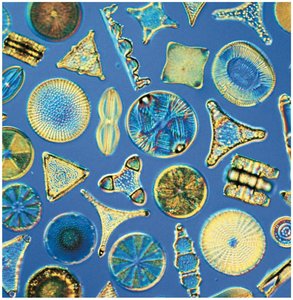
Diatoms: Photosynthetic, encased in silica cell walls, major component of phytoplankton, important for oxygen production.
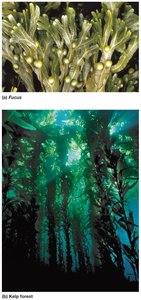
Brown Algae: Multicellular seaweeds, including kelp; contain brown pigments for photosynthesis, form underwater forests.
Alveolates
Alveolates are single-celled protists with membrane-bound sacs (alveoli) beneath their cell membranes. They include important photosynthetic and parasitic species.
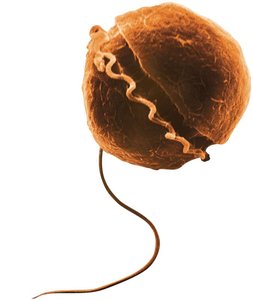
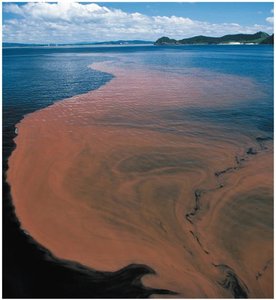
Dinoflagellates: Mostly marine, two flagella, some are bioluminescent, responsible for red tides.
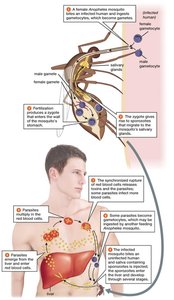
Apicomplexans: Nonmotile parasites, complex life cycles, cause diseases such as malaria (Plasmodium).
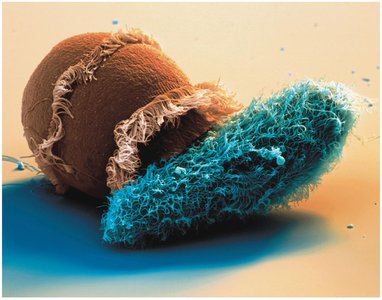
Ciliates: Covered with cilia, highly complex, include Paramecium and predatory forms like Didinium.
Rhizarians
Rhizarians are amoeboid protists with thin, thread-like pseudopods, often extending through shells.
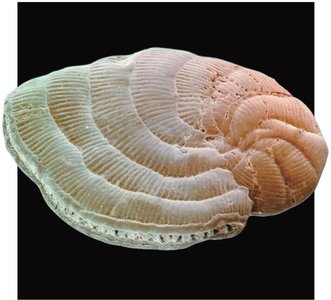
Foraminiferans: Marine, have calcium carbonate shells, important in fossil formation (limestone).
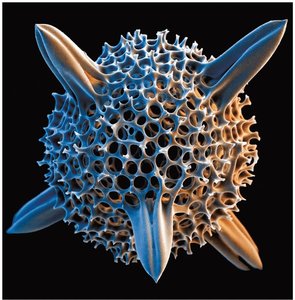
Radiolarians: Possess intricate silica shells, pseudopods extend through shell pores.
Amoebozoans
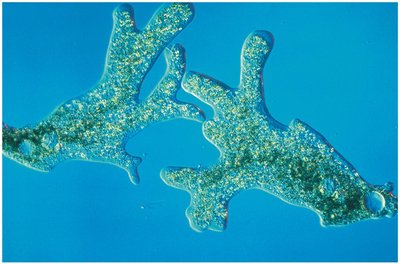
Amoebozoans include amoebas and slime molds, characterized by thick, flexible pseudopods for movement and feeding.
Amoebas: Freshwater and soil, predators or parasites, move and feed using pseudopods.
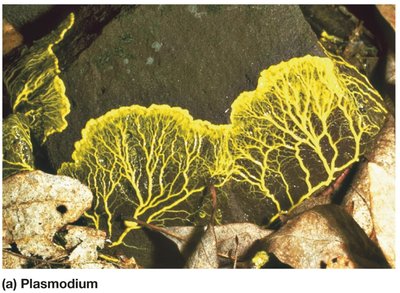
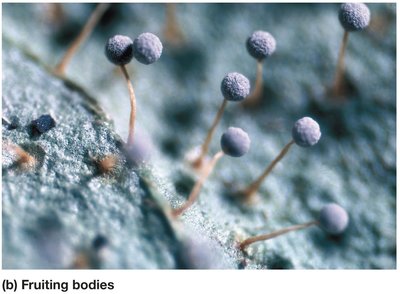
Slime Molds: Decomposers with complex life cycles, including mobile feeding stages and stationary reproductive stages (fruiting bodies).
Acellular Slime Molds: Form multinucleate plasmodia, feed on decaying matter.
Cellular Slime Molds: Live as individual cells but aggregate into a pseudoplasmodium when food is scarce.
Red Algae
Red algae are multicellular, photosynthetic seaweeds found mainly in marine environments. Their red pigments mask the green of chlorophyll, allowing them to live at greater depths.
Commercial Uses: Source of agar and carrageenan, used as thickeners in food and other products.
Chlorophytes (Green Algae)
Chlorophytes are a diverse group of green algae, including both unicellular and multicellular species. They are closely related to land plants and are important in freshwater and marine ecosystems.
Structure: Range from single cells to large multicellular forms (e.g., Ulva).
Biofuel Potential: Some species are cultivated for renewable biofuel production.
Summary Table: Major Protist Groups
The following table summarizes the main groups of protists, their locomotion, nutrition, and representative features and genera.
Additional info: Some explanations and examples have been expanded for clarity and completeness, including ecological roles, commercial uses, and disease relevance.
