 Back
BackThe History of Life on Earth: From Earth's Formation to the Oxygen Revolution
Study Guide - Smart Notes
 Tailored notes based on your materials, expanded with key definitions, examples, and context.
The History of Life on Earth
Introduction
This study guide explores the early history of Earth, the chemical and physical processes that made life possible, and the major transitions that led to the emergence of living organisms. It covers the formation of Earth, the origin of organic molecules, the assembly of protocells, the rise of self-replicating RNA, and the transformative impact of photosynthesis and the oxygen revolution.
The Age and Early Conditions of Earth
Formation and Early Atmosphere
Earth's Age: Radiometric dating indicates Earth is approximately 4.5–4.6 billion years old.
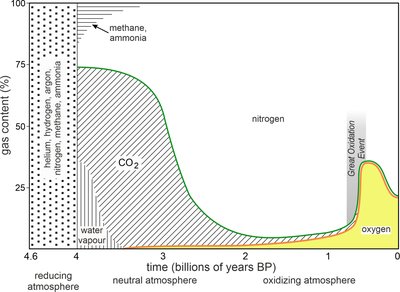
Early Atmosphere: Dominated by water vapor, nitrogen, nitrogen oxides, carbon dioxide, methane, ammonia, hydrogen, and hydrogen sulfide, with very little oxygen present.
Formation of Oceans: Bombardment by rocks and ice contributed to the formation of Earth's seas between 4.2 and 3.9 billion years ago.
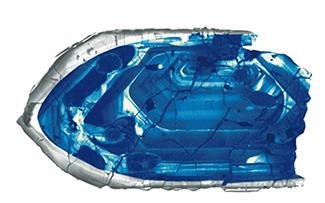
Conditions on Early Earth and the Origin of Life
Stages in the Origin of Life
Abiotic Synthesis of Small Organic Molecules: Simple molecules such as amino acids and nucleotides formed from inorganic precursors.
Formation of Macromolecules: Small organic molecules joined to form proteins, nucleic acids, and other polymers.
Packaging into Protocells: Molecules became enclosed in membrane-like structures, forming protocells capable of maintaining an internal environment.
Origin of Self-Replicating Molecules: RNA molecules capable of self-replication and catalysis (ribozymes) emerged, enabling inheritance and evolution.
Abiotic Synthesis of Organic Compounds
The Miller-Urey Experiment
The Miller-Urey experiment (1953) demonstrated that organic molecules, including amino acids, could be synthesized abiotically under conditions thought to resemble those of early Earth. The experiment used a mixture of water, methane, ammonia, and hydrogen, subjected to electrical sparks to simulate lightning.
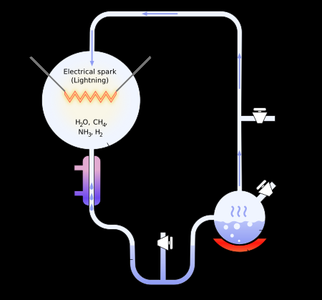
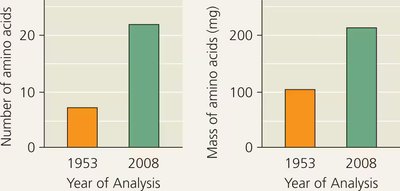
Results: Produced several small organic compounds, including amino acids (though not all 20 found in modern organisms).
Further Research: Later analyses (2008) revealed even more amino acids were produced than originally detected.
Alternative Sites for Organic Synthesis
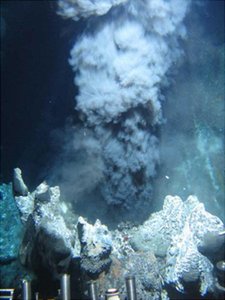
Deep-Sea Hydrothermal Vents: These environments may have provided the necessary conditions for the synthesis of organic macromolecules. Modern vent-dwelling bacteria use chemosynthesis, demonstrating that life can exist without sunlight.
Packaging into Protocells
Formation and Properties of Protocells
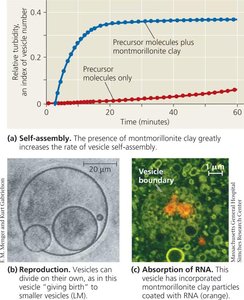
Protocells: Fluid-filled vesicles with membrane-like structures that can form spontaneously from lipids in water.
Key Properties: Simple reproduction, metabolism, and maintenance of an internal chemical environment.
Role of Clay: Montmorillonite clay can greatly increase the rate of vesicle self-assembly and facilitate the absorption of RNA.
The RNA World Hypothesis
Self-Replicating RNA and Early Evolution
RNA as First Genetic Material: RNA molecules (ribozymes) can catalyze reactions, including self-replication.
Protocells with RNA: Vesicles containing self-replicating RNA could undergo natural selection, leading to increased complexity.
Transition to DNA: RNA may have served as a template for the evolution of DNA, a more stable genetic material.
The Oxygen Revolution
Photosynthesis and Atmospheric Change
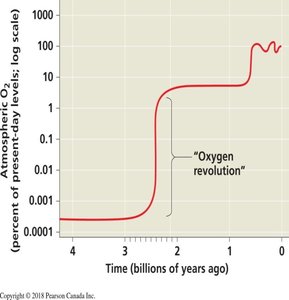
Rise of Oxygen: Photosynthetic cyanobacteria produced oxygen as a byproduct, leading to a dramatic increase in atmospheric O2 (the "Oxygen Revolution").
Impact: Oxygen is a highly efficient electron acceptor, enabling more efficient energy production and supporting the evolution of complex life.
Further Increases: Later increases in O2 were likely driven by the evolution of eukaryotic cells with chloroplasts.
Summary Table: Key Steps in the Origin of Life
Step | Description | Key Evidence/Example |
|---|---|---|
Abiotic Synthesis of Organic Molecules | Formation of amino acids and nucleotides from inorganic precursors | Miller-Urey experiment |
Formation of Macromolecules | Polymerization of small molecules into proteins and nucleic acids | Possible at hydrothermal vents or on clay surfaces |
Packaging into Protocells | Spontaneous formation of membrane-bound vesicles | Vesicle self-assembly experiments |
Origin of Self-Replicating Molecules | Emergence of RNA molecules capable of self-replication | Ribozymes |
Oxygen Revolution | Increase in atmospheric O2 due to photosynthesis | Fossil evidence of cyanobacteria, geochemical data |
Conclusion
The history of life on Earth began with a series of chemical and physical processes that led from simple molecules to complex, self-replicating systems. The emergence of photosynthesis and the subsequent oxygenation of the atmosphere were pivotal events that set the stage for the evolution of complex life forms.
