 Back
BackThe History of Life on Earth: Key Events and Processes
Study Guide - Smart Notes
 Tailored notes based on your materials, expanded with key definitions, examples, and context.
The History of Life on Earth
Macroevolution and the Fossil Record
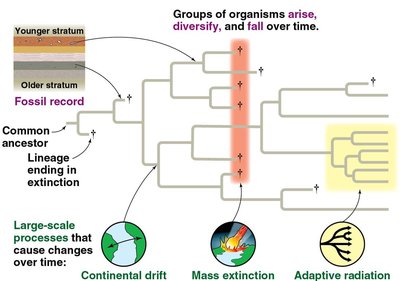
The history of life on Earth is documented by the fossil record, which reveals major evolutionary changes over large time scales. These changes include the emergence of terrestrial vertebrates, the impact of mass extinctions, and the origin of key adaptations such as flight.
Macroevolution: Large-scale evolutionary changes above the species level, including the origin of new groups and mass extinctions.
Fossil Record: The ordered sequence of fossils as they appear in rock "
layers (strata), providing evidence for the rise, diversification, and extinction of groups over time.
Key Events: The fossil record shows the emergence of major groups, mass extinction events, and adaptive radiations.
Conditions on Early Earth and the Origin of Life
Life originated on Earth through a series of chemical and physical processes that led to the formation of simple cells. This process is hypothesized to have occurred in four main stages:
Abiotic synthesis of small organic molecules: Non-biological processes produced molecules such as amino acids and nucleotides.
Joining of small molecules into macromolecules: These molecules formed polymers like proteins and nucleic acids.
Packaging into protocells: Molecules became enclosed in membrane-bound vesicles, forming protocells capable of maintaining an internal environment.
Origin of self-replicating molecules: Molecules such as RNA developed the ability to replicate, enabling inheritance.
Synthesis of Organic Compounds
Earth formed about 4.6 billion years ago; early conditions included volcanic activity and a reducing atmosphere.
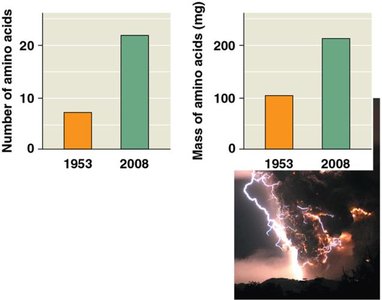
Miller-Urey experiments demonstrated that amino acids could form under simulated early Earth conditions, especially near volcanic eruptions.
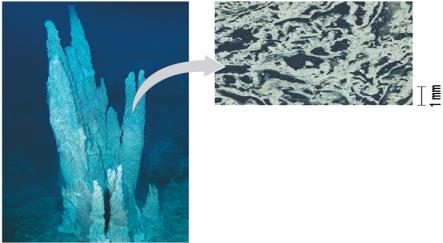
Alkaline hydrothermal vents may have provided suitable environments for the origin of life, with warm, mineral-rich water supporting organic synthesis.
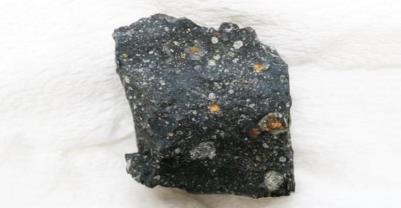
Meteorites, such as the Murchison meteorite, delivered amino acids, lipids, sugars, and nitrogenous bases to early Earth.
Protocells and the Origin of Genetic Material
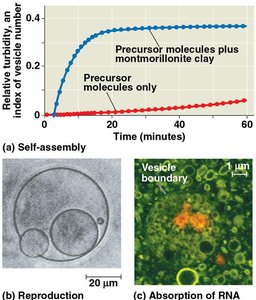
Protocells are self-organized, membrane-bound structures that exhibit some properties of life, such as metabolism and reproduction. In water, lipids can spontaneously form vesicles, which can grow, divide, and maintain internal environments.
Vesicles can self-assemble, reproduce, and absorb molecules such as RNA.
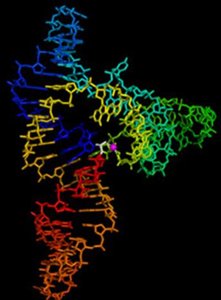
The first genetic material was likely RNA, which can both store genetic information and catalyze chemical reactions (ribozymes).
Protocells with self-replicating RNA could undergo natural selection, leading to more complex forms.
The Fossil Record and Geologic Time
The Fossil Record
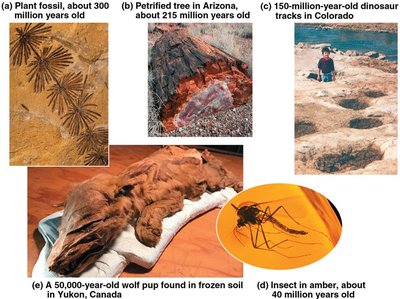
The fossil record provides evidence for the history of life, documenting the appearance, diversification, and extinction of organisms. Fossils are typically found in sedimentary rock layers, with older fossils in deeper strata.
Types of fossils include mineralized remains, petrified wood, tracks, frozen specimens, and organisms preserved in amber.
The Geologic Record
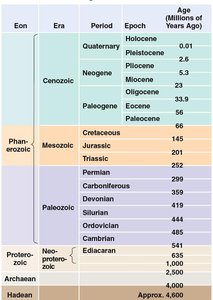
The geologic record divides Earth's history into eons, eras, periods, and epochs. Major boundaries often correspond to mass extinction events.
Eon | Era | Period | Epoch | Age (Millions of Years Ago) |
|---|---|---|---|---|
Phanerozoic | Cenozoic | Quaternary | Holocene | 0.01 |
Phanerozoic | Mesozoic | Cretaceous | 145 | |
Phanerozoic | Paleozoic | Permian | 299 | |
Proterozoic | Neoproterozoic | Edicaran | 635 | |
Archaean | 4,000 | |||
Hadean | Approx. 4,600 |
Major Events in the History of Life
The First Single-Celled Organisms
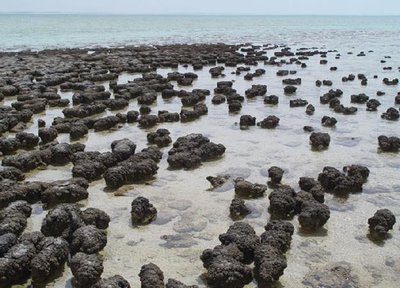
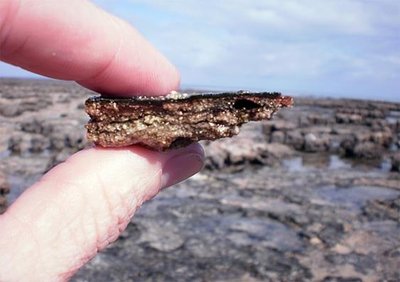
The oldest known fossils are stromatolites, layered structures formed by prokaryotes binding sediment. These date back 3.5 billion years and represent the earliest evidence of life. Prokaryotes dominated Earth for over 1.5 billion years.
Photosynthesis and the Oxygen Revolution
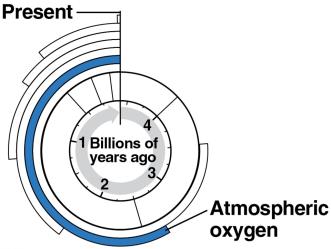
Photosynthetic prokaryotes began producing oxygen about 2.7 billion years ago, leading to the "oxygen revolution." Atmospheric O2 levels rose, causing the extinction of many anaerobic organisms and enabling the evolution of aerobic respiration.
The First Eukaryotes and Endosymbiosis
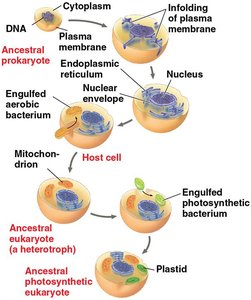
Eukaryotes appeared about 1.8 billion years ago, likely through endosymbiosis, where a host cell engulfed aerobic and photosynthetic bacteria, giving rise to mitochondria and plastids. Serial endosymbiosis suggests mitochondria evolved before plastids.
Major Evolutionary Events: Cambrian Explosion and Colonization of Land
Cambrian Explosion (535–525 million years ago): Sudden appearance of diverse animal phyla, predator-prey interactions, and new adaptations such as body armor and claws.
Colonization of Land: Fungi, plants, and animals began colonizing land about 500 million years ago. Arthropods and tetrapods were among the first animals to adapt to terrestrial life.

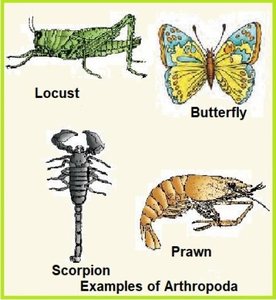
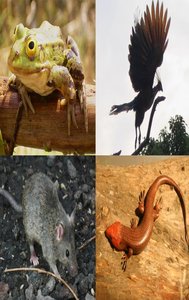
Plate Tectonics, Continental Drift, and Mass Extinctions
Plate Tectonics and Continental Drift
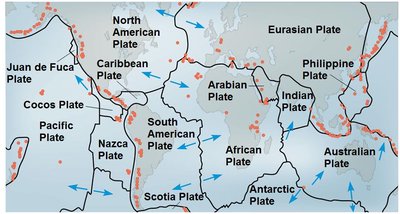
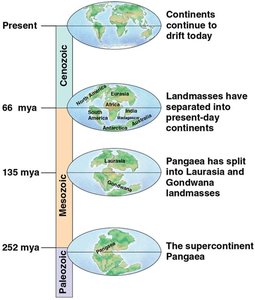
Earth's crust is divided into plates that move over the mantle, causing continental drift. The formation and breakup of supercontinents, such as Pangaea, have profoundly affected climate, sea levels, and the distribution of organisms.
Mass Extinctions
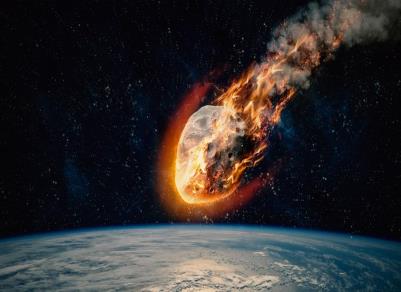
Five major mass extinction events have occurred in the past 500 million years, each triggered by global environmental changes. The Permian extinction (252 million years ago) and the Cretaceous extinction (66 million years ago) are the most significant, with the latter associated with a meteorite impact.
Permian extinction: Extreme volcanic activity, global warming, ocean acidification, and loss of oxygen led to the extinction of 96% of marine species.
Cretaceous extinction: Meteorite impact caused a dramatic drop in temperature and the extinction of dinosaurs (except birds).
Consequences of Mass Extinctions and Adaptive Radiations
Mass extinctions drastically alter ecological communities and pave the way for adaptive radiations, where surviving groups diversify to fill ecological niches. For example, mammals diversified after the extinction of dinosaurs.
Developmental Genes and Evolutionary Change
Genetic Mechanisms of Major Evolutionary Change
Major changes in body form can result from changes in the sequences and regulation of developmental genes. Heterochrony (changes in the timing of development) and changes in homeotic genes (such as Hox genes) can produce significant morphological innovations.
Heterochrony: Alters the timing of developmental events, leading to features such as paedomorphosis (retention of juvenile traits in adults).
Homeotic genes: Master regulatory genes that control the placement and organization of body parts.
Evolution of Novel Structures
Evolution is not goal-oriented; new forms arise by modification of existing structures. Complex features, such as eyes, evolved in stages from simpler structures, as seen in molluscs like limpets and squids.
Additional info: This summary integrates and expands upon the provided lecture slides, adding definitions, examples, and context for clarity and completeness.
