Back
BackThe Immune System: Innate and Adaptive Immunity
Study Guide - Smart Notes
 Tailored notes based on your materials, expanded with key definitions, examples, and context.
Immune System Overview
Introduction to Immunity
The immune system is a complex network of cells, tissues, and molecules that protects organisms from disease-causing agents known as pathogens. Immunity refers to the resistance or protection against these pathogens, preventing repeated infections. The immune system is divided into two main branches: innate immunity and adaptive immunity.
Innate Immunity
General Features
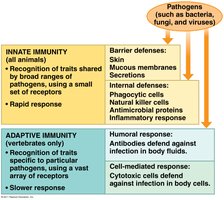
Innate immunity is the first line of defense and is present in all animals. It provides a rapid, nonspecific response to a broad range of pathogens using a limited set of receptors. This system includes physical barriers, cellular defenses, and chemical mediators.
Barrier defenses: Skin, mucous membranes, and secretions prevent pathogen entry.
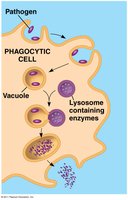
Internal defenses: Phagocytic cells, natural killer cells, antimicrobial proteins, and the inflammatory response.
Protective Barriers to Infection
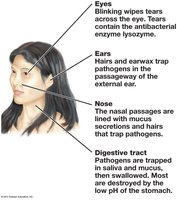
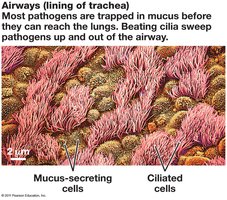
Physical and chemical barriers are crucial in preventing pathogen entry. The skin acts as a primary barrier, while mucus, ear wax, and lysozyme (an enzyme found in tears) protect exposed surfaces such as the digestive, respiratory, and reproductive tracts.
Innate Immune Cells
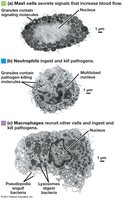
Several types of leukocytes (white blood cells) are involved in innate immunity:
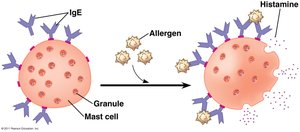
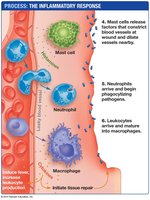
Mast cells: Release histamine, causing blood vessel dilation and increased permeability.
Neutrophils: Engulf and destroy pathogens.
Macrophages: Found throughout the body, they recruit other cells and phagocytize pathogens.
Toll-Like Receptors (TLRs)
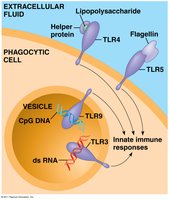
Toll-like receptors are pattern-recognition receptors on innate immune cells. They recognize molecular patterns unique to groups of pathogens (e.g., lipopolysaccharide, flagellin, CpG DNA, dsRNA) and trigger immune responses.
Inflammatory Response
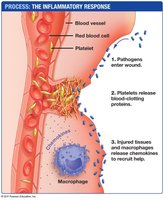
The inflammatory response is a multi-step process that occurs at sites of injury or infection. It involves the release of signaling molecules, recruitment of immune cells, and elimination of pathogens, followed by tissue repair.
Platelets release clotting proteins.
Macrophages secrete chemokines to attract immune cells.
Mast cells release histamine, increasing blood flow and vessel permeability.
Neutrophils and macrophages remove pathogens by phagocytosis.
Macrophages secrete cytokines, inducing fever and tissue repair.
Adaptive Immunity
General Principles
Adaptive immunity is found only in vertebrates and involves lymphocytes that respond to specific antigens. It is characterized by specificity, diversity, memory, and self-nonself recognition.
Specificity: Immune components bind only to specific sites on specific antigens.
Diversity: Can recognize a vast array of antigens.
Memory: Faster and stronger response upon re-exposure to the same antigen.
Self-nonself recognition: Does not attack the body's own molecules.
Lymphocytes and Immune Organs
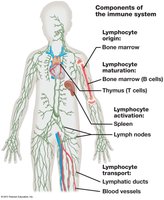
Lymphocytes are the main cells of adaptive immunity. They are produced in the bone marrow and mature in either the bone marrow (B cells) or thymus (T cells). Lymphocytes are activated in secondary lymphoid organs such as the spleen and lymph nodes, and circulate throughout the body, including mucosal-associated lymphoid tissue (MALT).
Activation of Lymphocytes
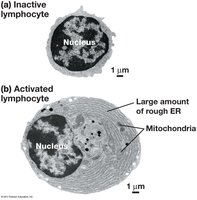
Lymphocytes are usually inactive until they encounter their specific antigen. Upon activation, they undergo dramatic changes, including increased cytoplasm and organelle content, and begin to proliferate.
B Cells and T Cells
B cells (from bone marrow) produce antibodies, while T cells (from thymus) have various roles, including killing infected cells and helping other immune cells. Both cell types have unique antigen receptors (BCRs and TCRs) that recognize specific epitopes on antigens.
Clonal Selection Theory
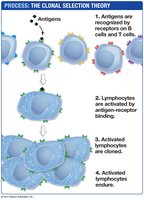
Clonal selection explains how adaptive immunity generates specificity and memory:
Each lymphocyte has unique receptors for a specific antigen.
Binding to antigen activates the lymphocyte.
Activated lymphocyte divides, producing identical clones.
Some clones persist as memory cells for rapid future responses.
Antibody Structure and Classes
Antibodies (immunoglobulins) are produced by B cells and exist in five main classes, each with distinct structures and functions:
Name | Structure | Function |
|---|---|---|
IgG | Monomer | Main antibody in blood; protects against bacteria, viruses, and toxins. |
IgD | Monomer | Present on B cell membranes; acts as BCR. |
IgE | Monomer | Involved in allergic responses and defense against parasites. |
IgA | Dimer | Found in secretions (saliva, tears, mucus); protects mucosal surfaces. |
IgM | Pentamer | First antibody produced; effective at clumping pathogens. |
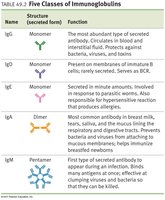
Antigen Recognition and Epitopes
An epitope is the specific region of an antigen recognized by antibodies, BCRs, or TCRs. Each antigen can have multiple epitopes, each recognized by a different receptor.
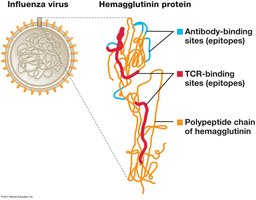
Antibody and TCR Structure
Antibodies and TCRs have variable (V) and constant (C) regions. The variable region determines antigen specificity, while the constant region mediates immune functions.
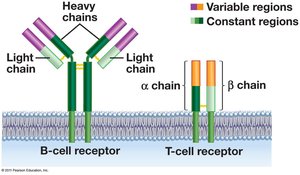
Antigen Presentation and Dendritic Cells
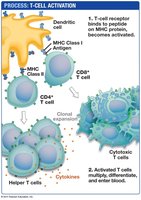
Dendritic cells are antigen-presenting cells that process and display antigens on major histocompatibility complex (MHC) proteins. There are two classes of MHC:
MHC I: Presents antigens to CD8+ T cells (cytotoxic T cells).
MHC II: Presents antigens to CD4+ T cells (helper T cells).
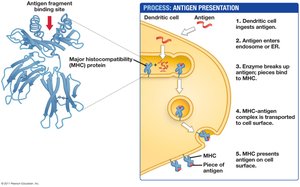
T Cell Activation
T cells are activated when they bind to antigen-MHC complexes on antigen-presenting cells. CD8+ T cells recognize MHC I, while CD4+ T cells recognize MHC II. Activated T cells proliferate and differentiate into effector cells.
B Cell Activation
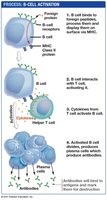
B cells are activated through a multi-step process involving antigen binding, interaction with helper T cells, and cytokine signaling. Activated B cells differentiate into plasma cells (antibody producers) and memory cells.
Antibody Activity
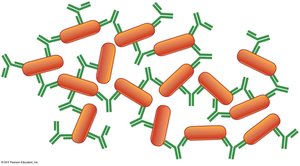
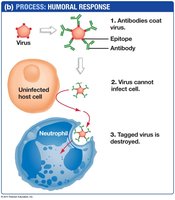
Antibodies bind to pathogens, marking them for destruction by phagocytes (opsonization) and activating the complement system. This process helps eliminate bacteria, parasites, fungi, and viruses.
Humoral vs. Cell-Mediated Response
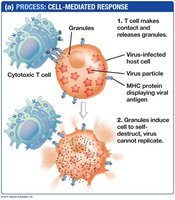
The adaptive immune system eliminates viruses through two main mechanisms:
Cell-mediated response: Cytotoxic T cells destroy infected cells.
Humoral response: Antibodies neutralize pathogens in body fluids.
Immunological Memory and Vaccination
Primary and Secondary Immune Responses
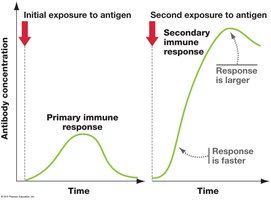
Upon first exposure to an antigen, the primary immune response is slow and produces memory cells. A second exposure triggers a secondary immune response, which is faster and stronger due to the presence of memory cells.
Somatic Hypermutation
Memory cells undergo somatic hypermutation, increasing their affinity for the antigen's epitope. This process fine-tunes the immune response, ensuring that the best-fitting antibodies are produced.
Vaccines and Vaccination
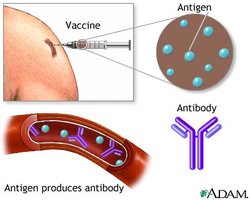
Vaccines contain antigens from pathogens (killed, weakened, or subunit forms) to stimulate the primary immune response and generate memory cells without causing disease. This prepares the immune system for rapid response upon future exposure.
Viral Mutation and Immune Evasion
Some viruses, such as influenza and HIV, mutate rapidly, changing their epitopes and evading immune detection. This makes vaccine development challenging and can lead to chronic infections, as seen in HIV/AIDS.
Allergies and Immune Disorders
Allergic Reactions
Allergies occur when the immune system overreacts to harmless substances (allergens). Sensitized mast cells release large amounts of histamine and other mediators, causing symptoms such as blood vessel dilation, smooth muscle contraction, and mucus secretion. Severe reactions can result in anaphylactic shock.