 Back
BackThe Immune System: Innate and Adaptive Defenses
Study Guide - Smart Notes
 Tailored notes based on your materials, expanded with key definitions, examples, and context.
The Immune System: Overview
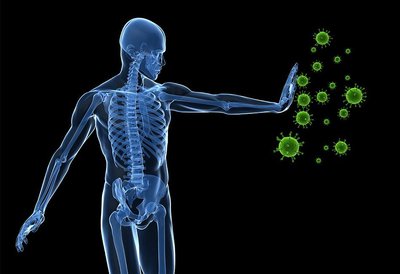
The immune system is responsible for defending the body against potentially harmful foreign substances, pathogens, and abnormal cells that can cause infection, disease, or cancer. Pathogens include viruses, bacteria, fungi, protozoans, parasitic worms, and even abnormal cells such as cancer cells. The ability to resist infection is called immunity. There are two main types of immunity: innate immunity and adaptive immunity.
Types of Pathogens
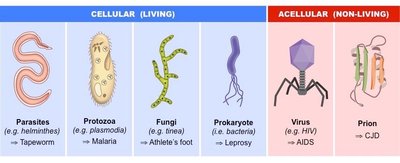
Pathogens are classified as either cellular (living) or acellular (non-living). Understanding the diversity of pathogens is essential for appreciating the complexity of immune responses.
Type | Example | Disease |
|---|---|---|
Parasites (helminthes) | Tapeworm | Malaria |
Protozoa | Plasmodia | Malaria |
Fungi | Tinea | Athlete's foot |
Prokaryote | Bacteria | Leprosy |
Virus | HIV | AIDS |
Prion | — | CJD |
Innate Immune Defenses
Physical and Chemical Barriers
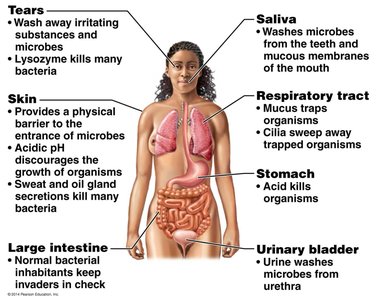
Innate immunity is present at birth and provides immediate, nonspecific defense against pathogens. The first line of defense includes physical and chemical barriers that prevent pathogen entry.
Skin: Physical barrier; acidic pH and secretions inhibit microbial growth.
Tears and Saliva: Contain lysozyme, which kills bacteria.
Respiratory Tract: Mucus and cilia trap and remove pathogens.
Stomach: Acidic environment destroys ingested microbes.
Large Intestine: Normal flora keep pathogens in check.
Urinary Bladder: Urine flow washes out invaders.
Inflammatory Response
The inflammatory response is a key component of the second line of innate defense. When tissues are injured or infected, they release signaling molecules that increase blood flow, attract immune cells, and promote healing.
Redness, heat, swelling, and pain are classic signs of inflammation.
Neutrophils and macrophages migrate to the site, engulfing pathogens and debris.
Protective Proteins and White Blood Cells
Several proteins and cells contribute to innate immunity:
Complement System: Plasma proteins that enhance inflammation, promote phagocytosis, and can lyse bacterial cells.
Interferons: Proteins released by virus-infected cells to help neighboring cells resist infection.
White Blood Cells: Natural killer cells, neutrophils, and macrophages rapidly respond to infection by killing infected cells and releasing immune signaling molecules.
Adaptive Immune Defenses
Recognition of Antigens
Adaptive immunity develops after exposure to specific pathogens and is characterized by specificity and memory. It can distinguish between "self" and "non-self" and targets specific foreign molecules called antigens.
Antigen: Any substance that elicits an immune response (e.g., proteins from pathogens, toxins).
Antibody: A protein produced by B cells that specifically binds to an antigen.
Primary and Secondary Immune Responses
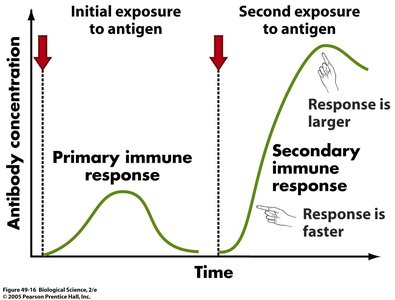
Upon first exposure to an antigen (primary response), the immune system responds slowly and forms memory cells. Upon subsequent exposures (secondary response), the immune system responds more rapidly and robustly due to these memory cells.
Primary Response: Slow, moderate antibody production; formation of memory B and T cells.
Secondary Response: Rapid, high-level antibody production; faster and stronger due to immune memory.
Antibody-Mediated and Cell-Mediated Immunity
Adaptive immunity consists of two main branches:
Antibody-Mediated (Humoral) Immunity: B cells produce antibodies that neutralize pathogens in body fluids.
Cell-Mediated Immunity: T cells (especially cytotoxic T cells) destroy infected or abnormal cells directly.
How Vaccines Provide Immunity
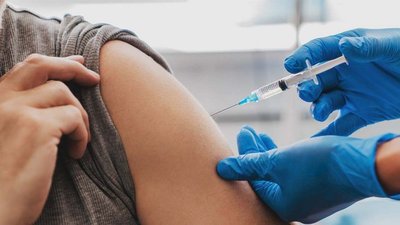
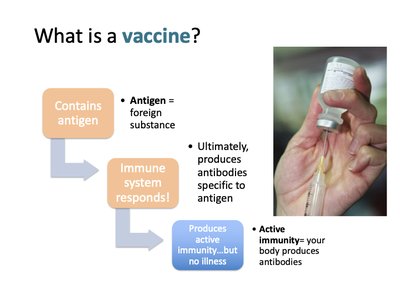
Vaccines safely trigger the primary immune response without causing disease. They contain antigens (weakened/inactivated pathogens, pathogen components, or genetic instructions) that stimulate the immune system to recognize and remember the pathogen.
First exposure (vaccination): Slow antibody production, formation of memory cells.
Second exposure (infection): Rapid, strong antibody response prevents or reduces illness.
Acquired Immunity
Active vs. Passive Immunity
Acquired immunity can be developed naturally or through medical intervention and occurs in two forms:
Active Immunity: The individual's immune system produces its own antibodies after exposure to a pathogen or vaccine. Long-lasting due to memory cell formation.
Passive Immunity: Antibodies are transferred from another source (e.g., maternal antibodies, antibody injections). Provides immediate but temporary protection; no memory cells are formed.
Disorders of the Immune System
Types of Immune Disorders
Immune system disorders can result from deficiencies, overreactions, or inappropriate responses:
Primary Immunodeficiency: Born with weak or absent immune function (e.g., SCID).
Acquired Immunodeficiency: Immune system weakened later in life (e.g., AIDS, chemotherapy, undernutrition).
Autoimmune Disorders: Immune system attacks the body's own tissues (e.g., rheumatoid arthritis, lupus, Type 1 diabetes).
Allergic Reactions: Immune system overreacts to harmless substances (e.g., allergies, asthma, eczema).
Cancers Affecting Immune Cells: Abnormal cell growth disrupts immune function (e.g., leukemia, lymphoma).
Summary Table: Innate vs. Adaptive Immunity
Feature | Innate Immunity | Adaptive Immunity |
|---|---|---|
Specificity | Nonspecific | Highly specific |
Response Time | Immediate | Delayed (days) |
Memory | None | Immunological memory |
Main Components | Barriers, phagocytes, complement | B cells, T cells, antibodies |
Duration | Short-term | Long-term |
Key Terms
Antigen: Substance that triggers an immune response.
Antibody: Protein that binds specifically to an antigen.
Phagocytosis: Process by which cells engulf and digest pathogens.
Memory Cells: Long-lived lymphocytes that respond rapidly upon re-exposure to an antigen.
Vaccine: Preparation containing antigens that stimulate an immune response without causing disease.
