 Back
BackThe Immune System: Innate and Adaptive Defenses
Study Guide - Smart Notes
 Tailored notes based on your materials, expanded with key definitions, examples, and context.
Chapter 24: The Immune System
Introduction: Viruses, Cancer, and Immunity
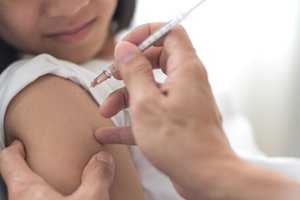
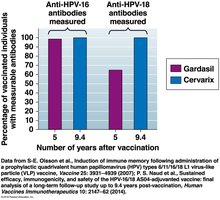
Viruses can cause certain cancers, such as cervical and anal cancers caused by the human papillomavirus (HPV). Vaccines are available to prevent HPV infection, but the duration of their effectiveness is still under study.
Innate Immunity
24.1 All Animals Have Innate Immunity
Innate immunity provides the first line of defense against pathogens—agents that cause disease. It acts immediately upon infection and is the same regardless of prior exposure to the pathogen. Invertebrates rely solely on innate immunity, while vertebrates possess both innate and adaptive immunity.
Barriers: Skin, mucous membranes, acidic environments, secretions, and cilia prevent pathogen entry.
Internal Defenses: If barriers are breached, phagocytic cells (neutrophils, macrophages), natural killer cells, defensive proteins (e.g., interferons), and the inflammatory response act to eliminate pathogens.

24.2 The Inflammatory Response Disinfects Damaged Tissue
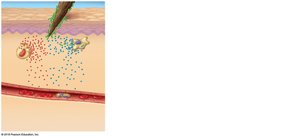
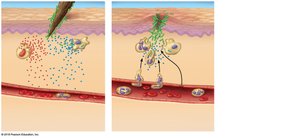
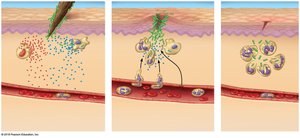
The inflammatory response is triggered by tissue damage, such as a splinter, and helps disinfect tissues and limit further infection. The process involves:
Release of signaling molecules from mast cells and macrophages, causing nearby capillaries to dilate.
Capillaries become leaky, allowing neutrophils to migrate to the infection site.
Neutrophils digest bacteria and cell debris, leading to tissue healing.
Adaptive Immunity
24.3 The Adaptive Immune Response Counters Specific Invaders
Adaptive (acquired) immunity is found only in vertebrates and is activated after exposure to specific pathogens. It is highly specific and has memory, allowing for a stronger response upon re-exposure to the same pathogen.
Antigen: Any molecule that elicits an adaptive immune response.
Antibody: A protein in blood plasma that binds to a specific antigen and helps counter its effects.
24.4 The Lymphatic System: A Crucial Battleground
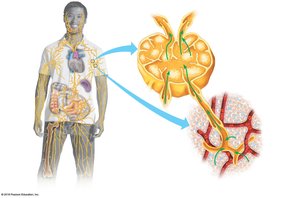
The lymphatic system is involved in both innate and adaptive immunity. It consists of lymphatic vessels, lymph nodes, and lymph (a fluid similar to interstitial fluid but with fewer nutrients and less oxygen). Lymph organs are packed with white blood cells that fight infections.
Main functions: Return tissue fluid to the circulatory system and fight infection.
24.5 Lymphocytes Mount a Dual Defense
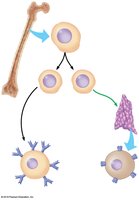
Lymphocytes originate from stem cells in the bone marrow. B lymphocytes (B cells) mature in the bone marrow, while T lymphocytes (T cells) mature in the thymus. B and T cells defend against infections in body fluids and inside cells, respectively.
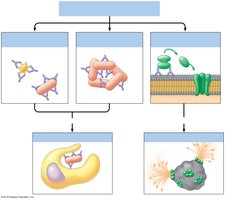
Humoral immune response: B cells produce antibodies that act against free-floating antigens in body fluids.
Cell-mediated immune response: T cells attack infected cells directly.
24.6 Antigen Receptors and Antibodies Bind to Specific Regions on an Antigen
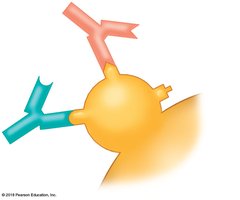
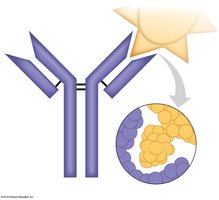
B cells bind antigens directly, while T cells require antigen presentation. The specific part of an antigen recognized by antibodies or antigen receptors is called the epitope. The region on the antibody or receptor that binds the epitope is the antigen-binding site.
24.7 Clonal Selection Mobilizes Defensive Forces
Clonal selection is the process by which an antigen activates only those lymphocytes with receptors specific for that antigen. These selected cells multiply into effector cells (which combat the antigen) and memory cells (which provide long-term immunity).
Effector cells: Short-lived cells that secrete antibodies or attack infected cells.
Memory cells: Long-lived cells that respond rapidly upon re-exposure to the antigen.
24.8 Primary and Secondary Immune Responses
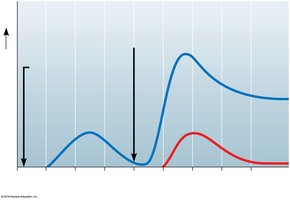
The primary immune response occurs upon first exposure to an antigen and is slower and weaker. The secondary immune response is faster, stronger, and longer-lasting due to the presence of memory cells.
24.9 Herd Immunity
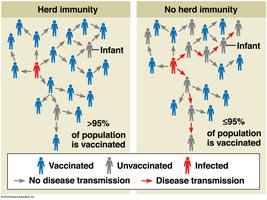
Herd immunity occurs when a high percentage of the population is vaccinated, preventing the spread of infectious diseases even to unvaccinated individuals. This is the rationale for mandatory vaccinations in public health policy.
24.10 The Structure and Function of Antibodies
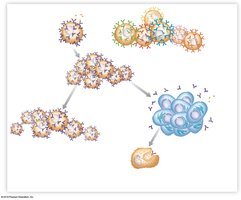
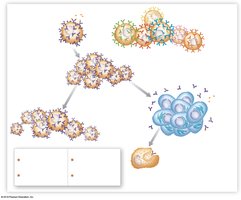
Antibodies do not kill pathogens directly but mark them for destruction by forming antigen-antibody complexes. Antibodies have specific antigen-binding sites that match the shape of their target antigen.
24.11 Measuring Vaccine Effectiveness
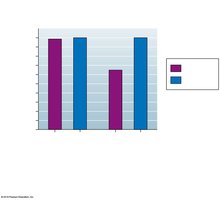
Scientists measure antibody levels to assess the duration of vaccine-induced immunity. For HPV vaccines, studies track the persistence of anti-HPV-16 and anti-HPV-18 antibodies over several years.
24.12 Helper T Cells Stimulate Immune Responses
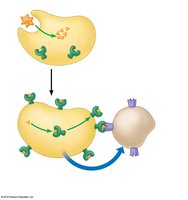
Helper T cells are activated when they recognize a complex of a foreign antigen and a self protein on an antigen-presenting cell. Once activated, helper T cells stimulate both B cells (humoral response) and cytotoxic T cells (cell-mediated response).
24.13 Cytotoxic T Cells Destroy Infected Body Cells
Cytotoxic T cells recognize infected cells by binding to self-nonself complexes on their surfaces. They release perforin, which forms pores in the infected cell's membrane, and enzymes that induce cell death. This process eliminates the pathogen's reservoir and exposes antigens to antibodies.
24.14 HIV and AIDS
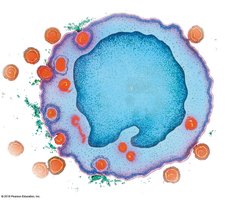
HIV infects and destroys helper T cells, severely compromising the immune system and leading to AIDS. This makes patients susceptible to opportunistic infections and certain cancers. Antiviral drugs can slow disease progression but do not cure AIDS.
24.15 Evolution of HIV
HIV mutates rapidly due to the lack of proofreading by reverse transcriptase, leading to the emergence of drug-resistant strains and complicating treatment efforts.
24.16 Self-Recognition and MHC Molecules
Lymphocytes distinguish self from nonself using major histocompatibility complex (MHC) molecules, which are unique to each individual. This system is crucial for immune function but complicates organ transplantation due to the risk of rejection.
Disorders of the Immune System
24.17 Immune System Disorders
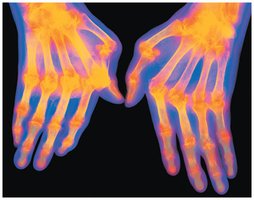
Autoimmune disorders: The immune system attacks self molecules (e.g., rheumatoid arthritis, type 1 diabetes).
Immunodeficiency disorders: Components of the immune system are missing or nonfunctional, leading to frequent infections (e.g., SCID, AIDS).
24.18 Allergies: Overreactions to Environmental Antigens
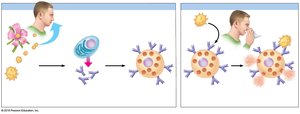
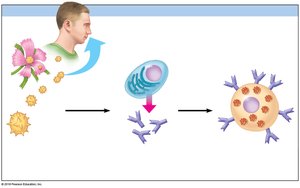
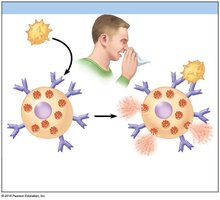
Allergies are hypersensitive responses to harmless antigens (allergens). The reaction involves two stages: sensitization (initial exposure) and later exposure, which triggers histamine release and allergy symptoms. Antihistamines can provide temporary relief.
Summary Table: Innate vs. Adaptive Immunity
Feature | Innate Immunity | Adaptive Immunity |
|---|---|---|
Response Time | Immediate | Slower (days) |
Specificity | Broad | Highly specific |
Memory | None | Yes |
Main Components | Barriers, phagocytes, NK cells, complement | B cells, T cells, antibodies |
