 Back
BackThe Immune System: Recognition and Response
Study Guide - Smart Notes
 Tailored notes based on your materials, expanded with key definitions, examples, and context.
Overview of the Immune System
Recognition and Response
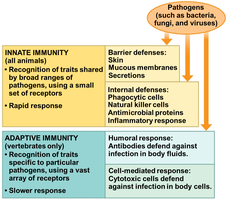
The immune system protects animals from pathogens—agents that cause disease, such as bacteria, viruses, and fungi. All animals possess innate immunity, which provides immediate, broad defense against infection. Vertebrates also possess adaptive immunity, which develops after exposure to specific pathogens and provides targeted responses.
Innate Immunity
General Features
Innate immunity is present in all animals and plants. It is the first line of defense and acts rapidly upon infection. Innate immunity relies on the recognition of traits common to groups of pathogens using a small set of receptors.
Barrier defenses: Skin, mucous membranes, and secretions prevent pathogen entry.
Internal defenses: Phagocytic cells, natural killer cells, antimicrobial proteins, and the inflammatory response act against pathogens that breach barriers.
Innate Immunity in Invertebrates
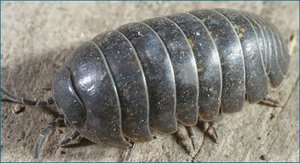
Invertebrates, such as insects, rely on their exoskeleton as a physical barrier. Enzymes like lysozyme in the digestive tract break down bacterial cell walls. Immune cells recognize pathogens by binding to molecules specific to viruses or microorganisms, triggering broad defensive responses.
Phagocytosis and Hemocytes
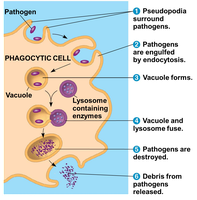
Hemocytes in invertebrates circulate in the hemolymph and perform phagocytosis—the ingestion and breakdown of foreign substances. They also release antimicrobial peptides that disrupt the plasma membranes of fungi and bacteria.
Innate Immunity in Vertebrates
Vertebrate innate immunity includes barrier defenses, phagocytosis, and antimicrobial peptides. Unique vertebrate defenses include natural killer cells, interferons, and the inflammatory response.
Barrier Defenses
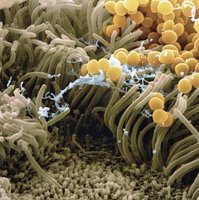
Barrier defenses in vertebrates include the skin and mucous membranes of the respiratory, urinary, and reproductive tracts. Mucus traps microbes, and body fluids like saliva, mucus, and tears are hostile to many microbes. The low pH of skin and the digestive system inhibits bacterial growth.
Cellular Innate Defenses
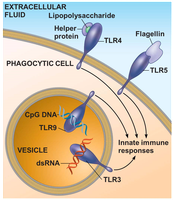
Phagocytic cells recognize groups of pathogens using Toll-like receptors (TLRs), which bind to fragments of molecules characteristic of pathogens. The two main types of phagocytic cells are neutrophils (circulate in blood, attracted to infection sites) and macrophages (found throughout the body).
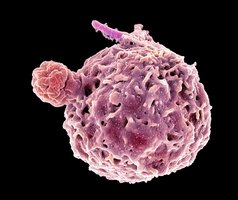
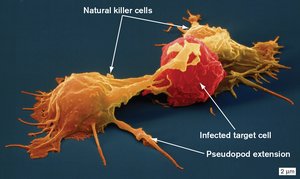
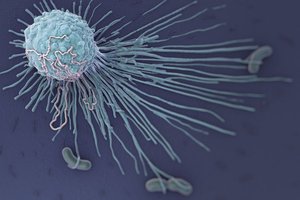
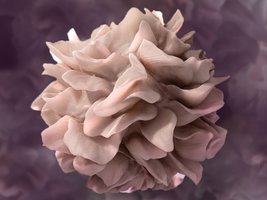
Dendritic cells stimulate adaptive immunity in tissues exposed to the environment, while eosinophils attack multicellular invaders by releasing destructive enzymes. Natural killer cells detect abnormal cells and induce apoptosis, helping control viral infections and cancer.
Antimicrobial Peptides and Proteins
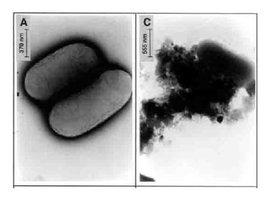
Pathogen recognition in mammals triggers the release of peptides and proteins that attack pathogens or impede their reproduction, sometimes causing lysis of invading cells.
Inflammatory Response
The inflammatory response is characterized by pain and swelling, resulting from molecules released upon injury or infection. Activated macrophages and neutrophils release cytokines, which promote blood flow to the site. Mast cells release histamine, causing blood vessels to dilate and become more permeable, leading to the accumulation of pus.
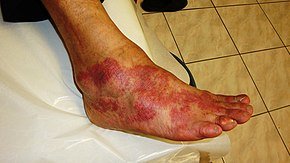
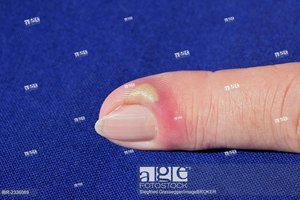
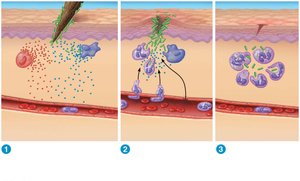
Inflammation can be local or systemic. Fever is a systemic inflammatory response, while septic shock is a life-threatening condition caused by overwhelming inflammation.
Evasion of Innate Immunity by Pathogens
Some pathogens have evolved adaptations to avoid destruction by phagocytic cells. For example, bacterial capsules can interfere with molecular recognition, and Mycobacterium tuberculosis resists breakdown within lysosomes after being engulfed.
Adaptive Immunity
General Features
Adaptive immunity is found only in vertebrates and relies on lymphocytes (B cells and T cells). It provides pathogen-specific recognition and a slower, but highly specific, response. Adaptive immunity has four major characteristics: diversity of lymphocytes and receptors, self-tolerance, proliferation after activation, and immunological memory.
Antigen Recognition
Antigens are substances that elicit a response from B or T cells. Recognition occurs when a B or T cell binds to an antigen via its antigen receptor. The small, accessible part of an antigen that binds to the receptor is called an epitope.
B Cells and Antibodies
B cell antigen receptors are Y-shaped molecules with two identical heavy chains and two identical light chains. The variable (V) regions differ greatly and determine antigen specificity. Upon activation, B cells secrete antibodies (immunoglobulins), which are similar to B cell receptors but are not membrane-bound.
T Cells and Antigen Presentation
T cell receptors consist of two different polypeptide chains (α and β). T cells bind only to antigen fragments presented on host cells by major histocompatibility complex (MHC) molecules. This process, called antigen presentation, is essential for T cell participation in adaptive immunity.
Development and Diversity of B and T Cells
Lymphocyte diversity is generated by rearrangement of DNA segments encoding antigen receptors. Self-tolerance is ensured by eliminating or inactivating self-reactive lymphocytes during development. Upon activation by antigen binding, lymphocytes proliferate (clonal selection) to produce effector and memory cells.
Immunological Memory
Immunological memory enables long-term protection. The primary immune response occurs upon first exposure to an antigen, while the secondary response is faster and stronger due to memory cells.
Adaptive Immunity: Mechanisms of Defense
Humoral and Cell-Mediated Responses
B and T lymphocytes mediate two types of adaptive responses:
Humoral immune response: Antibodies neutralize or eliminate toxins and pathogens in body fluids.
Cell-mediated immune response: Specialized T cells destroy infected host cells.
Helper T Cells
Helper T cells activate both humoral and cell-mediated immune responses. They require antigen presentation by antigen-presenting cells and secrete cytokines to stimulate other immune cells.
B Cells and Antibodies
Activated B cells proliferate and differentiate into plasma cells, which secrete antibodies. Antibodies mark pathogens for destruction by neutralization, opsonization, or activation of the complement system.
Cytotoxic T Cells
Cytotoxic T cells recognize infected cells via antigen presentation and secrete proteins that disrupt target cell membranes, inducing apoptosis.
Active and Passive Immunity
Types of Immunity
Active immunity develops naturally after infection or artificially through vaccination. Passive immunity provides immediate, short-term protection via transfer of antibodies (e.g., from mother to fetus or infant).
Disruptions in Immune System Function
Allergies
Allergies are hypersensitive immune responses to harmless antigens (allergens). They involve the release of histamine and other inflammatory chemicals.
Autoimmune Diseases
Autoimmune diseases occur when the immune system targets the body's own molecules. Examples include lupus, rheumatoid arthritis, type 1 diabetes, and multiple sclerosis.
Immune System Avoidance by Pathogens
Some viruses evade immune responses by entering a latent state or by directly attacking immune cells, as seen in HIV infection leading to AIDS.
Cancer and Immunity
The immune system helps defend against cancer, especially those caused by viruses. Vaccines, such as the HPV vaccine, can prevent virus-associated cancers.
