 Back
The Molecules of the Cell: Structure, Function, and Biological Reactions
Study Guide - Smart Notes
 Tailored notes based on your materials, expanded with key definitions, examples, and context.
Carbon and Organic Molecules
Properties of Carbon
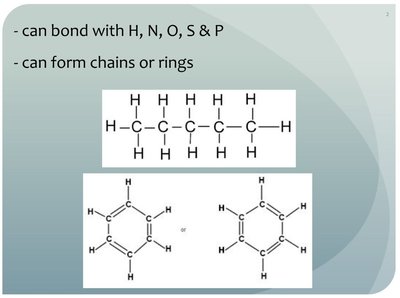
Carbon is a fundamental element in biological molecules due to its ability to form four strong covalent bonds with many other elements, including hydrogen, nitrogen, oxygen, sulfur, and phosphorus. This versatility allows carbon atoms to bond with each other, forming long chains and rings, which are the backbone of organic molecules. - Key Point 1: Carbon can form single, double, and triple bonds, enabling a variety of molecular structures. - Key Point 2: Carbon's bonding properties allow for the creation of complex molecules essential for life. - Example: Methane (CH4), acetylene (C2H2), butadiene (C4H6), and benzene (C6H6) are examples of carbon-based molecules with different bonding arrangements. 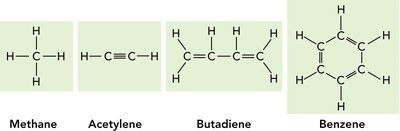
Organic Compounds and Hydrocarbons
Organic compounds are carbon-based molecules that build cells. Hydrocarbons, composed solely of carbon and hydrogen, form the backbone of biological macromolecules. - Key Point 1: Organic molecules are essential for cell structure and function. - Key Point 2: Hydrocarbons provide the structural framework for more complex biomolecules. 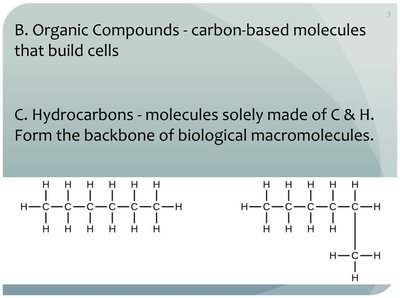
Macromolecules: Structure and Formation
Monomers and Polymers
Macromolecules are large organic molecules found in living things. They are often composed of smaller units called monomers, which join together through polymerization to form polymers. - Key Point 1: Monomers are the building blocks of polymers. - Key Point 2: Polymerization is the process of linking monomers to create larger molecules. 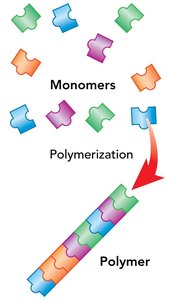
Dehydration Synthesis and Hydrolysis
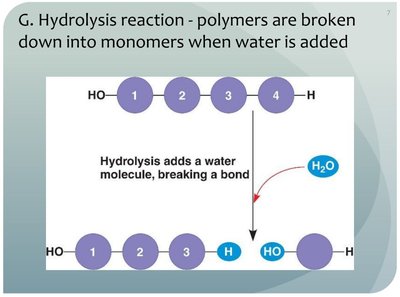
Polymers are formed by dehydration synthesis, a reaction in which water is lost as monomers join together. Conversely, hydrolysis breaks polymers into monomers by adding water. - Key Point 1: Dehydration synthesis builds polymers by removing water. - Key Point 2: Hydrolysis breaks polymers by adding water. - Example: Formation and breakdown of polysaccharides, proteins, and nucleic acids. 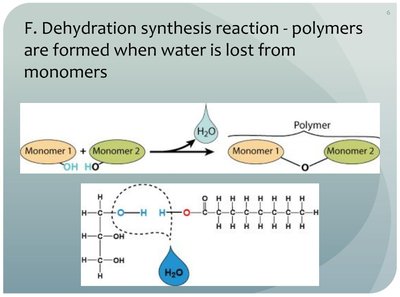
Major Biological Macromolecules
Types and Functions
There are four major classes of macromolecules in living organisms: carbohydrates, lipids, nucleic acids, and proteins. Each has distinct monomers and functions. - Carbohydrates: Monomer = monosaccharide; provide quick energy and structural support. - Lipids: Not true polymers; store energy, form cell membranes, and act as signaling molecules. - Nucleic Acids: Monomer = nucleotide; store and transmit genetic information. - Proteins: Monomer = amino acid; catalyze reactions, provide structure, and regulate processes. 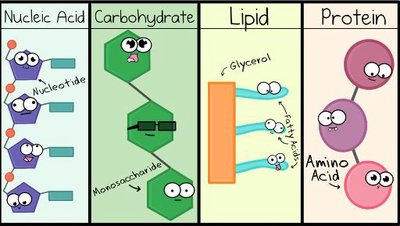
Carbohydrates
Carbohydrates are composed of monosaccharides (simple sugars) and serve as fuel and structural components. - Key Point 1: Monosaccharides include glucose and fructose. - Key Point 2: Polysaccharides like cellulose, starch, and glycogen have structural and energy storage roles. 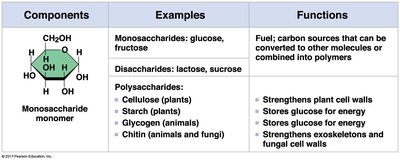
Lipids
Lipids include fats, phospholipids, and steroids. They are important for energy storage, membrane structure, and signaling. - Key Point 1: Fats are composed of glycerol and fatty acids. - Key Point 2: Phospholipids form cell membranes; steroids act as hormones. 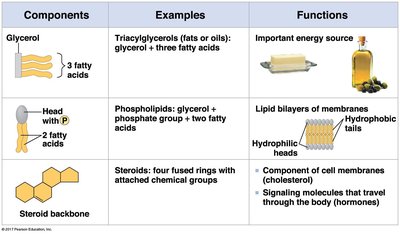
Nucleic Acids
Nucleic acids (DNA and RNA) are polymers of nucleotides and are responsible for storing and transmitting genetic information. - Key Point 1: DNA stores hereditary information. - Key Point 2: RNA is involved in gene expression and protein synthesis. 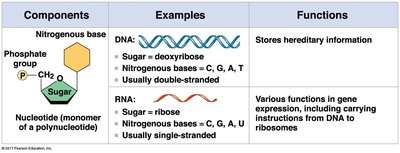
Proteins
Proteins are polymers of amino acids and perform a wide range of functions, including catalysis, defense, transport, and structural support. - Key Point 1: Enzymes are proteins that catalyze chemical reactions. - Key Point 2: Proteins have diverse roles in cell structure and function. 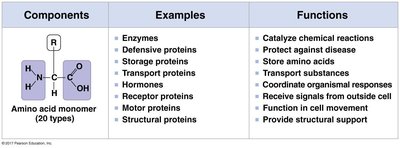
Chemical Reactions in Biology
Reactants and Products
Chemical reactions change one set of compounds into another by altering chemical bonds. - Key Point 1: Reactants are the starting materials; products are the resulting compounds. - Example: 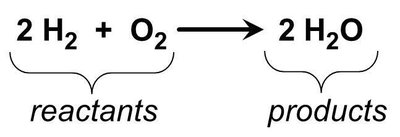
Activation Energy
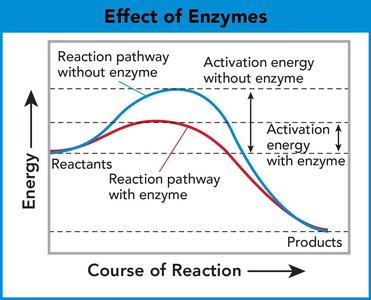
Activation energy is the minimum energy required to start a chemical reaction. Some reactions need a catalyst to proceed efficiently. - Key Point 1: Activation energy acts as a barrier to reaction. - Key Point 2: Catalysts lower activation energy, speeding up reactions. 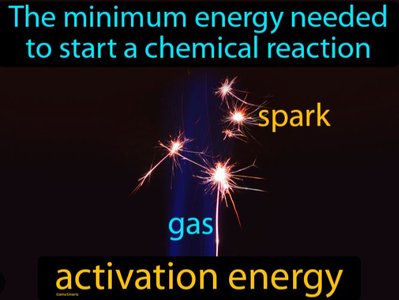
Enzymes: Biological Catalysts
Enzyme Function and Specificity
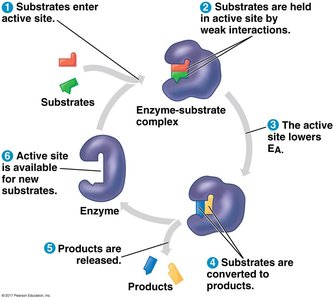
Enzymes are proteins that act as biological catalysts, speeding up chemical reactions by lowering activation energy. They are highly specific, typically catalyzing only one reaction. - Key Point 1: Enzymes have an active site where substrates bind. - Key Point 2: The lock-and-key model explains enzyme specificity. 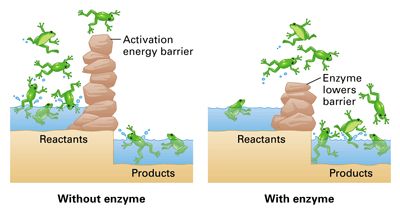
Environmental Effects on Enzyme Activity
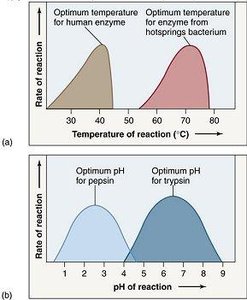
The three-dimensional structure of proteins, including enzymes, is sensitive to environmental factors such as pH, temperature, and salinity. Optimal conditions favor the most active shape; extreme conditions can cause denaturation, altering enzyme function. - Key Point 1: Enzymes work best under specific conditions. - Key Point 2: Denaturation is the loss of protein structure and function. 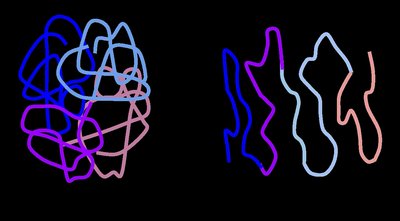
Coenzymes and Cofactors
Coenzymes and cofactors assist enzymes by helping substrates bind to the active site, enhancing reaction rates. - Key Point 1: Coenzymes are helpful, acting as activators. - Key Point 2: Cofactors can be organic or inorganic molecules. 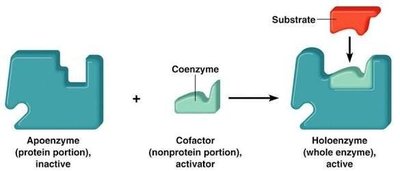
Enzyme Inhibitors and Regulation
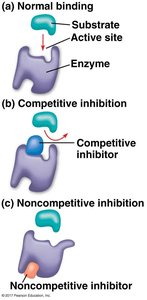
Enzyme activity can be regulated by inhibitors. Competitive inhibitors mimic substrates and block the active site, while noncompetitive inhibitors bind elsewhere, altering enzyme shape and reducing activity. - Key Point 1: Inhibitors are generally harmful as they reduce enzyme activity. - Key Point 2: Allosteric sites are locations where noncompetitive inhibitors bind, affecting enzyme function. 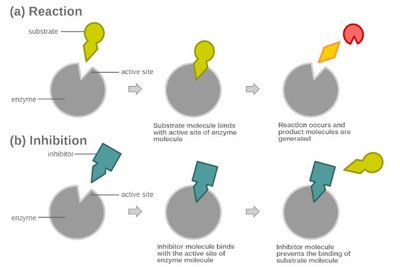
Summary Table: Macromolecules
Comparison of Macromolecule Types
Macromolecule | Monomer | Function |
|---|---|---|
Carbohydrate | Monosaccharide | Energy, structure |
Lipid | Fatty acid (not true polymer) | Energy storage, membrane structure |
Nucleic Acid | Nucleotide | Genetic information |
Protein | Amino acid | Catalysis, structure, regulation |
Additional info: This summary expands on brief notes to provide context for each macromolecule, their monomers, and biological functions. ----------------------------------------
