 Back
The Origin and Diversification of Eukaryotes: Study Notes
Study Guide - Smart Notes
 Tailored notes based on your materials, expanded with key definitions, examples, and context.
The Origin and Diversification of Eukaryotes
Major Events in the History of Life
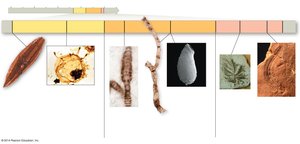
The evolutionary history of eukaryotes is marked by several key events, including the emergence of unicellular and multicellular forms. Eukaryotes are defined by the presence of a membrane-bound nucleus and other organelles, distinguishing them from prokaryotes. Fossil and chemical evidence provides insight into the timeline of eukaryotic evolution.
Unicellular Eukaryotes: Early eukaryotes were single-celled organisms with complex internal structures.
Multicellular Eukaryotes: Large multicellular forms evolved later, increasing biological complexity.
Fossil Record: Chemical evidence dates eukaryotes to 2.7 billion years ago; the earliest fossil cells are 1.8 billion years old.
Endosymbiosis and the Origin of Eukaryotes
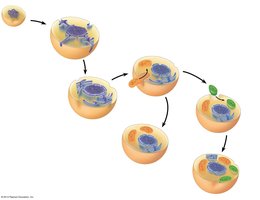
Eukaryotes arose through endosymbiosis, a process in which one cell engulfed another, leading to the formation of organelles such as mitochondria and plastids. This event was fundamental to the evolution of complex cells.
Endosymbiosis: The theory proposes that mitochondria and plastids originated from prokaryotic cells engulfed by ancestral eukaryotes.
Key Evidence: Organelles have membranes and DNA similar to prokaryotes, divide independently, and possess prokaryote-like ribosomes.
Serial Endosymbiosis: Multiple engulfment events led to the diversity of eukaryotic organelles.
Evolution of Multicellularity
Multicellularity evolved several times in eukaryotes, allowing for greater complexity and specialization. This transition required mechanisms for cell adhesion and communication.
Multiple Origins: Multicellularity arose independently in red algae, green algae, brown algae, plants, fungi, and animals.
Cell Adhesion and Signaling: Proteins such as cadherins enabled cells to stick together and communicate.
Examples: Colonial algae (e.g., Volvox) and choanoflagellates illustrate steps toward multicellularity.
Major Groups of Eukaryotes: The Four Supergroups
Eukaryotes are classified into four supergroups based on morphological and molecular data: Excavata, SAR clade, Archaeplastida, and Unikonta. Each supergroup contains diverse lineages with unique adaptations.
Excavata: Characterized by a distinctive cytoskeleton and, in some cases, a feeding groove. Includes diplomonads, parabasalids, and euglenozoans.
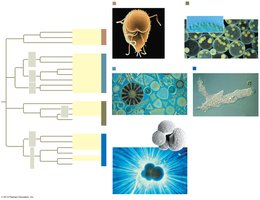
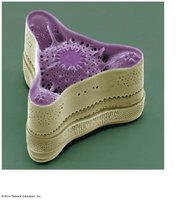
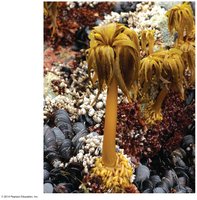
SAR Clade: Composed of stramenopiles (e.g., diatoms, brown algae), alveolates (e.g., dinoflagellates, ciliates), and rhizarians (e.g., foraminiferans, cercozoans).
Archaeplastida: Includes red algae, green algae, and land plants. Plastids originated from cyanobacterial endosymbionts.
Unikonta: Contains animals, fungi, and amoebozoans. Two main clades: amoebozoans and opisthokonts.
Excavata
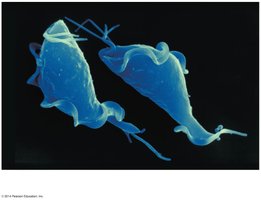
The supergroup Excavata is defined by its cytoskeletal features and includes several important protists.
Diplomonads: Often parasitic, lack functional mitochondria.
Parabasalids: Includes Trichomonas vaginalis, a human parasite.
Euglenozoans: Includes free-living and parasitic species, such as Trypanosoma (causes sleeping sickness).
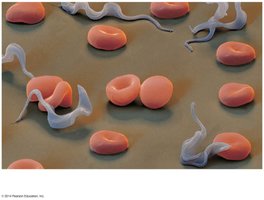
SAR Clade
The SAR clade is a diverse supergroup named for its three major lineages: stramenopiles, alveolates, and rhizarians.
Stramenopiles: Includes diatoms (unicellular algae with silica walls) and brown algae (multicellular seaweeds).
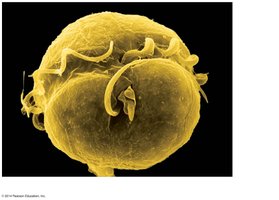
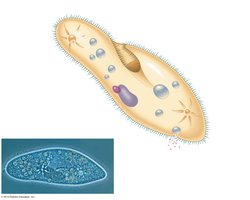
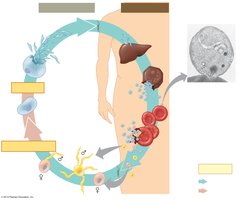
Alveolates: Includes dinoflagellates (cause red tides), apicomplexans (e.g., Plasmodium, malaria parasite), and ciliates (e.g., Paramecium).
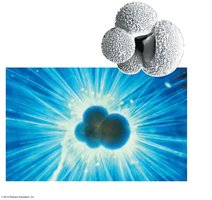
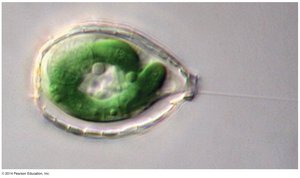
Rhizarians: Includes foraminiferans (porous shells), cercozoans, and autotrophic Paulinella chromatophora.
Archaeplastida
Archaeplastida includes red algae, green algae, and land plants. This supergroup is defined by the presence of plastids derived from cyanobacteria.
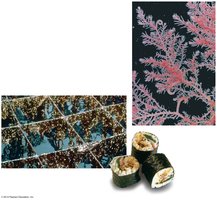
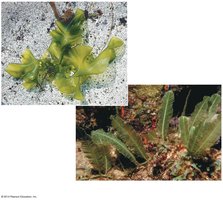
Red Algae: Reddish due to phycoerythrin pigment; mostly multicellular.
Green Algae: Includes charophytes (closely related to land plants) and chlorophytes.
Unikonta
Unikonta is a supergroup containing animals, fungi, and amoebozoans. It is divided into two clades: amoebozoans and opisthokonts.
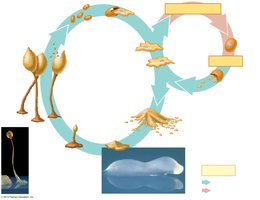
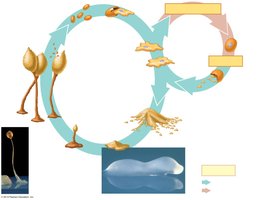
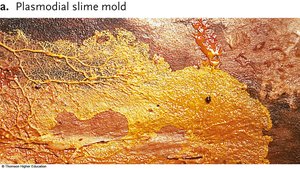
Amoebozoans: Mostly free-living, some are parasites. Slime molds are notable examples.
Opisthokonts: Includes animals, fungi, and related protists.
Structural and Functional Diversity in Protists
Protists exhibit remarkable structural and functional diversity. They can be single-celled or multicellular, and their nutritional modes include photoautotrophy, heterotrophy, and mixotrophy.
Complexity: Single-celled protists carry out all life functions within one cell.
Habitat: Primarily aquatic.
Reproduction: Both sexual and asexual modes are common.
Ecological Roles and Human Health
Single-celled eukaryotes, especially protists, play crucial roles in ecosystems and can impact human health. Many are primary producers in aquatic environments, while others are pathogens.
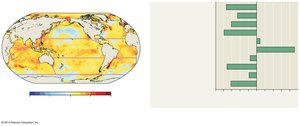
Photosynthetic Protists: Responsible for about 30% of global photosynthesis; their productivity is affected by climate change.
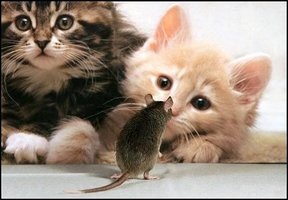
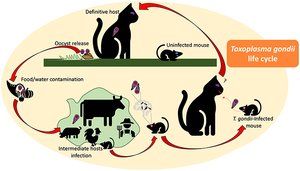
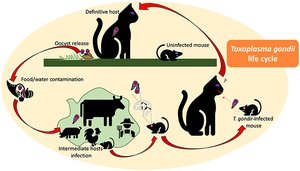
Pathogenic Protists: Plasmodium causes malaria; Toxoplasma gondii affects behavior in hosts.
Summary Table: Key Features of Eukaryotic Supergroups
Supergroup | Main Lineages | Key Features |
|---|---|---|
Excavata | Diplomonads, Parabasalids, Euglenozoans | Distinct cytoskeleton, feeding groove, parasitic and free-living forms |
SAR Clade | Stramenopiles, Alveolates, Rhizarians | Diverse algae, protozoa, and parasites; silica shells, flagella, red tides |
Archaeplastida | Red algae, Green algae, Land plants | Plastids from cyanobacteria, multicellular seaweeds, sexual reproduction |
Unikonta | Amoebozoans, Opisthokonts | Slime molds, animals, fungi; cell signaling and adhesion |
Evolutionary History of Domains and Major Groups
The evolutionary tree of life illustrates the relationships among the three domains (Bacteria, Archaea, Eukarya) and the major eukaryotic groups. Eukaryotes share ancestry with both bacteria and archaea, with mitochondria and chloroplasts derived from endosymbiotic events.
Additional info:
Multicellularity and cell signaling mechanisms are critical for the evolution of complex life forms.
Protists are not a monophyletic group; their diversity reflects multiple evolutionary origins.
Climate change impacts the productivity of photosynthetic protists, affecting global carbon cycles and fisheries.
