Back
The Origin and Diversification of Eukaryotes: Study Notes
Study Guide - Smart Notes
 Tailored notes based on your materials, expanded with key definitions, examples, and context.
The Origin and Diversification of Eukaryotes
Major Events in the History of Life
The evolutionary history of eukaryotes is marked by several key events, including the emergence of unicellular and multicellular forms. Eukaryotes arose more than 1.8 billion years ago, and their diversification has shaped the tree of life.
Large multicellular eukaryotes evolved after small single-cell eukaryotes.
Fossil evidence and chemical markers trace eukaryotic origins to ancient times.
Evolutionary trees illustrate relationships among plants, fungi, animals, protists, archaea, and bacteria.
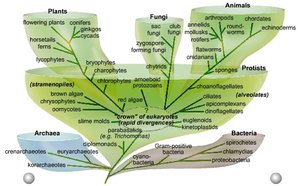
Concept 25.1: Eukaryotes Arose by Endosymbiosis
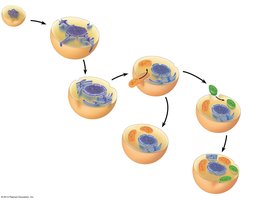
Eukaryotes originated through endosymbiosis, a process in which one cell engulfed another, leading to the formation of organelles such as mitochondria and plastids. Early eukaryotes were unicellular, possessing a membrane-bound nucleus and a complex cytoskeleton.
Endosymbiosis explains the origin of mitochondria and chloroplasts.
Key evidence: Organelle membranes, division, DNA structure, and ribosomes resemble those of prokaryotes.
Serial endosymbiosis led to the evolution of photosynthetic eukaryotes.
Fossil Record of Early Eukaryotes
Chemical evidence dates eukaryotes to 2.7 billion years ago.
The earliest fossil eukaryotic cells are 1.8 billion years old.
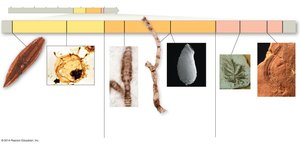
Concept 25.2: Evolution of Multicellularity
Multicellularity has evolved multiple times in eukaryotes, allowing for greater complexity and diversification. This transition required mechanisms for cell adhesion and communication.
Multicellular lineages: Red algae, green algae, brown algae, plants, fungi, and animals.
Colonial algae: Evolution from unicellular to multicellular forms, as seen in Volvox.
Choanoflagellates: Closest relatives to animals; mechanisms for cell adhesion evolved, such as cadherins.
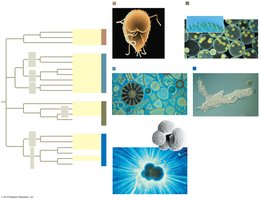
Concept 25.3: Four Supergroups of Eukaryotes
Modern classification divides eukaryotes into four supergroups based on morphological and molecular data: Excavata, SAR clade, Archaeplastida, and Unikonta.
Excavata: Characterized by a unique cytoskeleton and, in some cases, a feeding groove.
SAR clade: Includes stramenopiles, alveolates, and rhizarians.
Archaeplastida: Comprises red algae, green algae, and land plants.
Unikonta: Includes animals, fungi, and amoebozoans.
Excavata
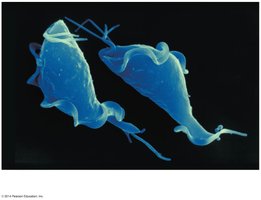
Diplomonads, Parabasalids, Euglenozoans: Notable for their cytoskeletal features and feeding grooves.
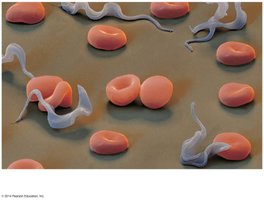
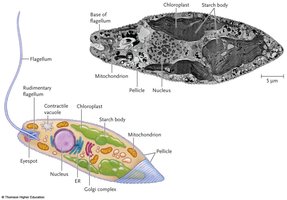
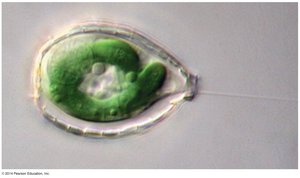
Examples: Trichomonas vaginalis (parabasalid parasite), Trypanosoma (kinetoplastid causing sleeping sickness), Euglena gracilis (free-living aquatic protist).
SAR Clade
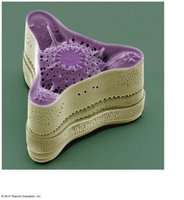
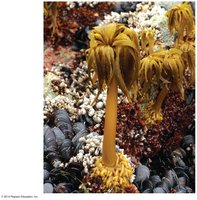
Stramenopiles: Diatoms (unicellular algae with glass-like walls), brown algae (multicellular seaweeds).
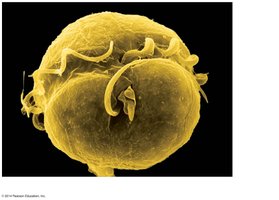
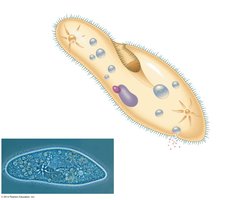
Alveolates: Dinoflagellates (cause red tides), ciliates (predators of bacteria and protists).
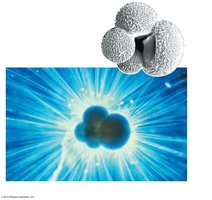
Rhizarians: Foraminiferans (porous shells), cercozoans (amoeboid and flagellated protists).
Archaeplastida
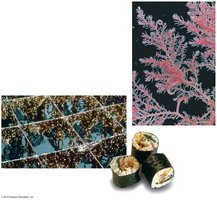
Red algae: Reddish color due to phycoerythrin; mostly multicellular; important in food (e.g., nori).
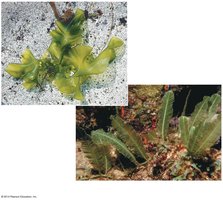
Green algae: Charophytes (closely related to land plants) and chlorophytes.
Unikonta
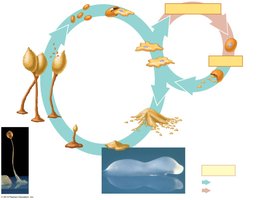
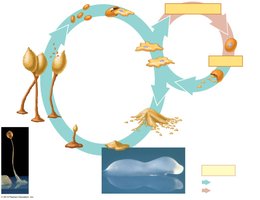
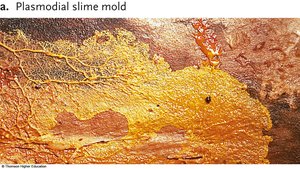
Amoebozoans: Free-living and parasitic forms; slime molds (e.g., Dictyostelium).
Opisthokonts: Includes animals, fungi, and related protists.
Structural and Functional Diversity in Protists
Protists exhibit remarkable structural and functional diversity. They are primarily aquatic, mostly unicellular, but several multicellular lineages exist. Nutritional modes include photoautotrophy, heterotrophy, and mixotrophy.
Reproduction: Both sexual and asexual methods are observed.
Complexity: Single-celled protists carry out all biological functions within one cell.
Concept 25.4: Ecological Roles and Human Health
Single-celled eukaryotes, especially protists, play crucial roles in ecological communities and impact human health. Many are important producers, contributing to global photosynthesis, and their abundance is affected by climate change.
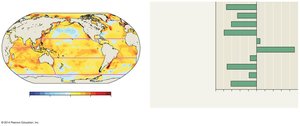
Photosynthetic protists: Account for 30% of global photosynthesis; main producers in aquatic environments.
Climate change: Warming oceans reduce photosynthetic protist populations, affecting ecosystems and the carbon cycle.
Effects on Human Health
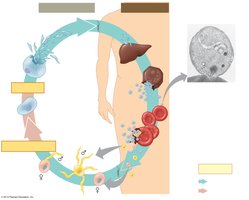
Malaria: Caused by the apicomplexan Plasmodium; life cycle involves both humans and mosquitoes.
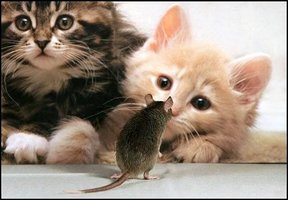
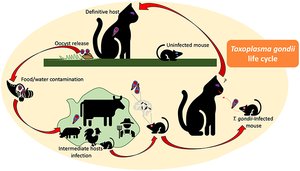
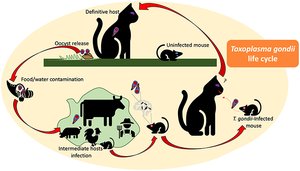
Toxoplasma gondii: An apicomplexan affecting mice and humans; can alter behavior and pose risks to pregnant women.

Summary Table: Major Eukaryotic Supergroups
Supergroup | Main Characteristics | Examples |
|---|---|---|
Excavata | Feeding groove, unique cytoskeleton | Trichomonas, Euglena, Trypanosoma |
SAR Clade | Stramenopiles, alveolates, rhizarians | Diatoms, brown algae, dinoflagellates, ciliates, forams |
Archaeplastida | Plastids from cyanobacterial endosymbiont | Red algae, green algae, land plants |
Unikonta | Amoebozoans, opisthokonts | Slime molds, fungi, animals |
Evolutionary History of Domains and Major Groups
The evolutionary history of life includes the divergence of three domains: Bacteria, Archaea, and Eukarya. Eukaryotes are distinguished by the presence of mitochondria and chloroplasts, which originated via endosymbiosis.