 Back
BackThe Origin and Evolution of Vertebrates
Study Guide - Smart Notes
 Tailored notes based on your materials, expanded with key definitions, examples, and context.
Chapter 34: The Origin and Evolution of Vertebrates
Introduction
This chapter explores the evolutionary history and diversity of vertebrates, a major group within the animal kingdom. It covers the key characteristics of chordates, the emergence of vertebrates, the development of jaws, the transition to land, and the diversification of major vertebrate lineages including amphibians, reptiles, birds, and mammals.
Chordates: Key Features and Evolutionary Relationships
Defining Characteristics of Chordates
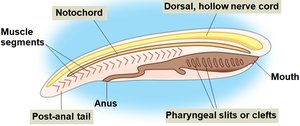
Chordates (phylum Chordata) are bilaterian animals within the clade Deuterostomia. All chordates share four key derived traits at some stage of their life cycle:
Notochord: A flexible, rod-shaped structure that provides skeletal support.
Dorsal, hollow nerve cord: Develops into the central nervous system (brain and spinal cord).
Pharyngeal slits or clefts: Openings in the pharynx that function in filter-feeding, gas exchange, or develop into parts of the ear, head, and neck in tetrapods.
Post-anal tail: A tail that extends posterior to the anus, containing skeletal elements and muscles.
Chordate Diversity and Phylogeny
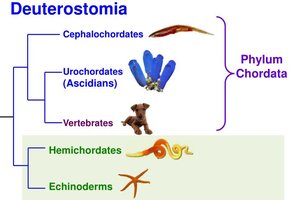
Chordates include three major groups:
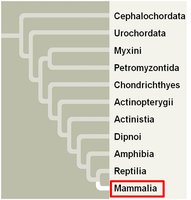
Cephalochordates (lancelets)
Urochordates (tunicates or sea squirts)
Vertebrates (animals with backbones)
Examples of Basal Chordates
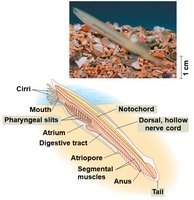
Lancelets (Cephalochordata): Marine suspension feeders that retain all chordate features as adults.
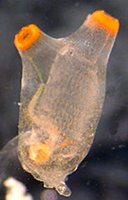
Tunicates (Urochordata): More closely related to vertebrates than lancelets; exhibit chordate features mainly during larval stage.
Vertebrates: Chordates with a Backbone
Key Innovations in Vertebrates
Vertebrates are distinguished by a backbone composed of vertebrae and a more complex nervous system. These adaptations have enabled efficient food capture and predator evasion.
Jawless Vertebrates: Cyclostomes
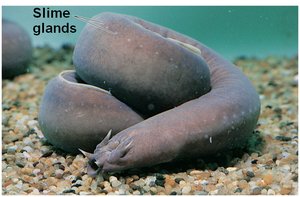
Hagfishes (Myxini): Jawless, cartilaginous skull, produce slime for defense.
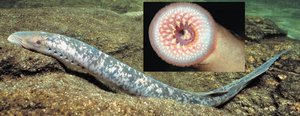
Lampreys (Petromyzontida): Jawless, some are parasitic, possess a notochord and cartilaginous skeleton.
Gnathostomes: Vertebrates with Jaws
Evolutionary Advantages of Jaws
Gnathostomes are jawed vertebrates, a group that includes sharks, ray-finned fishes, lobe-finned fishes, amphibians, reptiles, birds, and mammals. Jaws allow for more efficient predation and food processing.
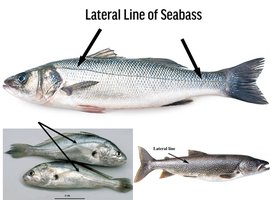
Lateral line system: Sensory organs in aquatic gnathostomes that detect vibrations.
Fossil Gnathostomes
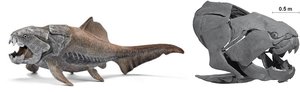
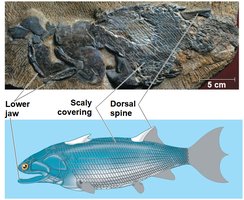
The earliest jawed vertebrates appeared about 440 million years ago and included armored placoderms.
Chondrichthyans: Cartilaginous Fishes
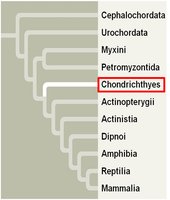
Chondrichthyans include sharks, rays, and chimaeras. Their skeletons are primarily cartilaginous.
Reproductive Strategies in Vertebrates
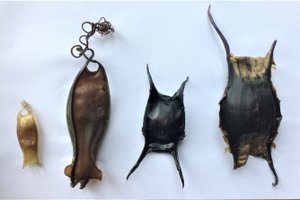
Oviparous: Eggs hatch outside the mother's body.
Ovoviviparous: Eggs hatch within the mother's body.
Viviparous: Young develop within the uterus and are nourished by the mother.
Osteichthyans: Bony Fishes and Tetrapods
Ray-Finned and Lobe-Finned Fishes
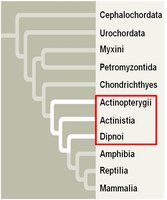
Ray-finned fishes (Actinopterygii): Fins supported by long, flexible rays; most familiar fish species.
Lobe-finned fishes (Sarcopterygii): Fins with rod-shaped bones and thick muscle; include coelacanths, lungfishes, and tetrapods.
Tetrapods: Vertebrates with Limbs
Key Adaptations of Tetrapods
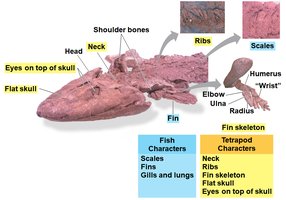
Tetrapods evolved from lobe-finned fishes and are characterized by four limbs with digits, a neck, fusion of the pelvic girdle to the backbone, and ears for detecting airborne sounds.
The Origin of Tetrapods
Tiktaalik is a transitional fossil showing both fish and tetrapod features, such as fins with bone structure similar to limbs, a neck, and ribs.
Amphibians: The First Tetrapods on Land
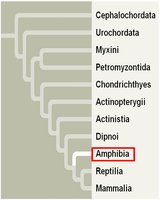
Major Groups of Amphibians
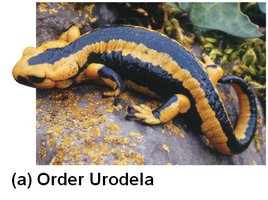
Salamanders (Urodela): Tailed amphibians, some aquatic, some terrestrial.
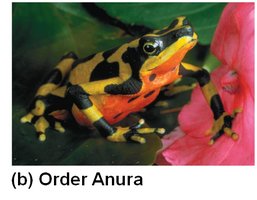
Frogs (Anura): Tailless, powerful hind legs for jumping.
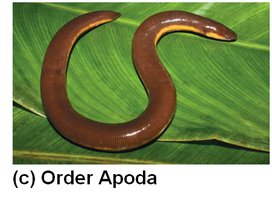
Caecilians (Apoda): Legless, burrowing amphibians.
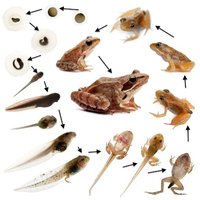
Amphibian Life Cycle and Metamorphosis
Amphibians typically have a life cycle that includes aquatic larvae (tadpoles) and terrestrial adults. Metamorphosis involves significant morphological changes.
Amniotes: Tetrapods with a Terrestrially Adapted Egg
Key Derived Characters of Amniotes
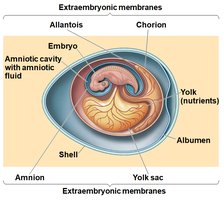
Amniotes include reptiles (including birds) and mammals. The amniotic egg, with its protective membranes, allows reproduction away from water.
Amnion: Encloses the embryo in fluid.
Chorion: Gas exchange.
Yolk sac: Nutrient supply.
Allantois: Waste storage.
Reptiles: Adaptations for Terrestrial Life
Major Groups and Characteristics
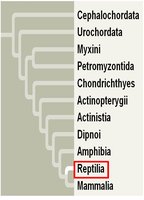
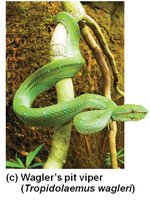
Reptiles include lizards, snakes, turtles, crocodilians, and birds.
Most are ectothermic, except birds, which are endothermic.
Reptiles have scales and lay shelled eggs on land.
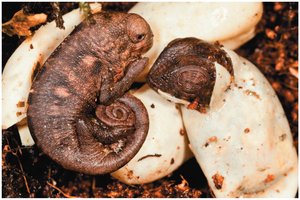
Lepidosaurs and Archosaurs
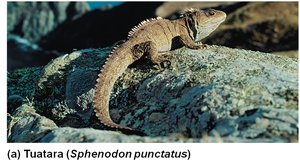
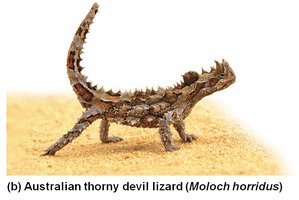
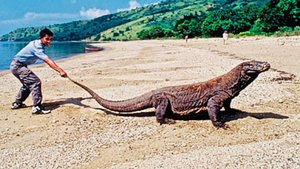
Lepidosaurs: Tuataras, lizards, snakes.
Archosaurs: Crocodilians, birds, and extinct dinosaurs.
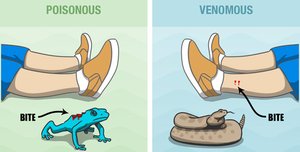
Toxin, Poison, and Venom: Definitions
Term | Definition | Example |
|---|---|---|
Toxin | Chemical produced by living cells/organisms | Viruses, proteins |
Poison | Causes illness/death when absorbed/ingested | Mercury, puffer fish |
Venom | Injected by animal for defense/predation | Scorpion, snake fangs |
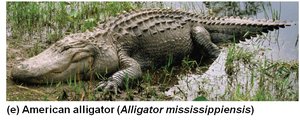
Turtles and Crocodilians
Turtles: Boxlike shell, adapted to diverse habitats.
Crocodilians: Alligators and crocodiles, archosaur lineage.
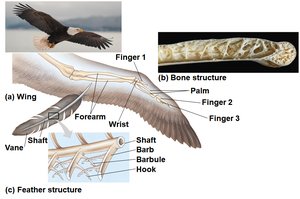
Birds: Modified Reptiles for Flight
Adaptations for Flight
Wings with keratin feathers
Weight-saving adaptations (no bladder, single ovary, no teeth)
High metabolic rate, acute vision, complex behaviors
Origin and Diversity of Birds
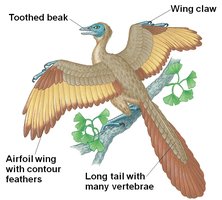
Descended from theropod dinosaurs
Feathers evolved before flight
Archaeopteryx is the oldest known bird
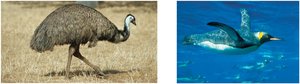
Modern birds (Neornithes) include both flighted and flightless species

Mammals: Amniotes with Hair and Milk
Key Derived Characters of Mammals
Mammary glands (milk production)
Hair and subcutaneous fat for insulation
Efficient respiratory and circulatory systems
Large brain, differentiated teeth, extensive parental care
Major Groups of Mammals
Monotremes: Egg-laying mammals (e.g., echidnas, platypus)
Marsupials: Embryo develops in uterus, completes development in pouch (e.g., kangaroos, koalas)
Eutherians: Placental mammals, complete development in uterus
Primates and Human Evolution
Characteristics of Primates
Hands and feet adapted for grasping, flat nails
Large brain, short jaws, forward-facing eyes, opposable thumb
Human Evolution
Hominins: Extinct species more closely related to humans than to chimpanzees
Key features: upright posture, bipedal locomotion, large brain, reduced jawbones
Homo sapiens originated in Africa ~200,000 years ago
Other hominins: Australopiths, Homo habilis, Homo ergaster, Homo erectus, Neanderthals, Homo floresiensis
Additional info: This summary includes expanded academic context and definitions to ensure the notes are self-contained and suitable for exam preparation.
