 Back
Chapter 24 Notes
Study Guide - Smart Notes
 Tailored notes based on your materials, expanded with key definitions, examples, and context.
Chapter 24: The Origin of Species
Introduction
This chapter explores the processes and mechanisms by which new species arise, focusing on the biological species concept, reproductive barriers, and the patterns of speciation. Understanding speciation is fundamental to evolutionary biology and helps explain the diversity of life on Earth.
Biological Species Concept and Reproductive Isolation
Definition of Species
The biological species concept defines a species as a group of populations whose members have the potential to interbreed in nature and produce viable, fertile offspring. Members of a species are reproductively isolated from other such groups.
Gene flow between populations maintains species integrity.
Reproductive isolation prevents gene flow between different species.
Reproductive Isolation
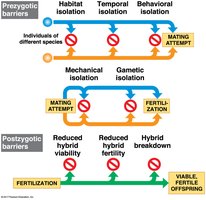
Reproductive isolation refers to biological barriers that impede two species from producing viable, fertile offspring. These barriers can be classified as prezygotic (before fertilization) or postzygotic (after fertilization).
Hybrids: Offspring resulting from the mating of individuals from different species.
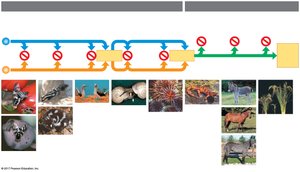
Prezygotic Barriers
Types of Prezygotic Barriers
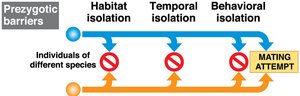
Prezygotic barriers block fertilization from occurring by impeding mating or hindering fertilization if mating is attempted.
Habitat isolation: Species occupy different habitats and rarely encounter each other.
Temporal isolation: Species breed at different times (day, season, or year).
Behavioral isolation: Unique courtship rituals or behaviors prevent mating.
Mechanical isolation: Morphological differences prevent successful mating.
Gametic isolation: Sperm of one species may not fertilize eggs of another species.
Examples of Prezygotic Barriers
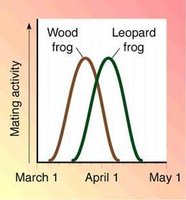
Temporal isolation: Wood frogs and leopard frogs breed at different times in spring, preventing interbreeding.
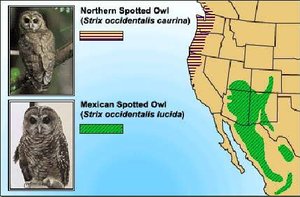
Habitat isolation: Northern and Mexican spotted owls occupy different geographic regions.
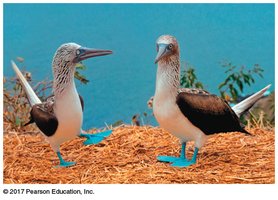
Behavioral isolation: Blue-footed boobies use unique courtship displays to attract mates of their own species.
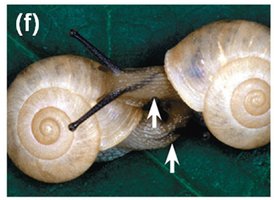
Mechanical isolation: Snails with different shell shapes cannot physically mate.
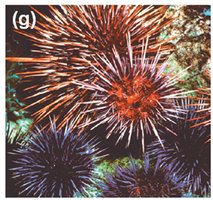
Gametic isolation: Sea urchin gametes are species-specific, preventing cross-fertilization.
Postzygotic Barriers
Types of Postzygotic Barriers
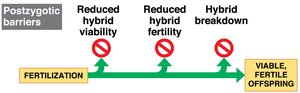
Postzygotic barriers prevent hybrid zygotes from developing into viable, fertile adults.
Reduced hybrid viability: Hybrids fail to develop properly or are frail.
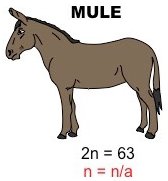
Reduced hybrid fertility: Hybrids are sterile (e.g., mules).
Hybrid breakdown: First-generation hybrids are fertile, but their offspring are weak or sterile.
Example: Hybrid Sterility
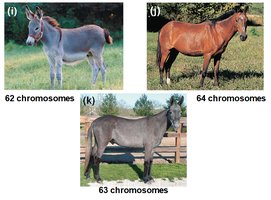
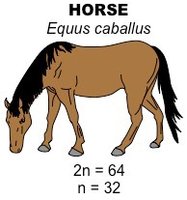
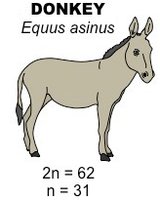
Mule: Offspring of a horse (Equus caballus, 64 chromosomes) and a donkey (Equus asinus, 62 chromosomes) is sterile due to an odd number of chromosomes (63).
Limitations of the Biological Species Concept
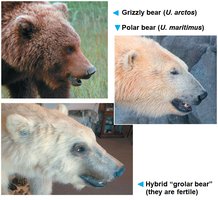
The biological species concept cannot be applied to fossils or asexual organisms. It also does not account for gene flow between distinct species (e.g., grizzly and polar bears producing fertile hybrids known as "grolar bears").
Morphological species concept: Defines species by structural features; applicable to sexual and asexual organisms.
Ecological species concept: Defines species by ecological niche; also applicable to sexual and asexual organisms.
Modes of Speciation
Allopatric Speciation
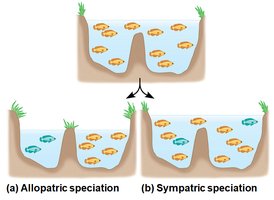
Allopatric speciation occurs when populations are geographically separated, leading to the interruption of gene flow and divergence into new species.
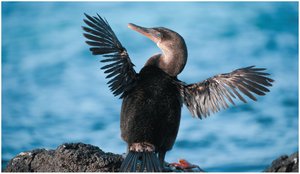
Example: The flightless cormorant of the Galápagos Islands likely evolved from a mainland ancestor.
Peripatric speciation: A small population becomes isolated at the edge of a larger population, leading to speciation.
Evolutionary Processes in Allopatric Speciation
Genetic drift, natural selection, and mutation contribute to divergence.
Reproductive isolation may arise as a by-product of genetic divergence.
Example: Mosquitofish populations evolve different body shapes and escape responses depending on predator presence.
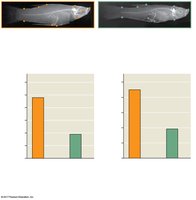
Sympatric Speciation
Sympatric speciation occurs without geographic separation, often through polyploidy, sexual selection, or habitat differentiation.
Parapatric speciation: Adjacent populations evolve into distinct species while maintaining a zone of contact.
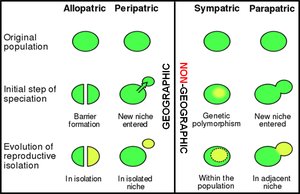
Mechanisms of Sympatric Speciation
Polyploidy: Extra sets of chromosomes lead to instant reproductive isolation, common in plants.
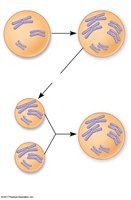
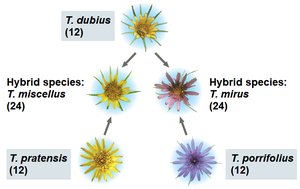
Allopolyploidy: Hybridization between species followed by chromosome doubling creates new species.
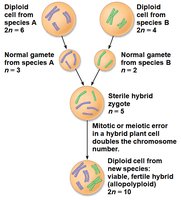
Example: New plant species in the genus Tragopogon have arisen by polyploid speciation.
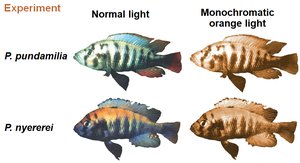
Sexual selection: Divergence in mate choice (e.g., coloration in cichlid fish) can drive sympatric speciation.
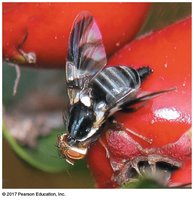
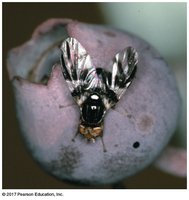
Habitat differentiation: Subpopulations exploit different ecological niches (e.g., maggot flies on hawthorn vs. apple trees).
Hybrid Zones and Their Outcomes
Hybrid Zones
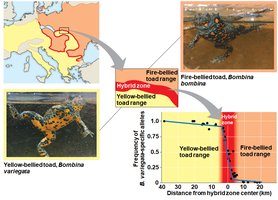
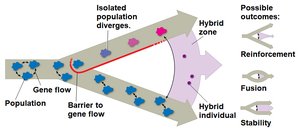
A hybrid zone is a region where members of different species meet and mate, producing hybrids. These zones provide insight into the mechanisms of reproductive isolation and gene flow.
Example: Two species of toad (Bombina) interbreed in a narrow hybrid zone in Europe.
Outcomes of Hybrid Zones
Hybrid zones can have three possible outcomes over time:
Reinforcement: Strengthening of reproductive barriers; hybrids are less fit than parent species.
Fusion: Weakening of reproductive barriers; species merge if hybrids are as fit as parents.
Stability: Continued production of hybrids; parent species remain distinct.
Rates and Genetics of Speciation
Pace of Speciation
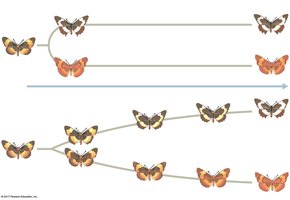
Speciation can occur rapidly or slowly, as shown by the fossil record and genetic studies. Two models describe the tempo of speciation:
Punctuated equilibrium: Species appear suddenly and remain unchanged for long periods, followed by rapid change.
Gradualism: Species diverge slowly and steadily over time.
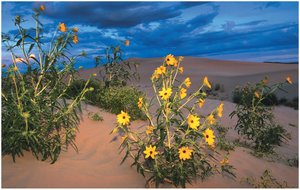
Example: The sunflower Helianthus anomalus formed rapidly by hybridization.
Genetics of Speciation
Speciation can involve changes in a few or many genes. Genetic differences affecting reproductive isolation may include single gene mutations or complex interactions among multiple loci.
Example: Shell coiling in Japanese snails and flower color in monkey flowers are controlled by specific genes affecting reproductive isolation.
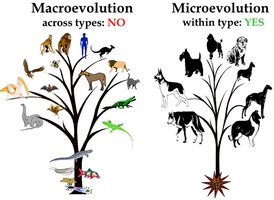
Microevolution vs. Macroevolution
Microevolution refers to changes in allele frequencies within a population over time, while macroevolution encompasses the broader patterns of evolutionary change above the species level, including speciation events.
Summary Table: Types of Reproductive Barriers
Barrier Type | Subtype | Description | Example |
|---|---|---|---|
Prezygotic | Habitat isolation | Species occupy different habitats | Spotted owls |
Prezygotic | Temporal isolation | Breed at different times | Wood and leopard frogs |
Prezygotic | Behavioral isolation | Unique courtship behaviors | Blue-footed boobies |
Prezygotic | Mechanical isolation | Morphological differences prevent mating | Snails with different shell shapes |
Prezygotic | Gametic isolation | Sperm cannot fertilize eggs | Sea urchins |
Postzygotic | Reduced hybrid viability | Hybrids fail to develop or are frail | Hybrid salamanders |
Postzygotic | Reduced hybrid fertility | Hybrids are sterile | Mules |
Postzygotic | Hybrid breakdown | Hybrid's offspring are weak or sterile | Hybrid rice plants |
