 Back
BackThe Origin, Structure, and Adaptations of Birds
Study Guide - Smart Notes
 Tailored notes based on your materials, expanded with key definitions, examples, and context.
Origin of Birds, Feathers, and Flight
Birds as Conspicuous Vertebrates
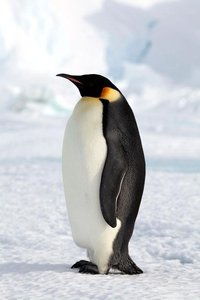
Birds are among the most visible and widespread vertebrates, inhabiting every continent and nearly all habitats. Their diversity and diurnal activity make them readily observable, and they are of significant interest for hunting, bird watching, and scientific research. There are approximately 9,600 extant bird species.
Unique Features of Birds
Feathers: Birds are the only extant vertebrates with feathers, a defining characteristic essential for flight and insulation.
Flight: Birds are one of only two major vertebrate groups capable of powered flight (the other being bats).
Evolutionary Origins
Birds evolved from reptiles, specifically theropod dinosaurs, making them closely related to this group. This evolutionary relationship is supported by numerous shared anatomical features.
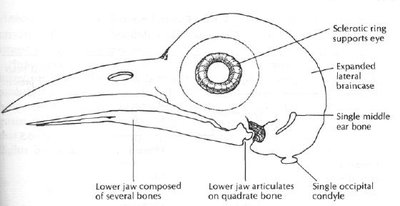
Pneumatic bones: Hollow, air-filled bones reduce weight for flight.
Skull connection: A single occipital condyle connects the skull to the first neck vertebra.
Middle ear: Simplified structure with a single stapes bone.
Scales: Present on the legs and feet of birds.
Tridactyl feet: Three toes point forward, supporting digitigrade posture (walking on toes).
Key Transitional Fossils
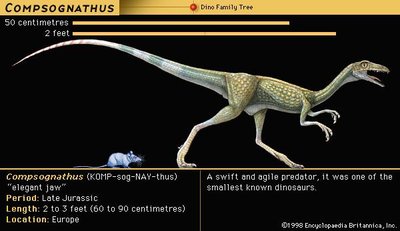
Compsognathus: A small, agile theropod dinosaur from the Late Jurassic, terrestrial predator.
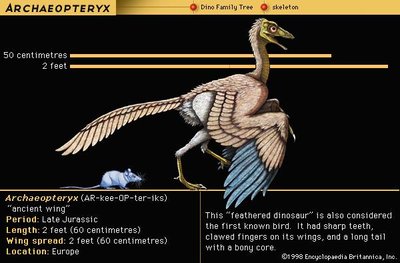
Archaeopteryx: A feathered reptile considered the transitional link between reptiles and birds. It shares many skeletal specializations with modern birds, including forelimb and pelvic adaptations.
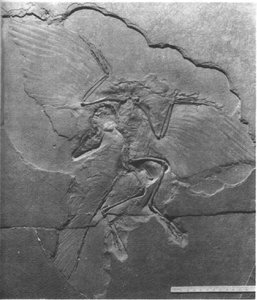
Feather Evolution
Feathers likely evolved from reptilian scales, with structural changes conferring advantages such as insulation, display, and eventually flight. The feather structure of Archaeopteryx is similar to that of modern birds, supporting the hypothesis that it could fly.
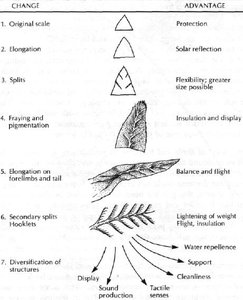
Evolution of Flight
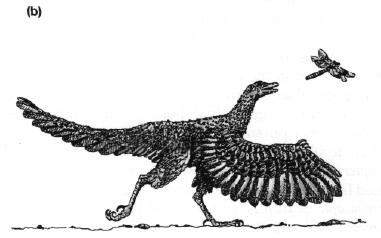
Flight evolved independently in three major vertebrate groups: birds, bats, and pterosaurs. Two main hypotheses explain the origin of flight in birds:
"From the trees down" (Arboreal theory): Early flight involved gliding or parachuting from elevated perches, as seen in modern Draco lizards. Elongated forelimbs and feathers enabled weak to powered flight.
"From the ground up" (Cursorial theory): Forelimbs elongated to improve jumping and speed, with weak flapping coinciding with jumps eventually leading to flight.
Feather Types, Structure, and Function
General Structure of Feathers
Feathers are complex structures composed of several parts:
Calamus (quill): The hollow base that anchors the feather into the skin follicle.
Rachis: The central shaft supporting the vanes.
Vane: The flat part of the feather, made up of barbs, which are further divided into barbules and barbicels that interlock to "zip" the feather together.
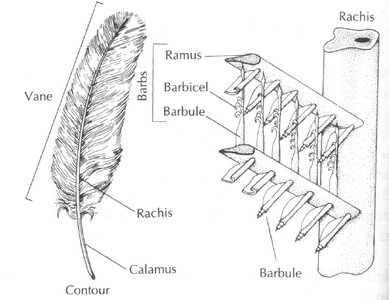
Major Feather Types
Contour (body) feathers: Form the outer covering, providing shape and aiding in flight. They have a well-developed rachis and interlocking barbs.
Down feathers: Lack a prominent rachis, have long, flexible barbs, and provide insulation.
Semiplume feathers: Intermediate between down and contour feathers, with a defined rachis and plumulaceous vanes, serving insulation and courtship functions.
Filoplume feathers: Hair-like, with a slender rachis and a tuft of barbs at the tip, primarily sensory in function.
Bristle feathers: Stiff, bristle-like feathers, often found on the head, aiding in feeding and protection.
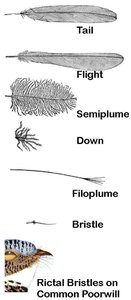
Feather Placement and Maintenance
Feathers grow in specific tracts called pterylae, separated by bare areas known as apteria.
Birds maintain feathers through preening, using their bill, feet, and the uropygial (preen) gland, which secretes waxy substances for cleaning and protection.
Feathers are periodically replaced in a process called molt, resulting in different plumages (e.g., basic and alternate plumage in ducks).
Anatomical Adaptations for Flight
Skeletal Adaptations
Pneumatic bones: Hollow and strutted for reduced weight.
Fusions and reinforcements: Structures like the pygostyle (fused caudal vertebrae), furcula (fused clavicles), and uncinate processes (rib projections) provide strength and support.
Keeled sternum: Provides attachment for powerful flight muscles.
Pectoral girdle: Composed of the coracoid, scapula, and furcula, supporting wing movement.
Flight Musculature
Supracoracoideus: Raises the wing via a pulley system through the triosseal canal.
Pectoralis: Lowers the wing, providing the main power for the downstroke.
Respiratory System
Birds have a highly efficient respiratory system involving:
Nostrils (nares), trachea, lungs, and multiple air sacs (usually 9).
Unidirectional airflow through the lungs, requiring two cycles and four steps for a single breath to pass through the system.
Lack of a diaphragm; birds lower the sternum to enlarge the chest cavity and ventilate air sacs.
Specialized Structures: Bills and Vocalization
Bills
The form of a bird's bill is closely related to its feeding habits and ecological niche. Examples include the filtering lamellae of dabbling ducks and the specialized bills and tongues of woodpeckers.
Vocalizing Apparatus
Syrinx: The primary sound-producing organ, located at the junction of the trachea and bronchi. It includes the interclavicular air sac, syringeal muscles, and internal tympaniform membrane.
Birds produce both simple calls (short, simple, used by either gender for contact, warning, or feeding) and complex songs (longer, more complex, typically by males for territory defense and mate attraction).
Summary Table: Major Feather Types and Functions
Feather Type | Structure | Primary Function |
|---|---|---|
Contour | Well-developed rachis, interlocking barbs | Flight, shape, some insulation |
Down | Long, flexible barbs, usually lack rachis | Insulation |
Semiplume | Defined rachis, plumulaceous vanes | Insulation, reduce drag, courtship |
Filoplume | Slender rachis, tuft of barbs at tip | Sensory, monitor feather position |
Bristle | Stiff rachis, few basal barbs | Feeding, protection, sensation |
Key Definitions
Pneumatic bones: Hollow bones filled with air spaces, reducing weight for flight.
Pterylae: Feather tracts where feathers grow.
Apteria: Bare areas between feather tracts.
Molt: The process of feather replacement.
Plumage: The appearance or set of feathers on a bird.
Syrinx: The vocal organ of birds.
