 Back
The Origin, Structure, and Ecological Roles of Angiosperms
Study Guide - Smart Notes
 Tailored notes based on your materials, expanded with key definitions, examples, and context.
The Origin and Diversification of Angiosperms
Introduction to Angiosperms
Angiosperms, or flowering plants, are the most widespread and diverse group of seed plants. Their reproductive structures—flowers and fruits—are key adaptations that have contributed to their evolutionary success.
Flowers are specialized shoots for sexual reproduction.
Fruits develop from fertilized flowers and aid in seed dispersal.
Angiosperms dominate most terrestrial ecosystems due to their diversity and adaptability.
Flowers and Fruits
Structure and Function of Flowers
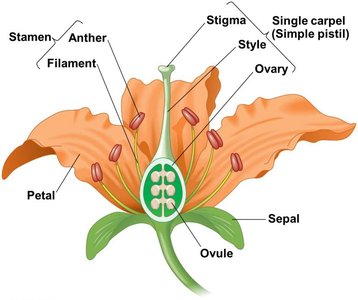
Flowers are composed of up to four types of modified leaves, known as floral organs, each with a specific function in reproduction.
Sepals: Enclose and protect the flower before it opens.
Petals: Often brightly colored to attract pollinators.
Stamens: Male organs that produce pollen; each consists of a filament and an anther.
Carpels: Female organs that produce ovules; each consists of an ovary, style, and stigma.
The term pistil refers to a single carpel or two or more fused carpels.
Development of Fruits and Seeds
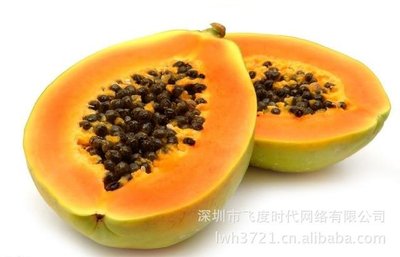
After fertilization, the ovules develop into seeds, and the ovary matures into a fruit. Fruits protect seeds and facilitate their dispersal by various mechanisms.
Seeds originate from fertilized ovules.
The ovary wall thickens to form the fruit.
Fruits can be fleshy (e.g., apples, berries) or dry (e.g., nuts, grains).
Fruit and Seed Dispersal Mechanisms
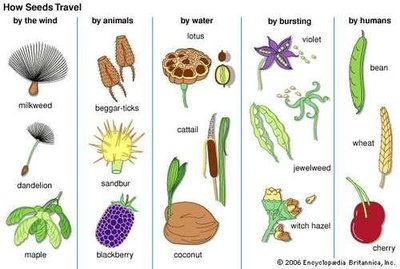
Fruits have evolved diverse adaptations to aid in seed dispersal by wind, water, or animals.
Some fruits act as parachutes or propellers for wind dispersal.
Others form burrs that cling to animal fur or human clothing.
Many fruits are edible, encouraging animals to eat them and disperse seeds via defecation.
Angiosperm Evolution
Fossil Evidence and Phylogeny
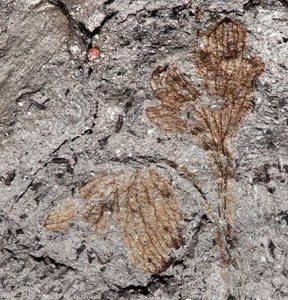
The evolutionary history of angiosperms is complex and not fully understood. Fossil records indicate that angiosperms originated at least 140 million years ago and became dominant by the end of the Cretaceous period.
Darwin referred to the origin of angiosperms as an "abominable mystery."
Phylogenetic analyses suggest angiosperms diverged from gymnosperms about 305 million years ago.
Some extinct seed plants, such as Bennettitales, had flowerlike structures and may have been insect-pollinated.
Major Angiosperm Clades
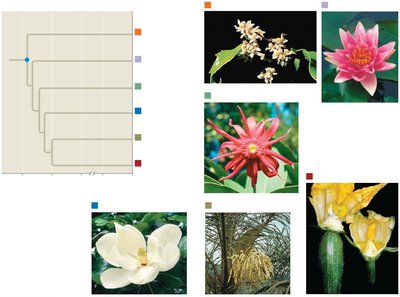
Modern angiosperms are classified into several major clades, including Amborella, water lilies, star anise and relatives, magnoliids, monocots, and eudicots.
Amborella is considered the most basal living angiosperm.
Monocots and eudicots are the two largest clades, distinguished by differences in seed leaves (cotyledons), leaf venation, and floral parts.
Plants, Fungi, and Ecosystem Processes
Colonization of Land and Chemical Cycling
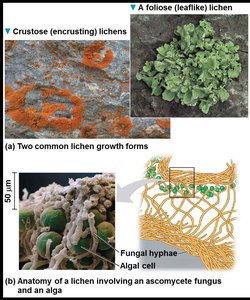
The colonization of land by plants and fungi fundamentally changed Earth's chemical cycles and biotic interactions. Lichens, symbiotic associations between fungi and photosynthetic organisms, were important pioneers on new rock and soil surfaces.
Lichens break down rock, contribute to soil formation, and facilitate plant colonization.
Plants stabilize soil with their roots and enrich it with decaying organic matter.
Photosynthesizing plants have released much of the oxygen in Earth's atmosphere.
Plants and Chemical Cycling in Ecosystems
Plants and fungi play crucial roles in the cycling of nutrients and energy in ecosystems.
Plants absorb nutrients from the soil, which are then transferred to animals through food webs.
Decomposers, including fungi and bacteria, break down dead organisms and recycle nutrients back into the environment.
Photosynthesis by plants removes CO2 from the atmosphere, influencing global climate.
Biotic Interactions: Mutualisms and Pathogens
Mutualistic and Parasitic Fungi
Fungi interact with plants in both mutualistic and parasitic relationships.
Mutualistic fungi (e.g., mycorrhizae, endophytes) enhance nutrient uptake for plants and may provide protection against herbivores and pathogens.
Parasitic fungi absorb nutrients from host plants without providing benefits, often causing disease (e.g., chestnut blight caused by Cryphonectria parasitica).
Plant-Animal Interactions and Evolution
Coevolution of Plants and Animals
Plants and animals have influenced each other's evolution through interactions such as herbivory and pollination.
Herbivory by animals selects for plant defenses (e.g., toxins, thorns).
Pollinator-plant interactions drive the evolution of floral traits and pollinator behaviors.
Angiosperm clades with bilaterally symmetrical flowers tend to have more species, likely due to specialized pollinator interactions and reduced gene flow between populations.
Human Impact and Conservation
Human activities, such as deforestation and habitat destruction, threaten angiosperms and the biodiversity they support.
Large-scale clearing of tropical rainforests leads to the extinction of plant, insect, and animal species.
If current extinction rates persist, more than half of Earth's species could be lost within the next few centuries.
Summary Table: Key Features of Angiosperms
Feature | Description | Example |
|---|---|---|
Flower | Reproductive organ with sepals, petals, stamens, and carpels | Lily, rose |
Fruit | Mature ovary containing seeds | Apple, papaya |
Seed Dispersal | By wind, water, animals, or mechanical means | Dandelion (wind), coconut (water), burrs (animals) |
Mutualism | Symbiotic relationship with fungi (mycorrhizae, lichens) | Lichen on rocks |
Pollination | Transfer of pollen by wind or animals | Bee-pollinated flowers |
Additional info: This guide integrates foundational concepts from plant anatomy, ecology, and evolution, providing a comprehensive overview suitable for college-level biology students.
