 Back
The Rise of Animal Diversity: Early Animal Evolution and Major Animal Groups
Study Guide - Smart Notes
 Tailored notes based on your materials, expanded with key definitions, examples, and context.
The Rise of Animal Diversity
Early Animal Evolution and Phylogenetic Relationships
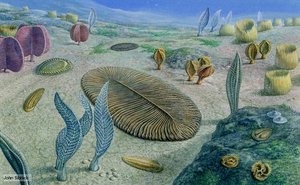
Animal evolution is marked by several key events, including the emergence of multicellularity, the development of true tissues, and the diversification of body plans. The earliest animals appeared over 700 million years ago, with significant diversification during the Ediacaran and Cambrian periods.
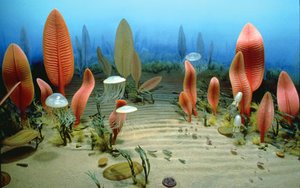
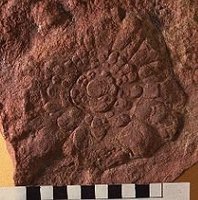
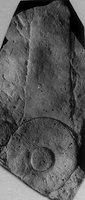
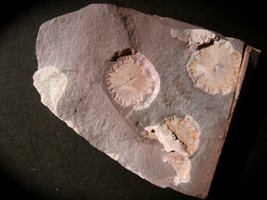
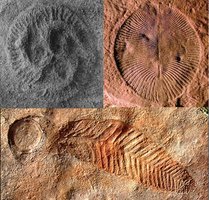
Ediacaran fauna: Soft-bodied, mostly sessile organisms that lived approximately 565–550 million years ago. Many do not resemble any living animals.
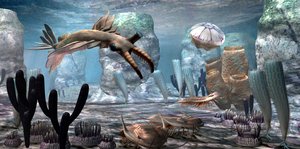
Cambrian explosion: A rapid diversification of animal life around 530 million years ago, resulting in the appearance of most major animal phyla, including arthropods, chordates, and echinoderms.
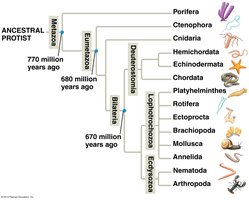
Phylogenetic relationships: Animals are monophyletic, sharing a common ancestor. Major groups include sponges (Porifera), comb jellies (Ctenophora), and cnidarians, with bilaterians (animals with bilateral symmetry) arising later.
Major Characteristics of Animals
Animals are defined by several key traits that distinguish them from other eukaryotes.
Heterotrophy: Animals ingest and digest food internally.
Multicellularity: Composed of multiple cells lacking cell walls; structural support is provided by proteins such as collagen.
Specialized cells: Presence of nerve and muscle cells (except in sponges).
Reproduction: Most animals reproduce sexually, with a dominant diploid stage. Meiosis produces haploid gametes (sperm and egg), which fuse to form a diploid zygote.
History of Animal Evolution
Major Evolutionary Events
Divergence from fungi: Ancestors of fungi and animals diverged about 1,000 million years ago.
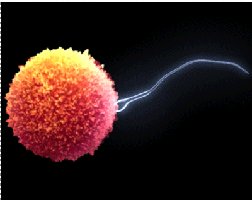
Choanoflagellates: The closest living relatives of animals; unicellular or colonial protists with a flagellum surrounded by a collar of microvilli.
Fossil evidence: Steroids produced by sponges (~700 Mya) and macroscopic fossils (~560 Mya) provide clues to early animal evolution.
The Cambrian Explosion
The Cambrian explosion (~530 Mya) marks a period of rapid evolutionary innovation, with the appearance of most major animal body plans. Fossils from the Burgess Shale in Canada provide evidence of this diversity, including early arthropods, chordates, and other groups.
Predator-prey interactions: Led to the evolution of hard, mineralized structures for defense and predation.
Increasing oxygen levels: Supported higher metabolic rates and larger body sizes.
Hox genes: Developmental genes that control body plan organization in bilaterians.
Animal Phylogeny and Major Groups
Overview of Animal Phylogeny
Animals are classified based on the presence of true tissues, symmetry, and developmental patterns. The major groups include:
Porifera (sponges): Basal animals lacking true tissues.
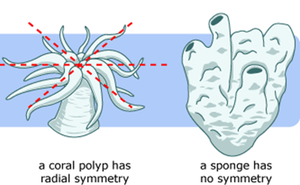
Ctenophora (comb jellies): Diploblastic, radially symmetrical animals with true tissues.
Cnidaria: Diploblastic, radially symmetrical animals including corals, jellies, and hydras.
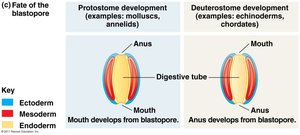
Bilateria: Triploblastic animals with bilateral symmetry, including most animal phyla.
Porifera (Sponges)
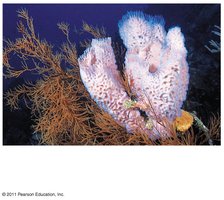
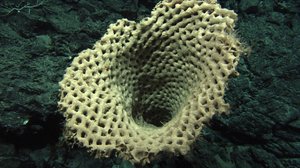
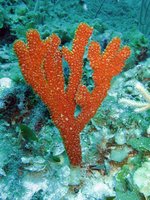
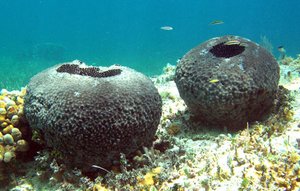
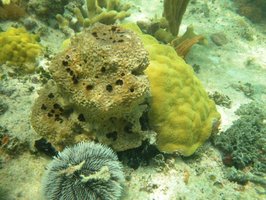
Sponges are simple, basal animals that lack true tissues but possess specialized cell types. They are mostly marine, sedentary, and function as suspension (filter) feeders.
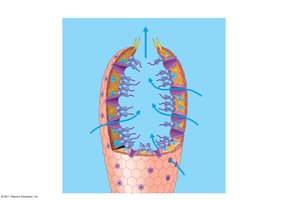
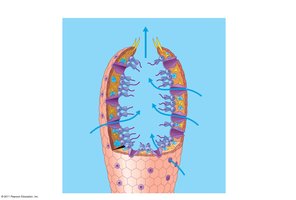
Structure: Body consists of an outer epidermis, pores, a central cavity (spongocoel), and an osculum for water exit.
Cell types: Choanocytes (collar cells) generate water flow and capture food; amoebocytes transport nutrients and produce structural fibers.
Regeneration: Sponges can regenerate lost parts or even re-form from dissociated cells, provided amoebocytes are present.

Porifera Anatomy and Specialized Cells
Choanocytes: Flagellated cells that create water currents and trap food particles via phagocytosis.
Amoebocytes: Mobile cells that distribute nutrients, produce skeletal fibers (spicules), and can differentiate into other cell types.
Regeneration in Sponges
Regenerative ability: Sponges can regenerate from fragments or even from a collection of cells, as long as amoebocytes are present.

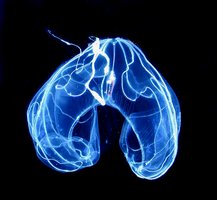
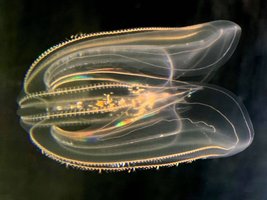
Ctenophora (Comb Jellies)
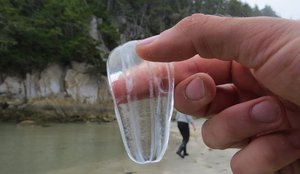
Ctenophores are diploblastic, radially symmetrical animals with true tissues. They are mostly planktonic predators, moving by beating rows of cilia called "combs."
Germ layers: Ectoderm and endoderm.
Size: Range from a few millimeters to 1.5 meters.
Movement: Use ciliary plates for locomotion.
Cnidaria
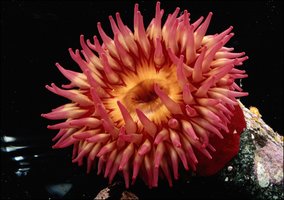
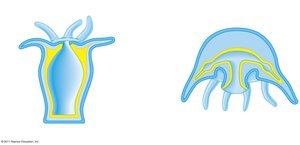
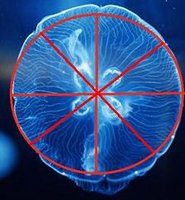
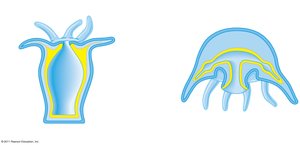
Cnidarians include corals, jellies, and hydras. They are diploblastic, radially symmetrical animals with two main body forms: polyp and medusa.
Germ layers: Ectoderm and endoderm.
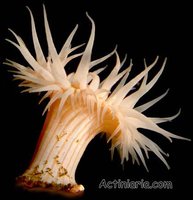
Body forms: Sessile polyps (e.g., sea anemones) and motile medusae (e.g., jellies).
Gastrovascular cavity: A central digestive compartment with a single opening serving as both mouth and anus.
Cnidarian Morphology and Nutrition
Polyp: Cylindrical, adheres to substrate by aboral end; examples include hydras and sea anemones.
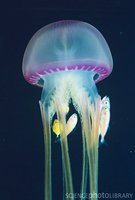
Medusa: Bell-shaped, moves freely by drifting and contracting; typical of jellies.
Nutrition: Carnivorous, capturing prey with tentacles and digesting in the gastrovascular cavity. Undigested material is expelled through the mouth/anus.
Increase in Bilaterian Diversity and Decline of Ediacaran Fauna
The Cambrian period saw a dramatic increase in bilaterian diversity and a decline in Ediacaran organisms. Several factors contributed to this shift:
Predator-prey specialization: Evolution of new adaptations such as mineralized skeletons and defensive structures.
Environmental changes: Increased calcium and oxygen levels supported more active and larger animals.
Genetic innovations: The evolution of Hox genes enabled the development of new body plans and greater morphological diversity.
Additional info: The study of early animal evolution provides insight into the origins of complex multicellular life and the evolutionary processes that shaped modern animal diversity. Understanding the relationships among major animal groups helps clarify the evolutionary history and adaptations that define the animal kingdom.
