 Back
The Rise of Animal Diversity: Evolutionary History, Body Plans, and Major Animal Groups
Study Guide - Smart Notes
 Tailored notes based on your materials, expanded with key definitions, examples, and context.
The Rise of Animal Diversity
Evolutionary History of Animals
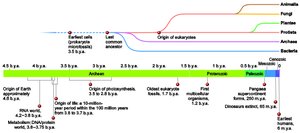
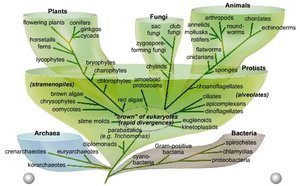
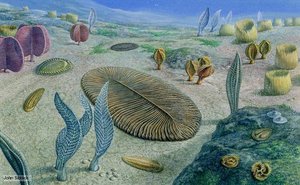
The evolutionary history of animals spans over 700 million years, beginning with the earliest multicellular organisms and culminating in the vast diversity seen today. Key events include the emergence of the Ediacaran biota, the Cambrian explosion, and the subsequent radiation of both aquatic and terrestrial animals.
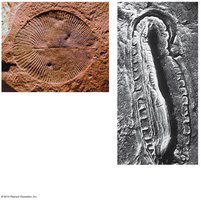
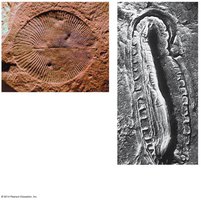
Ediacaran Period: Earliest known animal fossils, such as Dickinsonia and Kimberella, date back to about 560 million years ago.
Cambrian Explosion: Occurred 535–525 million years ago, marking the rapid diversification of animal body plans and the appearance of most major animal groups.
Major Diversifications: Animals radiated first in aquatic environments, then later on land, with groups such as arthropods and vertebrates colonizing terrestrial habitats.
Major Characteristics Defining Animal Groups
Animals are classified based on key characteristics such as body plan, symmetry, presence of tissues, and type of body cavity. These features are fundamental to understanding animal diversity and evolutionary relationships.
Body Plan: Refers to the overall structure and organization of an animal's body, including symmetry, tissue layers, and body cavities.
Symmetry: Animals may exhibit radial symmetry (e.g., cnidarians) or bilateral symmetry (e.g., most advanced groups).
Tissues: True tissues are a derived trait in eumetazoans, while early-diverging groups like sponges lack true tissues.
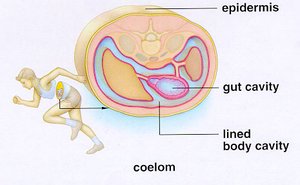
Body Cavities: Most bilaterians possess a coelom, a fluid-filled body cavity that cushions organs and allows for organ movement.
Early-Diverging Animal Groups
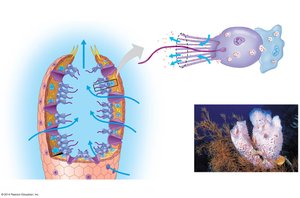
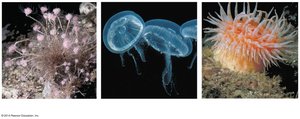
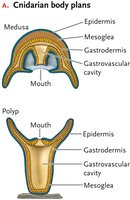
Sponges and cnidarians represent early-diverging animal groups. Sponges lack true tissues and are asymmetrical, while cnidarians possess true tissues and exhibit radial symmetry.
Sponges: Specialized cells but no tissues; filter feeders using choanocytes.
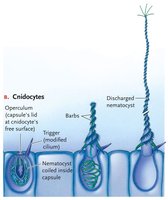
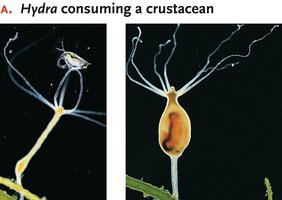
Cnidarians: Have a gastrovascular cavity, radial symmetry, and specialized stinging cells called cnidocytes.
The Cambrian Explosion and Bilaterian Radiation
The Cambrian explosion marks the earliest fossil appearance of many major animal groups, especially bilaterians, which have a complete digestive tract and bilateral symmetry. This period saw the development of hard, mineralized skeletons and complex body plans.
Adaptive Radiation: Driven by new predator-prey relationships, increased atmospheric oxygen, and the evolution of Hox genes.
Bilaterians: Include most advanced animal groups, characterized by bilateral symmetry and three germ layers.
Animal Body Plans: Symmetry, Tissues, and Body Cavities
Zoologists categorize animals by their body plans, which include symmetry, tissue organization, and the presence of body cavities.
Radial Symmetry: Seen in sessile or planktonic animals like cnidarians.
Bilateral Symmetry: Associated with active movement and centralized nervous systems.
Tissues: Derived from three germ layers: ectoderm, mesoderm, and endoderm.
Coelom: Functions as a hydrostatic skeleton and allows for organ movement.
Major Animal Phyla and Their Classification
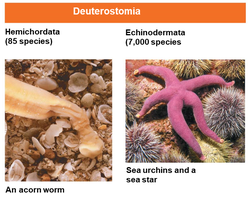
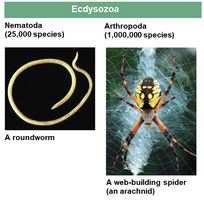
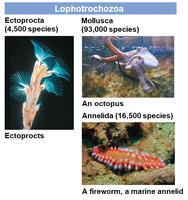
Animals are classified into about three dozen phyla, with most being invertebrates. The three major clades of bilaterians are Lophotrochozoa, Ecdysozoa, and Deuterostomia.
Clade | Example Phyla | Representative Species |
|---|---|---|
Lophotrochozoa | Mollusca, Annelida, Ectoprocta | Octopus, fireworm, ectoprocts |
Ecdysozoa | Arthropoda, Nematoda | Spider, roundworm |
Deuterostomia | Chordata, Echinodermata, Hemichordata | Sea star, acorn worm, vertebrates |
Arthropods: The Most Successful Animals
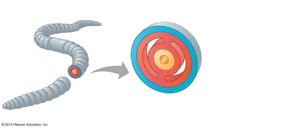
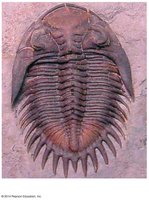
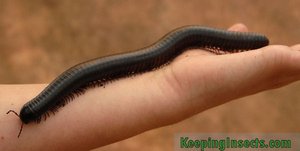
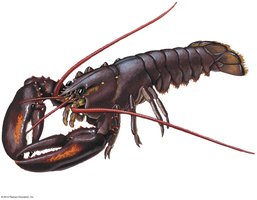
Arthropods are the most diverse and successful animal group, characterized by a segmented body, hard exoskeleton, and jointed appendages. They were the first animals to colonize land.
Exoskeleton: Made of chitin, provides structural support and protection.
Specialized Appendages: Adapted for walking, feeding, sensory reception, defense, and reproduction.
Terrestrial Adaptations: Include specialized structures for gas exchange, such as spiracles and tracheal tubes.
Insects: The Most Diverse Animal Group
Insects are the most diverse group of animals, having diversified multiple times due to the evolution of flight, adaptation to feed on gymnosperms, and expansion of angiosperms.
Key Adaptations: Flight, specialized mouthparts, metamorphosis.
Ecological Impact: Insects play crucial roles in pollination, decomposition, and as part of food webs.
The Rise of Vertebrates
Vertebrates are a subgroup of chordates, characterized by a backbone and a well-defined head. Early vertebrates were jawless, but jawed vertebrates (gnathostomes) now dominate.
Chordate Features: Notochord, dorsal hollow nerve cord, pharyngeal slits, post-anal tail.
Major Groups: Jawless fishes, cartilaginous fishes, ray-finned fishes, lobe-finned fishes, tetrapods.
Colonization of Land by Vertebrates
The transition from aquatic to terrestrial life was marked by the evolution of limbs and lungs. Tiktaalik is a key transition fossil showing both fish and tetrapod characteristics.
Tetrapods: First appeared about 365 million years ago, leading to amphibians, reptiles, birds, and mammals.
Amniotes: Terrestrial Adaptations
Amniotes include reptiles, birds, and mammals, all of which possess an amniotic egg with membranes that protect the embryo. These adaptations facilitated life on land.
Reptiles: Scales, shelled eggs, ectothermy.
Birds: Endothermy, feathers, flight.
Mammals: Hair, mammary glands, high metabolic rate, differentiated teeth.
Human Evolution
Humans are primates, distinguished by upright posture, bipedal locomotion, large brains, and complex behaviors. Human evolution is nested within the broader context of primate and ape evolution.
Key Traits: Language, symbolic thought, artistic expression, tool use.
Summary Table: Major Animal Groups and Characteristics
Group | Key Characteristics | Examples |
|---|---|---|
Sponges | No true tissues, filter feeders | Azure vase sponge |
Cnidarians | Radial symmetry, stinging cells | Jellyfish, sea anemones |
Bilaterians | Bilateral symmetry, three germ layers | Flatworms, arthropods, vertebrates |
Arthropods | Segmented body, exoskeleton, jointed appendages | Insects, spiders, crustaceans |
Chordates | Notochord, dorsal nerve cord | Fish, amphibians, reptiles, mammals |
Key Equations and Concepts
Coelom Function: Hydrostatic skeleton allows movement and organ protection.
Hox Genes: Regulate body plan development and diversification.
Additional info: The notes expand on brief points from the lecture slides, providing definitions, examples, and context for each major topic. Images included are directly relevant to the explanation of each paragraph, reinforcing key concepts in animal evolution and diversity.
