 Back
The Role of Biology in Psychology: Nervous System, Brain Structure, and Nature vs. Nurture
Study Guide - Smart Notes
 Tailored notes based on your materials, expanded with key definitions, examples, and context.
The Biological Basis of Behavior
Neurons: The Basic Unit of the Nervous System
Neurons are specialized cells that form the foundation of the nervous system. They are responsible for receiving, integrating, and transmitting information throughout the body. Neurons do not communicate randomly; instead, they form organized networks that allow for efficient information processing.
Structure: Neurons consist of dendrites, a cell body, and an axon, each playing a role in communication.
Electrical Properties: Neurons transmit signals via electrical impulses known as action potentials.
Chemical Properties: Communication between neurons occurs at synapses through neurotransmitters.
Networks: Neurons form complex circuits, enabling coordinated responses and behaviors.
Organization of the Nervous System
Main Divisions of the Brain
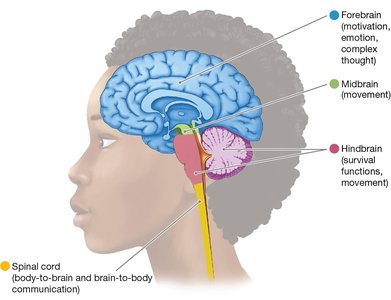
The brain is divided into three main regions, each with distinct functions:
Forebrain: Responsible for motivation, emotion, and complex thought.
Midbrain: Controls movement.
Hindbrain: Governs survival functions and movement.
Forebrain Subcortical Structures
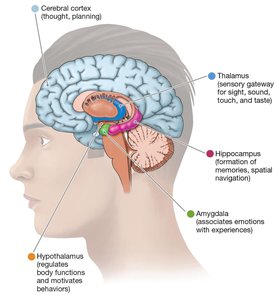
Several subcortical structures in the forebrain regulate motivation, emotion, and memory:
Thalamus: Acts as a sensory gateway, organizing incoming information.
Hypothalamus: Regulates hunger, temperature, and motivational behaviors.
Hippocampus: Essential for memory formation and spatial navigation.
Amygdala: Detects threats and is associated with emotional responses.
The Cerebral Cortex
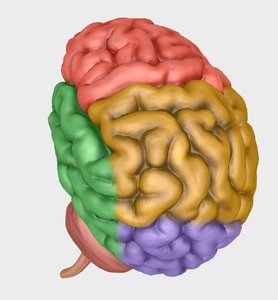
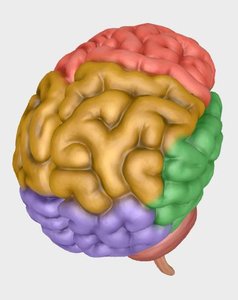
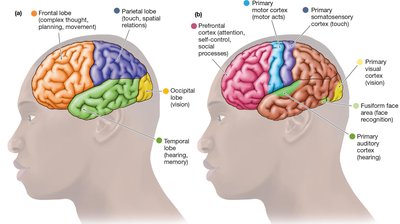
The cerebral cortex is the outer layer of the forebrain and is involved in complex mental activities such as thought, planning, and perception. It is divided into four lobes in each hemisphere:
Frontal Lobe: Responsible for complex thought, planning, and movement.
Parietal Lobe: Processes touch and spatial relations.
Temporal Lobe: Involved in hearing and memory.
Occipital Lobe: Processes visual information.
Primary Somatosensory and Motor Cortex
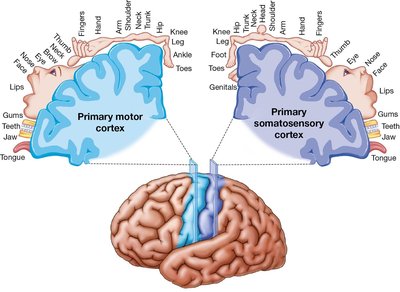
The primary motor cortex controls voluntary movements, while the primary somatosensory cortex processes sensory information from the body. These regions are organized according to the body parts they control or receive input from.
Prefrontal Cortex
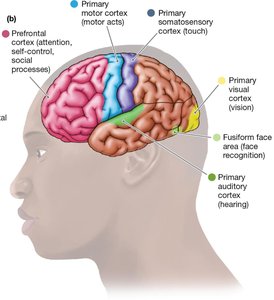
The prefrontal cortex occupies about 30% of the human brain and is crucial for attention, self-control, and social processes. It is involved in higher-order thinking and decision-making.
Hemispheric Specialization
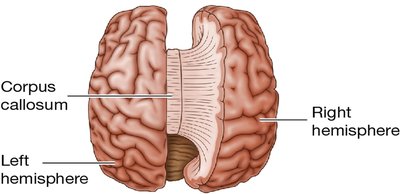
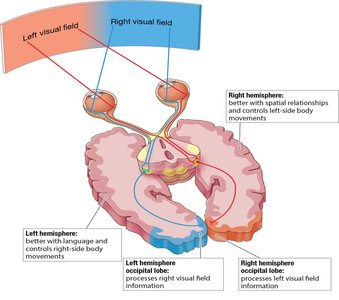
The brain is divided into left and right hemispheres, which work together but have specialized functions:
Left Hemisphere: Handles logical thought, language, and controls the right side of the body.
Right Hemisphere: Responsible for spatial relationships and controls the left side of the body.
The Peripheral Nervous System
Structure and Function
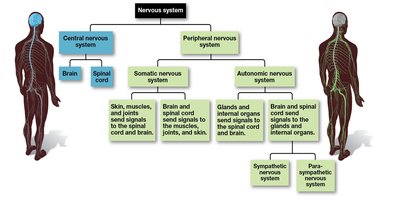
The peripheral nervous system (PNS) connects the central nervous system (CNS) to the rest of the body. It is divided into two main branches:
Somatic Nervous System: Controls voluntary movements and carries sensory information to the CNS.
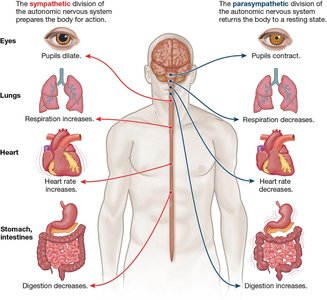
Autonomic Nervous System: Regulates involuntary functions such as heart rate, digestion, and sweating. It is further divided into the sympathetic and parasympathetic systems.
Hormones and the Endocrine System
Hormonal Regulation of Behavior
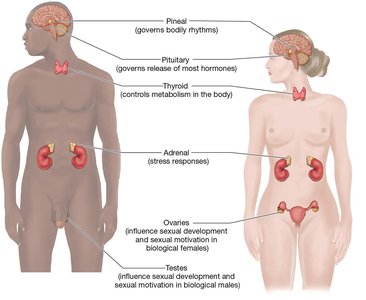
The endocrine system is a communication network that uses hormones to influence thoughts and actions. Hormones are chemical substances released from endocrine glands and travel through the bloodstream to target tissues.
Pituitary Gland: Governs release of most hormones.
Thyroid: Controls metabolism.
Adrenal Glands: Manage stress responses.
Ovaries/Testes: Influence sexual development and motivation.
Nature and Nurture: Genetic and Environmental Influences
Genetic Research and Epigenetics
Nature refers to genetic inheritance, while nurture encompasses environmental influences such as learning, social circles, and culture. Epigenetics studies how environmental factors affect gene expression.
Natural Selection: Individuals with adaptive traits are more likely to survive and reproduce.
Genes: Inherited at conception and influence predispositions.
Epigenetics: Environmental factors can modify gene expression without changing DNA sequence.
Example: A person may have a genetic predisposition to alcoholism (nature), but growing up in a nondrinking household (nurture) can prevent expression of this trait.
Brain Plasticity
The brain is capable of change throughout life, a property known as plasticity. Both biological and environmental factors contribute to this adaptability.
Growing New Neurons: Neurogenesis occurs in certain brain regions.
Changing Neural Connections: Synaptic connections can strengthen or weaken based on experience.
Reorganizing: The brain can reorganize itself after injury or in response to learning.
Summary Table: Major Brain Structures and Functions
Structure | Main Function |
|---|---|
Thalamus | Sensory gateway, organizes information |
Hypothalamus | Regulates hunger, temperature, motivational behaviors |
Hippocampus | Memory formation, spatial navigation |
Amygdala | Detects threats, emotional responses |
Frontal Lobe | Complex thought, planning, movement |
Parietal Lobe | Touch, spatial relations |
Temporal Lobe | Hearing, memory |
Occipital Lobe | Vision |
Key Terms
Neuron: A nerve cell that transmits electrical and chemical signals.
Action Potential: The electrical impulse that travels along a neuron.
Neurotransmitter: Chemical messenger released at synapses.
Plasticity: The brain's ability to change and adapt.
Epigenetics: Study of environmental effects on gene expression.
Hormone: Chemical substance released by endocrine glands.
