 Back
The Structure and Function of Large Biological Molecules
Study Guide - Smart Notes
 Tailored notes based on your materials, expanded with key definitions, examples, and context.
Biomolecules: Structure and Function
Overview of Biological Macromolecules
Large biological molecules, or biomolecules, are essential for life and are primarily classified into four major groups: carbohydrates, lipids, proteins, and nucleic acids. Three of these classes—carbohydrates, proteins, and nucleic acids—are polymers built from monomer subunits, while lipids are not true polymers but are crucial for cellular structure and function.
Carbohydrates: Serve as fuel and building material.
Lipids: Diverse hydrophobic molecules, important for energy storage and membrane structure.
Proteins: Perform a wide range of functions due to their diverse structures.
Nucleic Acids: Store, transmit, and express hereditary information.
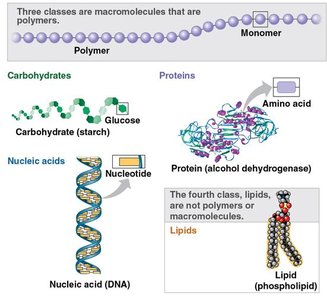
Macromolecules: Polymers and Monomers
Polymerization and Depolymerization
Polymers are long molecules composed of repeating units called monomers. The process of linking monomers to form polymers is called polymerization, while breaking polymers into monomers is depolymerization.
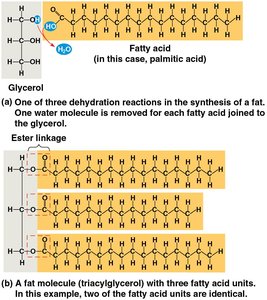
Polymerization: Monomers are joined by covalent bonds through a dehydration reaction (removal of water).
Depolymerization: Polymers are broken down by hydrolysis (addition of water).
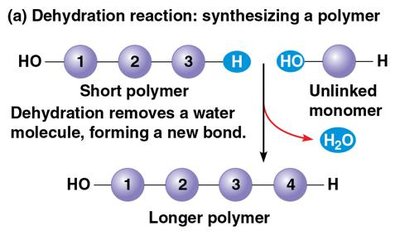
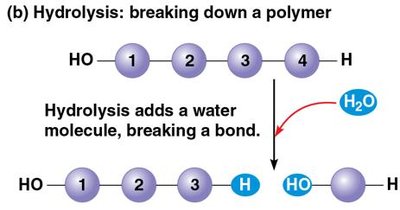
Examples of monomer-polymer relationships:
Monosaccharide + Monosaccharide → Carbohydrate (via glycosidic linkage)
Amino acid + Amino acid → Protein (via peptide bond)
Nucleotide + Nucleotide → Nucleic Acid (via phosphodiester bond)
Carbohydrates
Structure and Classification
Carbohydrates are composed of carbon, hydrogen, and oxygen (C, H, O) and serve as energy sources and structural materials. They are classified based on the number of sugar units:
Monosaccharides: Simple sugars (e.g., glucose, fructose)
Disaccharides: Two monosaccharides joined by a glycosidic linkage (e.g., sucrose, lactose)
Polysaccharides: Polymers of many monosaccharides (e.g., starch, glycogen, cellulose, chitin)
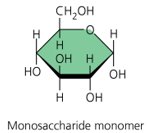
Monosaccharides
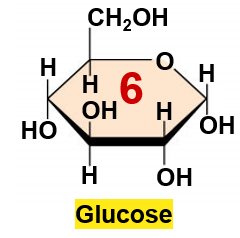
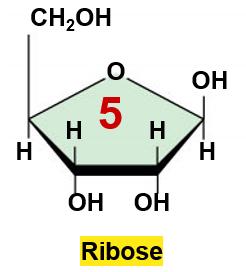
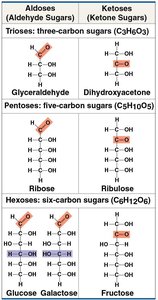
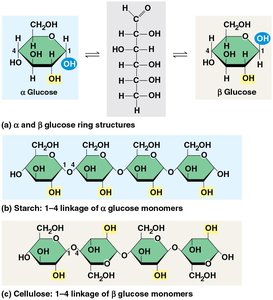
Monosaccharides have molecular formulas that are multiples of CH2O. Glucose (C6H12O6) is the most common monosaccharide. They can be classified by the number of carbons and the location of the carbonyl group (aldose or ketose).
Disaccharides
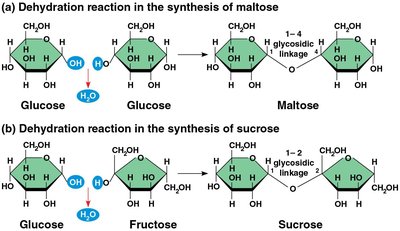
Disaccharides are formed by a dehydration reaction between two monosaccharides, creating a glycosidic bond. Common examples include maltose (glucose + glucose) and sucrose (glucose + fructose).
Polysaccharides
Polysaccharides serve storage and structural roles. Their properties depend on the types of monomers and the positions of glycosidic linkages.
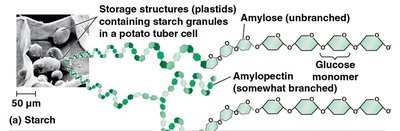
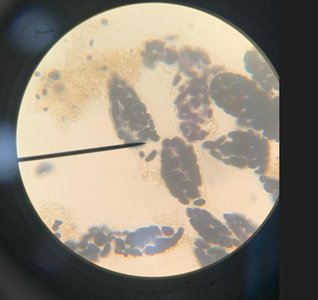
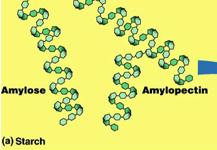
Starch: Storage polysaccharide in plants, composed of glucose monomers. Exists as amylose (unbranched) and amylopectin (branched).
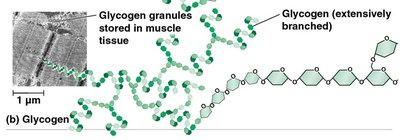
Glycogen: Storage polysaccharide in animals, highly branched, stored in liver and muscle cells.
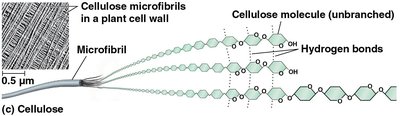
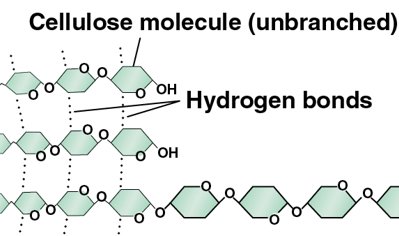
Cellulose: Structural polysaccharide in plant cell walls, composed of β-glucose monomers, forms straight, unbranched fibers.
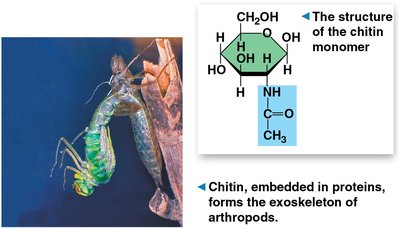
Chitin: Structural polysaccharide in arthropod exoskeletons and fungal cell walls, similar to cellulose but with nitrogen-containing groups.
Lipids
Structure and Types
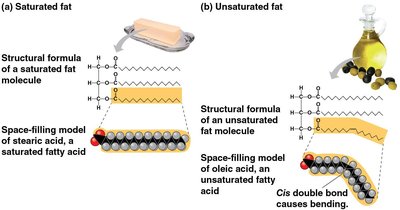
Lipids are hydrophobic molecules with diverse structures, not true polymers. They are important for energy storage, insulation, and membrane structure. Major types include fats, phospholipids, and steroids.
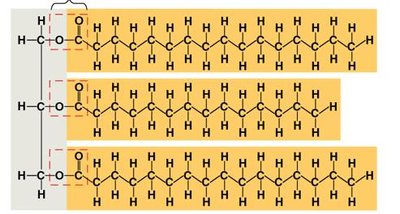
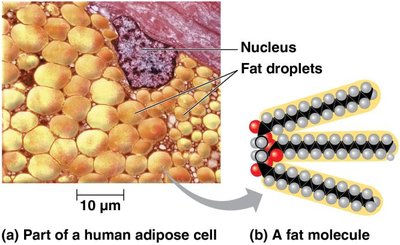
Fats (Triacylglycerols): Composed of glycerol and three fatty acids, joined by ester linkages. Serve as energy storage molecules.
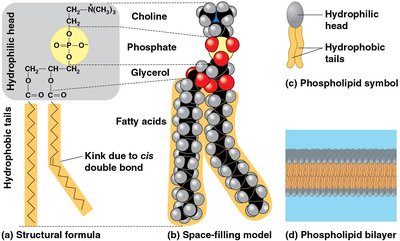
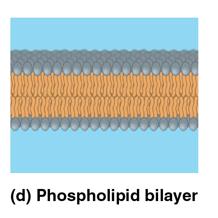
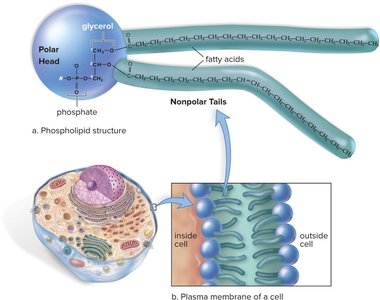
Phospholipids: Composed of glycerol, two fatty acids, and a phosphate group. Major component of cell membranes, forming bilayers.
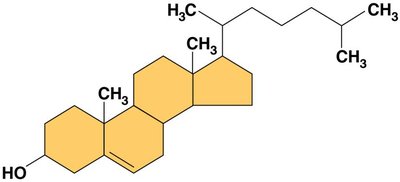
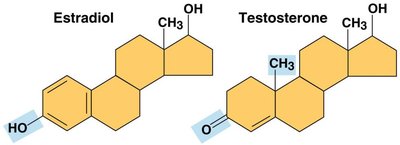
Steroids: Characterized by four fused carbon rings. Cholesterol is a key steroid in animal cell membranes and a precursor for other steroids.
Nucleic Acids
Structure and Function
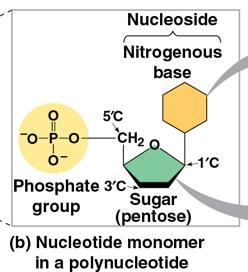
Nucleic acids store, transmit, and help express hereditary information. They are polymers of nucleotides, each consisting of a phosphate group, a pentose sugar, and a nitrogenous base. Two main types are DNA and RNA.
DNA (Deoxyribonucleic Acid): Double-stranded, contains deoxyribose sugar, bases are adenine (A), thymine (T), guanine (G), and cytosine (C).
RNA (Ribonucleic Acid): Single-stranded, contains ribose sugar, bases are adenine (A), uracil (U), guanine (G), and cytosine (C).
Feature | DNA | RNA |
|---|---|---|
Strands | Double | Single |
Sugar | Deoxyribose | Ribose |
Bases | A, T, G, C | A, U, G, C |
Function | Stores genetic info | Gene expression, protein synthesis |
Nucleotides are linked by phosphodiester bonds between the 5' phosphate and 3' hydroxyl groups, forming a sugar-phosphate backbone. DNA strands are antiparallel and held together by hydrogen bonds between complementary bases (A-T, C-G).
Central Dogma of Molecular Biology: Information flows from DNA to RNA (transcription) and from RNA to protein (translation).
*Additional info: The notes above include expanded academic context and definitions for clarity and completeness, as well as logical grouping of fragmented topics for a cohesive study guide.*
